
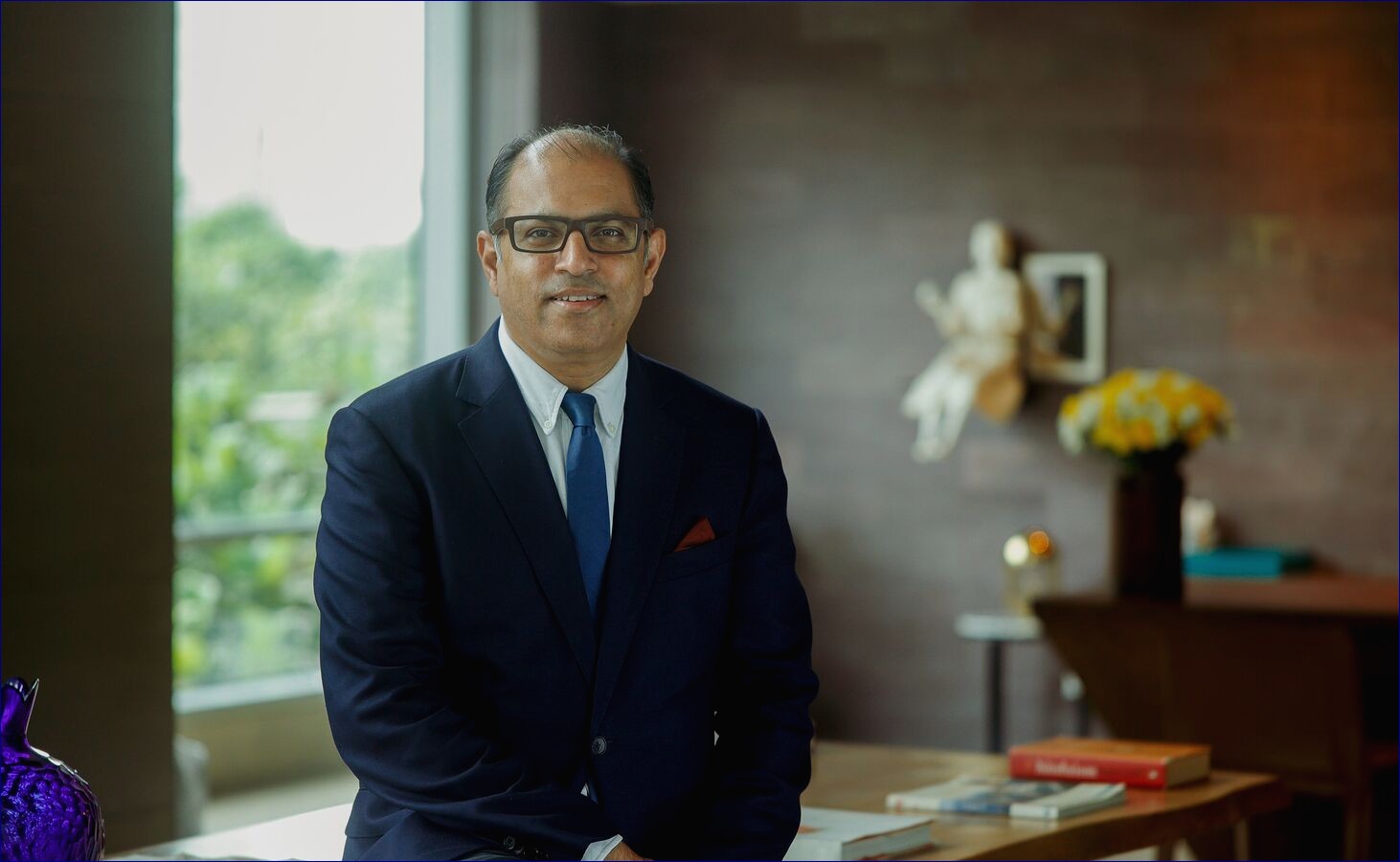
A leading hospitality group has ambitious plans to expand its presence in India. By 2025, the company intends to open seven new hotels, increasing its total to 50, with a target of reaching 100 hotels by 2030, according to Sunjae Sharma, the managing director for India and Southwest Asia. He expressed optimism about the future of the hotel industry in the region, highlighting significant growth potential.
The demand for new hotels in India is being met more quickly than anticipated, even without the influx of international travelers. Sharma noted, “International travel hasn’t fully recovered yet, and most travel in India is still driven by domestic tourism.” Although corporate travel hasn’t returned to pre-pandemic levels, the continued interest in domestic travel is driving hotel demand.
As India develops, smaller cities are also seeing growth. Sharma indicated that people in these areas are more willing to pay for hotel stays. The company is focusing on locations such as Igatpuri in Maharashtra, Indore in Madhya Pradesh, and Vithlapur and Bharuch in Gujarat.
The next round of new hotels will primarily feature the Andaz and JdV brands, with plans to introduce a new brand as well. Like other companies, Hyatt is shifting towards experience-oriented stays, as travelers in India are increasingly willing to spend on accommodations. New hotels are planned for Kasauli, Himachal Pradesh, and Hyatt has signed on for two substantial properties in Timber Trail, Pawanoo and Kandaghat.
### New Cultural Destinations
The group is also eyeing new leisure and cultural spots, with plans for hotels in places like Vrindavan, Kumbhalgarh, Katra, Jim Corbett National Park, and Pushkar. Additional properties will be launched in Kochi, Bhopal, Vithalapur, and Jaipur, catering to both business and leisure travelers as well as those seeking religious experiences.
Sharma emphasized the growing prospects in the Indian hotel sector, pointing out that the new hotel supply is likely to be absorbed quickly due to strong demand. Whenever new hotels open, they add more rooms to the market, which can fill up quickly if booked regularly.
The company is also expanding its reach with three hotels under construction in Goa and plans to open seven new properties in Nepal by 2025. In 2023, it introduced a five-star boutique hotel brand, Hyatt Centric, in Dehradun and made 21 new hotel deals across the region to strengthen its commitment to growth.
Key business hubs like GIFT City in Gujarat and Greater Noida are also on the company’s radar, alongside leisure spots like Vrindavan and Kumbhalgarh. By focusing on lifestyle-oriented offerings under brands such as Destination, Andaz, and JdV by Hyatt, the company aims to open seven new hotels this year, moving toward its goal of 100 hotels by 2030. Currently, it operates 52 hotels in Southwest Asia, including 50 in India.
### Lifestyle and Luxury Shift
The hospitality group is observing an upward trend in revenue from the food and beverage sector, which now accounts for approximately 50% of total income, marking an increase that started before the pandemic. The focus on high-quality, lifestyle, and experience-driven properties is also a priority. “We’re prioritizing lifestyle and luxury globally,” Sharma stated, with expectations for a double-digit growth in revenue per available room (RevPAR) this year.
The first quarter of the year has shown strong performance, outperforming the same period last year. The company is optimistic about the upcoming quarter, especially with more wedding dates anticipated in 2025, which could significantly boost hotel operations.
Hyatt holds a stake in India through Juniper Hotels, which made its stock market debut last year and runs several properties across the country. Both Hyatt Hotels and Juniper have received support from the Pritzker family, the original founders of the Hyatt brand. Juniper Hotels operates in major cities like Lucknow, Mumbai, Ahmedabad, Bareilly, and Delhi.
While specific figures for India weren’t disclosed, the company’s global results indicated that the recovery of international travel is assisting growth in the Asia Pacific region, excluding Greater China.
Prashant Biyani, vice president of institutional equity research at Elara Capital, noted that the growth of the hotel industry in India is largely driven by rising average room rates (ARR), with the first quarter of FY26 expected to see an 11-13% ARR increase in business locations. Occupancy rates are projected to stabilize at around 70% across the country.
With demand outpacing supply, Biyani remains optimistic about several hotel chains, including Samhi Hotels and Juniper, which have long-term agreements with Hyatt. Other companies like Indian Hotels are expecting a 10% ARR increase, while Chalet Hotels anticipates a 12% rise. This positive trend is expected to carry on, supported by business travel and significant events in the near future.
