
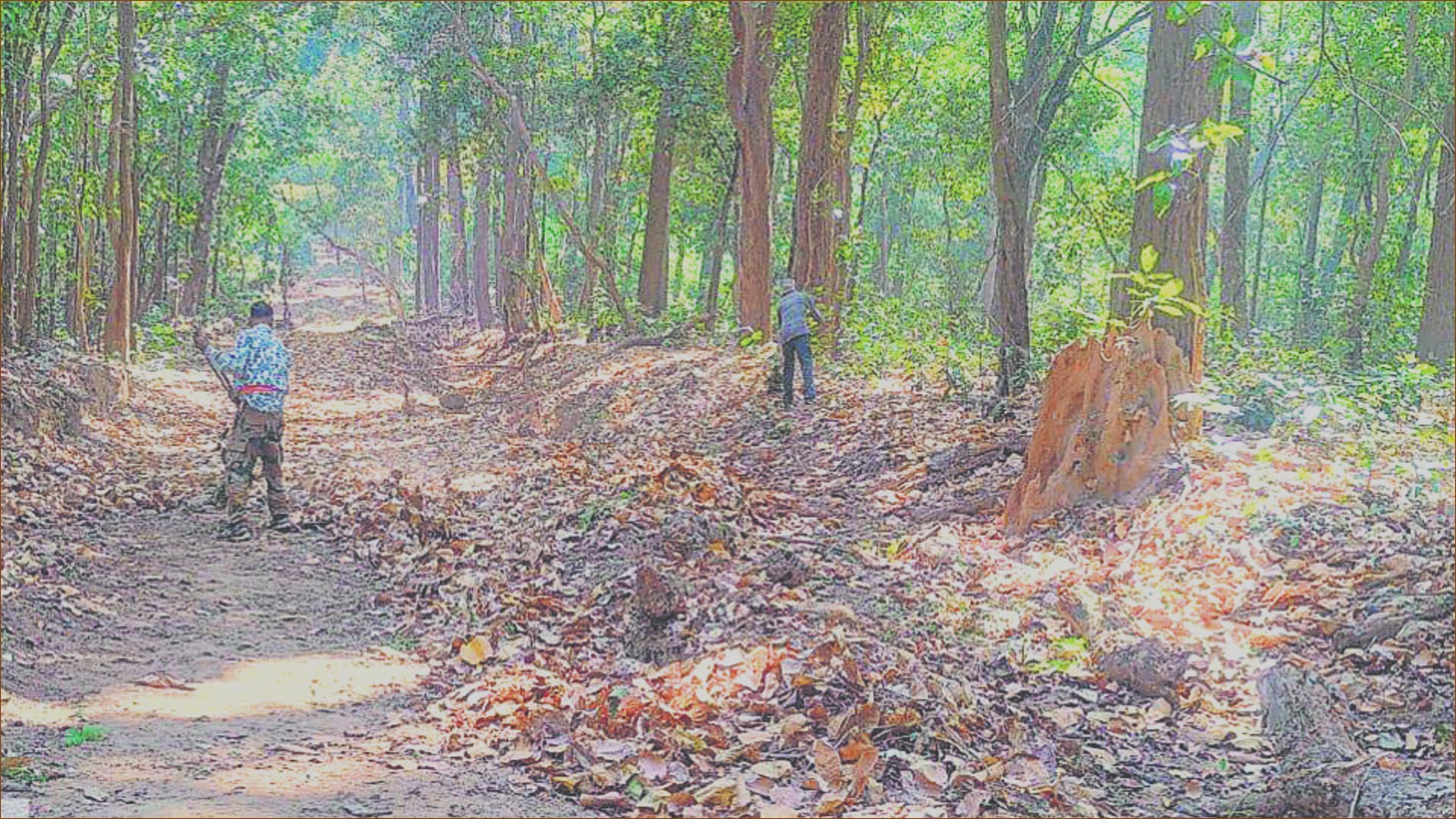
The forest department of Uttarakhand is stepping up its efforts to combat wildfires by revitalizing old firelines that date back to the British era. This move follows a green light from the Supreme Court, which had previously imposed restrictions on cutting down trees more than 1,000 meters above sea level.
The department has initiated work to clear around 400 kilometers of these critical firebreaks, which are essential in stopping the spread of wildfires. However, decades of inactivity with tree removal and vegetation management have allowed these lines to become overgrown, hindering their effectiveness in fire prevention.
According to expert sources, firelines are zones that are specifically cleared of plants and flammable materials to serve as barriers against fires. These strips were originally put in place during colonial times as part of forest care strategies. Dhananjai Mohan, the head of Uttarakhand’s forest force, stated, “These firelines are an essential part of our forest management and play a vital role in controlling fires.”
Mohan noted that because tree felling was banned in the 1980s above the 1,000-meter mark, regrowth of trees has made many firelines ineffective over time. Now, with permission from the Supreme Court, the state government is working to restore these vital fire prevention areas. However, it may take some time to finish this restoration, particularly ahead of the upcoming wildfire season.
Over the next two years, officials hope to bring these firelines back to operational status after years of neglect. Mohan explained that the restoration efforts include a comprehensive management plan which addresses the challenges posed by wildfires and might require some tree cutting to effectively revive the lines.
In addition to revamping firelines, the forest department has developed a multi-faceted strategy to reduce the damage caused by forest fires. This plan includes launching a mobile application aimed at speeding up the response to fire threats, gathering pine needles for biofuel, collaborating with the India Meteorological Department for real-time weather updates, and implementing a model for community-led fire prevention.
With the warmer months approaching, this proactive approach is critical for safeguarding both the forests and the communities that depend on them.
