
Gaza City: Displaced Palestinians Firmly Reject US Proposal on Territory
In a powerful response to recent comments made by former US President Donald Trump, Palestinians who have returned to the war-torn northern Gaza Strip expressed their determination to stay in their homeland. Speaking to AFP on Wednesday, many residents made it clear that they would never agree to relinquish their territory as suggested by Trump.
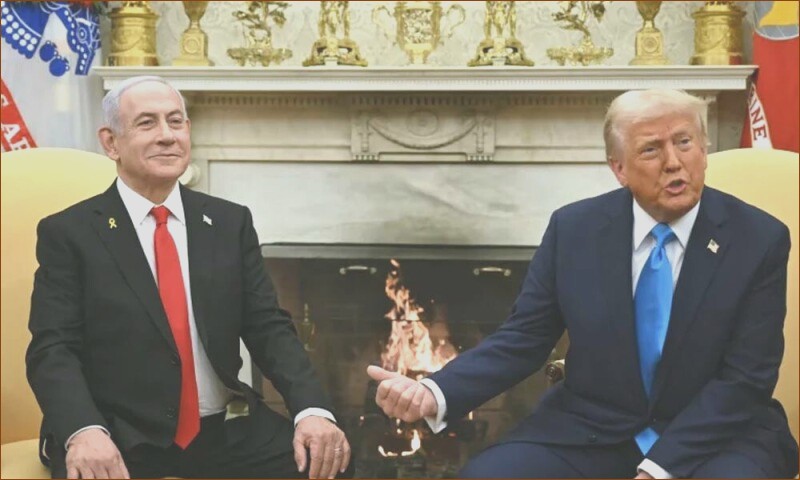
During a news conference on Tuesday in the White House, where he was joined by Israeli Prime Minister Benjamin Netanyahu, Trump mentioned the idea of the United States having “long-term ownership” of Gaza. This comes shortly after he controversially suggested that Gaza’s residents may need to relocate to neighboring Jordan or Egypt.
“We have only one choice: to live or die here,” stated Ahmed Halasa, a 41-year-old resident of Gaza City, as he stood amidst the ruins of a destroyed building. Despite the devastation that surrounds them, which includes significant damage to infrastructure and shortages of basic necessities, hundreds of thousands of Gazans have begun returning since late January. This movement follows a fragile ceasefire that has ended over 15 months of conflict between Israel and the militant group Hamas.
Ahmed al-Minawi, a 24-year-old who returned to Gaza City with his family, spoke on the resilience of his fellow Palestinians. “We came back despite the massive destruction because we completely reject the idea of being displaced,” he explained.
Halasa reinforced this sentiment, declaring, “They can do whatever they want, but we will remain steadfast in our homeland.”
The northern part of Gaza, particularly Gaza City, has faced severe destruction due to ongoing fighting, especially after Israel intensified its military actions in the region in October. Many returning families have discovered their homes turned to rubble, forcing them to set up tents nearby.
Like many others, 36-year-old Badri Akram stood firm against Trump’s ideas of displacement. “My house may be destroyed, but I can sleep on the rubble,” he pointed out, gesturing to the devastation behind him.
Trump also suggested the possibility of transforming Gaza into “the Riviera of the Middle East,” but for many Palestinians, the core of his proposal evoked fears of being forcibly removed from their land—a scenario that brings to mind the “Nakba,” or catastrophe, which refers to the mass displacement of Palestinians during Israel’s establishment in 1948.
“We have been fighting against displacement since 1948,” noted Minawi, emphasizing the long-standing struggle of his people.
The United Nations’ World Food Programme reported that about 500,000 people returned to northern Gaza within just a few days. The streets of Gaza City showed signs of life on Wednesday, bustling with vendors and pedestrians.
Similar feelings were echoed in the Israeli-occupied West Bank, where Palestinians voiced their anger over the idea of forced relocation. Umm Muhammad al-Baytar, a resident of Ramallah, declared, “We will not leave our land, even if they brought all the tanks in the world.” With conviction, she added, “Not even airstrikes could drive us away.”
