
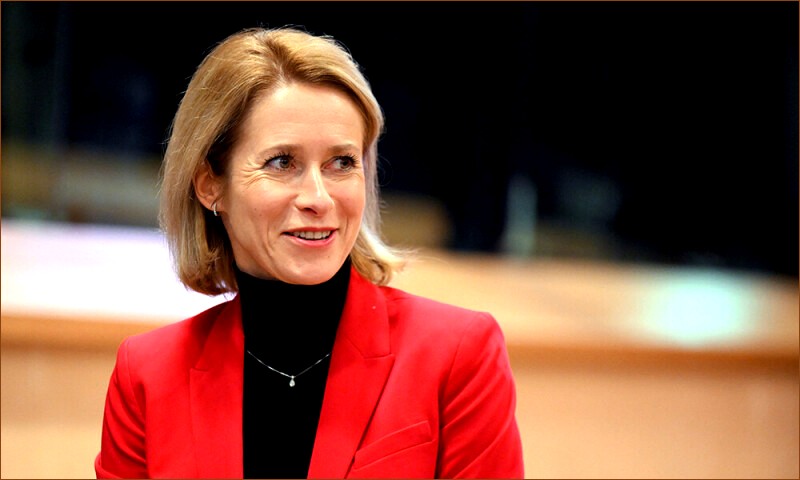
New EU Foreign Policy Chief Advocates for Use of Frozen Russian Assets to Support Ukraine
LONDON: The new foreign policy chief of the European Union has called for the direct use of frozen Russian assets to provide assistance to Ukraine. This statement comes in light of increasing concerns following President-elect Donald Trump’s remarks about potentially reducing U.S. aid to Ukraine after he takes office in January.
Kaja Kallas, who emphasized the need for Europe to continue its support for Ukraine, expressed her worry about the consequences if Russia were to prevail in the conflict. She stated, “If the U.S. cuts back on its aid, we must ensure that our support for Ukraine remains strong, as a Russian victory could lead to more wars and larger conflicts,” as reported by several news outlets.
The EU has already started utilizing profits from the estimated $220 billion in confiscated Russian assets to provide military aid and humanitarian support to Ukraine. However, Kallas pointed out that there are still hesitations about seizing the full amount due to potential legal implications. Yet, she is hopeful that “we will get there one day,” especially with an important meeting of European foreign ministers scheduled in Brussels soon.
Kallas, who previously served as the Prime Minister of Estonia, has adopted a firm stance against Russia throughout her career. She described the frozen assets as “a tool to pressure Russia” and highlighted their potential to fund the devastating impact of the war. She views support for Ukraine as a crucial investment in European security.
The EU currently holds more than two-thirds of Russia’s assets that have been frozen by Western nations since the invasion of Ukraine began in 2022. A significant portion of these assets, approximately 90, is managed by Euroclear, a financial services firm based in Belgium.
Estimates suggest that the profits generated from these frozen assets range between $2.6 billion and $3.2 billion annually, which have already been allocated towards arming Ukraine and facilitating its recovery after the ongoing conflict.
In a response to the U.S. decision to allocate a $20 billion loan to Ukraine backed by these frozen assets, Moscow condemned the action as “theft” and promised to take retaliatory measures.
