
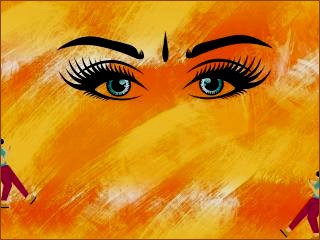
What Happens When Two Indians Lock Eyes in America? A Subtle Connection
On a chilly winter evening earlier this year, I found myself strolling along Castro Street in Mountain View, just a few months after moving to the Bay Area. The wind was fierce, sending shivers through my layers of clothing—a jacket, a sweater, and two t-shirts. Despite my attempts to stay warm, the cold still seeped through, serving as a reminder that my tropical skin was still adjusting to life in a northern climate.
As I crossed the street, I accidentally made eye contact with an Indian woman walking towards me from the opposite side. For just a brief moment, time seemed to slow down. I didn’t notice what she was holding or the specifics of her outfit; all I registered was that she shared my cultural background. In that fleeting glance, I sensed she felt the same connection.
Our eyes held a conversation that transcended words. We shared a bond that spoke of our shared history, our roots, and a feeling of belonging that is often hard to explain. It was as if a hidden thread connected us, informing both our experiences and perspectives.
We were both well aware of the complicated legacy of 1947 that looms over our generation. Even though many of us may never have met a British person or a Pakistani, the weight of history influences how we see ourselves and others. Our shared love for childhood favorites like spicy schezwan-manchurian and instant Maggi noodles tied into our emotions, evoking nostalgia and a sense of home, particularly on tough days.
In our brief exchange, we understood each other’s quirks—like how it’s completely normal for a guest to happily eat meat one day and refuse it the next because of an Indian custom. We both knew the magical charm of Bollywood and felt a connection to places like Engelberg thanks to our shared cultural references.
There’s also the discomfort we might feel discussing modern issues surrounding our homeland, from religious tensions to social divides. We’ve shared such experiences over social gatherings, often having to politely correct misconceptions about our country, like insisting that not every Indian dish is curry.
In that one moment, we recognized something deeper—a kinship that existed just because of our cultural backgrounds. It was that unexplainable feeling of being linked to someone simply because they wore traditional attire or had a bindi on their forehead.
Even as we adapted to life abroad, we knew that our accents would reflect our unique backgrounds, somewhere between our native tongues and the cultures we now inhabit. Whether we were first or second-generation Indians, we felt a bond through our shared skin tone and heritage.
This bond manifested in that brief eye contact—maybe a slight nod, a softening of eyes, or the corners of our lips subtly curling upwards. It was a fleeting but powerful moment of connection, a silent recognition of the common threads that link us as we navigate life in a foreign land, always carrying a piece of our motherland in our hearts.
And just like that, the moment passed, yet it lingered within me—a reminder that sometimes, a simple glance can hold so much meaning.
