
India Voices Concern at COP29 Over Climate Finance Standoff
During the first week of the COP29 climate talks in Baku, India and several other developing countries expressed their frustration regarding the slow progress on climate finance. These nations are particularly dissatisfied with the increasing pressure to enhance their climate commitments without receiving adequate support.
In a statement made late Saturday night, India’s chief negotiator shared the concerns of many developing nations. He stated, “We are very worried about the lack of progress in critical areas for developing countries. Our regions are among those hardest hit by climate change, and we lack the resources to recover or adapt effectively.”
The discussions around a new global climate finance goal remain stalled, with existing proposals for funding varying wildly—from $100 billion to an astounding $2 trillion annually. The complexity of these negotiations has been heightened by the desire from wealthy nations to classify this initiative as an “investment goal” that would rely on private funding.
India criticized wealthy countries for altering expectations and taking a disproportionate share of the world’s carbon budget while expecting developing nations to intensify their climate efforts. “Throughout this finance COP, we’ve encountered reluctance from our developed country partners to engage in meaningful discussions. Without the necessary means of implementation, achieving climate action is impossible,” emphasized the negotiator.
The Like Minded Developing Countries (LMDC) group, which includes about 24 nations, also expressed their discontent with being urged to adopt higher emission reduction targets without corresponding financial assistance. Bolivia’s representative, speaking on behalf of the LMDC, described the labeling of these nations as “blockers” in discussions as “deeply disrespectful and untrue.”
Highlighting the ongoing issues, Diego Pacheco, a spokesperson for LMDC, remarked, “We still have zero in terms of serious commitments in the climate finance discussions, and that’s unacceptable. Developed nations are projected to increase their greenhouse gas emissions by 0.5% by 2030 compared to 2020 levels.”
As these concerns surface, experts are urging that the COP29 talks should yield significant funding commitments. A recent report from a team of economists recommended that $1 trillion should be mobilized every year for developing countries by 2030, increasing to $1.3 trillion by 2035.
In addition to these challenges, the broader landscape of international climate cooperation appears shaky. Argentina’s departure from the COP29 negotiations and uncertainties around the United States’ future participation, especially if Trump returns to power, have raised alarm about global climate commitments.
As the talks progress into their final week, a significant gap remains between the needs of developing nations and the offers from wealthier countries. However, some experts believe this is a typical situation at this stage of climate negotiations. Inger Andersen, executive director of the United Nations Environment Programme, emphasized the need for patience: “Member states often don’t move quickly at first. There’s still time to reach an agreement.”
Negotiations are proceeding with pressure to finalize a new climate finance target, as world leaders prepare to meet at the G20 summit in Brazil, which includes nations responsible for the majority of greenhouse gas emissions.
Simon Stiell, the executive secretary of the UN Framework Convention on Climate Change (UNFCCC), acknowledged the urgency of the situation, stating, “Negotiators are working tirelessly on the climate finance goal. Progress outside of this venue is equally important. The upcoming G20 summit must provide clear commitments for increased financial support.”
India has previously stated a need for at least $1.3 trillion annually until 2030, while the African Group calls for assistance in the form of grants and non-debt finance.
Meanwhile, scientists have raised alarms about a significant rise in methane emissions from tropical wetlands, which are major contributors to greenhouse gases. Recent findings indicate that methane levels have surged more rapidly in the last five years than ever before, a troubling trend for global climate goals.
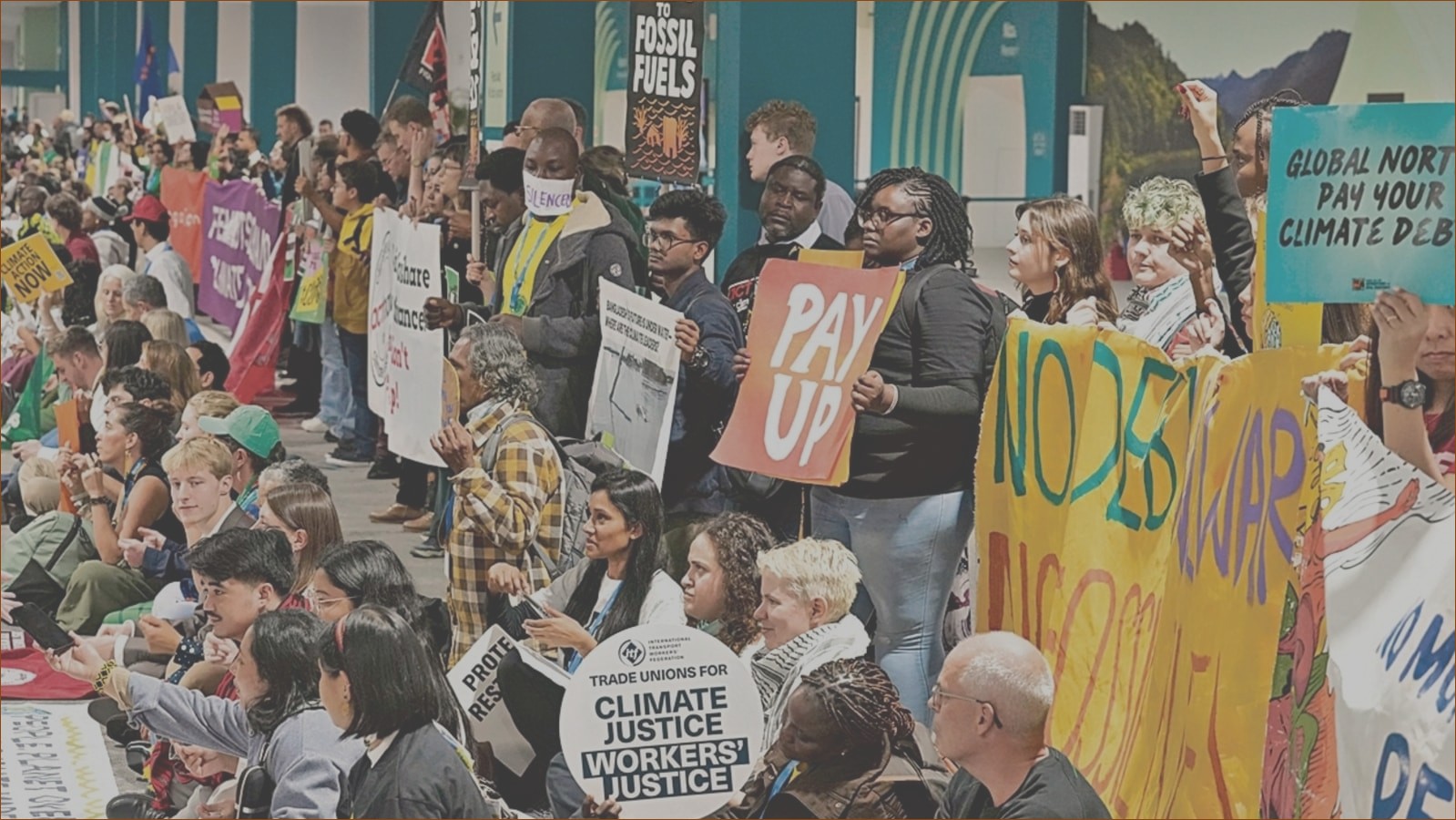
As the climate crisis escalates, activists stress that developed nations must acknowledge their historical role in emissions and provide essential financing to developing countries. An activist emphasized that the upcoming G20 summit represents a crucial opportunity to break the current deadlock and establish a meaningful climate finance target that promotes justice and equity.
