
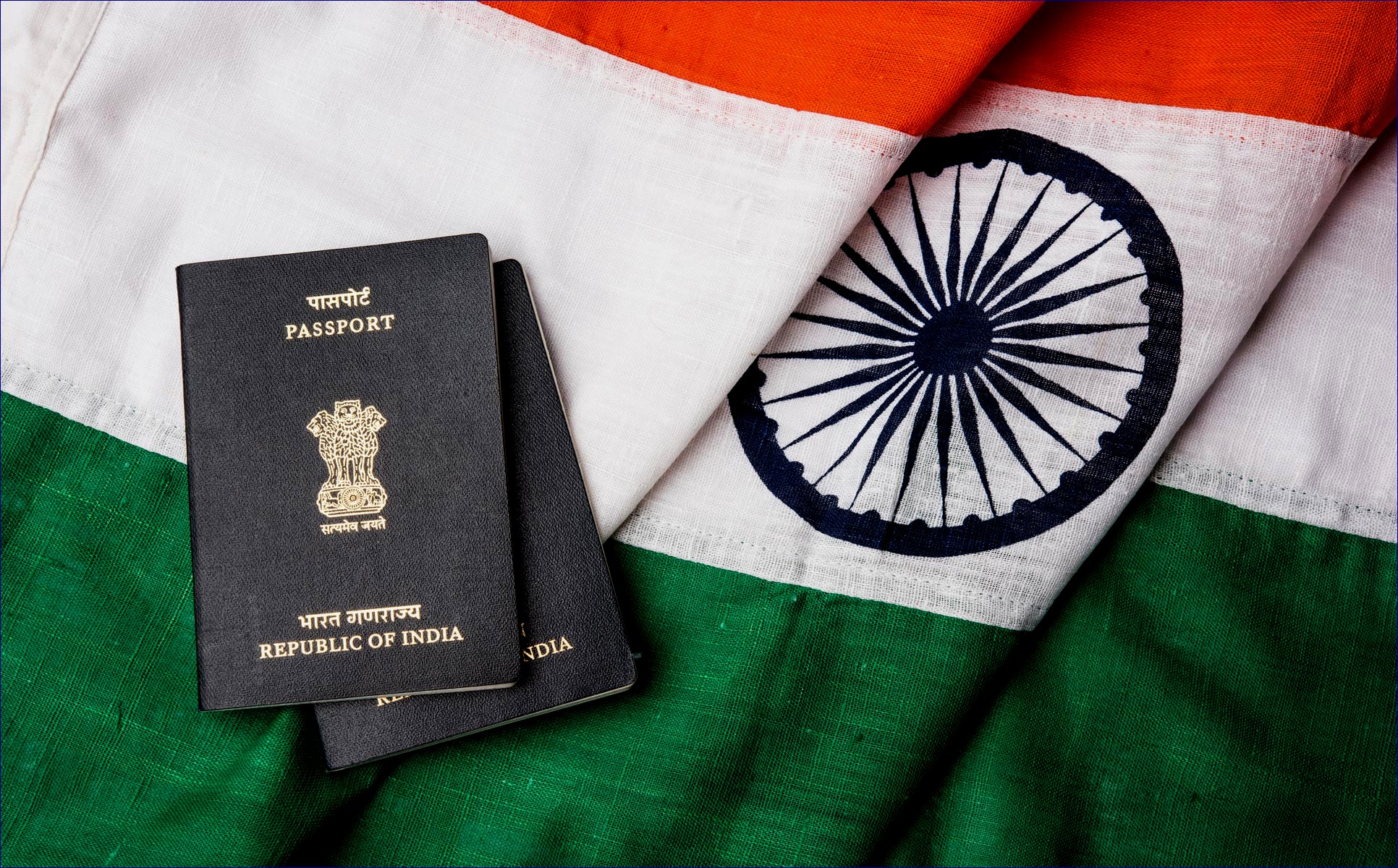
CSEP recently held its 28th Foreign Policy and Security Tiffin Talk, titled “India’s connection with its diaspora: From estrangement to re-engagement.” This event featured Nicolas Blarel, an Associate Professor at Leiden University in the Netherlands, who shared insights on how India’s government has approached its citizens living abroad and the Indian diaspora.
The discussion covered various aspects of India’s policies towards its nationals overseas. It looked into how these policies have changed over the years and identified areas that still require improvement. The speakers included Namrata Raju, an independent researcher focused on labor and public policy, and Sanjay Bhattacharya, a former Secretary in India’s Ministry of External Affairs. Constantino Xavier, a Senior Fellow at CSEP, served as the moderator for this event.
The series of discreet research talks is curated by Constantino Xavier along with Shivshankar Menon, a Distinguished Fellow at CSEP. Their aim is to present contemporary research that is evidence-based and relevant to policy-making to help bridge the gap between scholars and practitioners in Delhi.
Shifting Strategies of the Indian Government
The conversation highlighted the Indian government’s policies toward its large population living abroad, who contribute significantly to the nation’s economy. These overseas Indians send back remittances that account for about 3.4 percent of India’s GDP. Today, around 32 million Indians are living across the globe, stemming from a complex history of migration that dates back to the 19th century.
Blarel explained three major movements: the migration of low-skilled indentured laborers during the British Empire, post-independence migration to the UK during its labor shortages, and the migration waves towards Gulf Cooperation Council (GCC) countries and developed nations since the 1970s.
After gaining independence, the Indian government, led by Jawaharlal Nehru, took a cautious approach, focusing on encouraging migrants to settle into their host countries instead of providing them with diplomatic support. However, in recent years, the approach has shifted. Since 2014, India has made significant diplomatic efforts to re-establish connections with its diaspora, implementing online services like e-Migrant and MADAD, and creating welfare programs aimed at assisting Indians abroad.
Still, Blarel pointed out that there are inconsistencies and inadequate protocols for handling emergencies that affect overseas Indians, such as the funding and management of returnees and dealing with security issues that arise, particularly regarding the Khalistan separatist movement.
Need for Better Categorization
The panelists agreed on the urgency for reforms and clearer definitions in the governance of Indian emigrants. They emphasized that different groups—from the Person of Indian Origin (PIO) who may have come as laborers to highly skilled Indians—need tailored approaches. Low-skilled workers are particularly vulnerable and require protection, such as awareness of their rights and support services.
Furthermore, discussions highlighted the importance of humanizing migration studies by including the stories of low-wage workers. Artistic expressions, such as books and films, can play a significant role in showcasing their experiences and highlighting the importance of their contributions to the economy through remittances.
Complex Issues and Future Research Directions
Numerous questions and observations came from participants regarding the roles of various sectors in tackling migration issues. The importance of private organizations, particularly student-led groups, was noted, as they often have better outreach and resources.
Some participants lauded recent government initiatives, while others criticized the political aspects of diaspora relations, citing challenges like demands for dual citizenship and rising political tensions within the NRI community. They also expressed concerns about the implications of these dynamics on India’s long-term interests.
Despite a general agreement on the positive shift in India’s engagement with its diaspora, opinions varied on the reasons driving this change—ranging from India’s growing economic stature to the influences of political parties and regional identities. There were calls for more research into migration trends in neighboring countries like Sri Lanka and Myanmar.
In conclusion, the discussion wrapped up with acknowledgments from the speakers about the necessity for policies that recognize the complexities and fluid nature of migrant identities. The varied experiences of migrants and their interactions with both Indian and host governments were highlighted as key areas for future exploration.
