
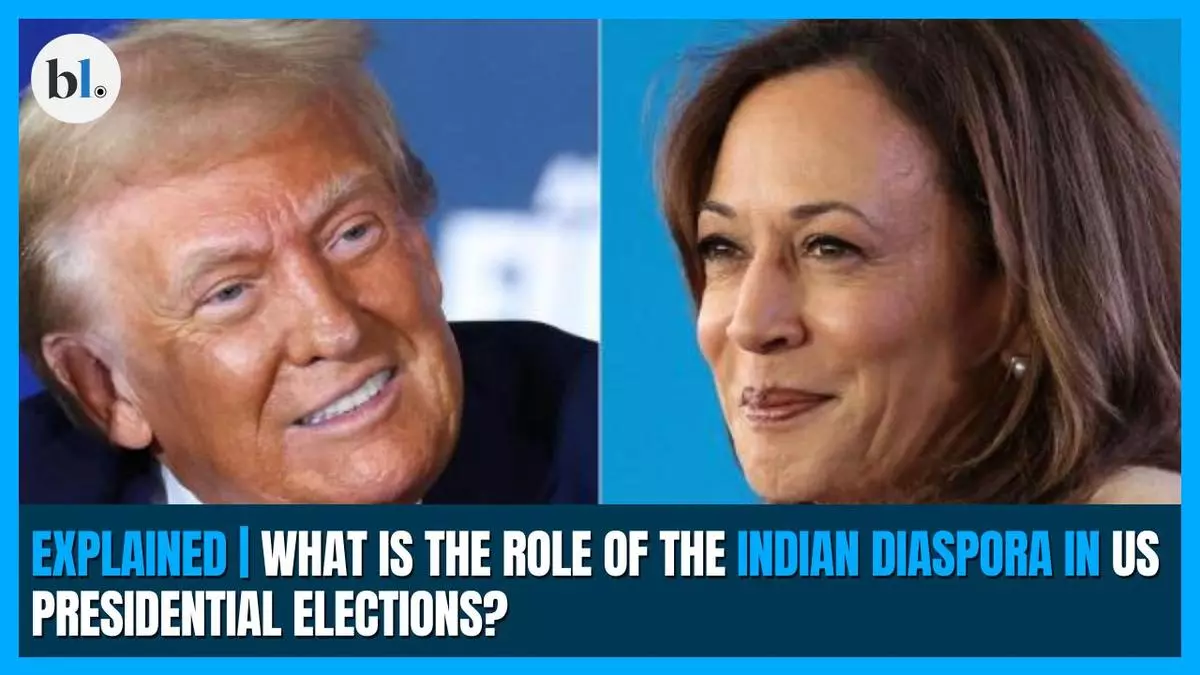
Amidst the vast tapestry of the American demographic landscape, the Indian diaspora, numbering approximately 5.2 million, stands as a vibrant thread—though it constitutes a mere blip, eclipsing just over 1 percent of the nation’s populace. This community, while representing less than one percent of eligible voters, reigns as the second-largest immigrant faction in the United States. Their influence, however subtle, has not gone unnoticed.
In the high-stakes arena of political maneuvering, both major parties—the Democrats and Republicans—are scrambling to court this essential voter block. The dynamic between the candidates and the Indian-American populace unfolds like a chess match, with each side strategizing meticulously to resonate with the aspirations and concerns of this culturally rich group.
While the electoral impact of this community might appear modest in sheer numbers, the palpable enthusiasm and engagement exhibited by Indian-Americans in the political discourse reflect a complexity that politicians cannot afford to overlook. As campaigns intensify and the political landscape evolves, one thing is clear: to ignore the pulse of the Indian diaspora is to risk losing a significant advantage in the electoral contest.
