
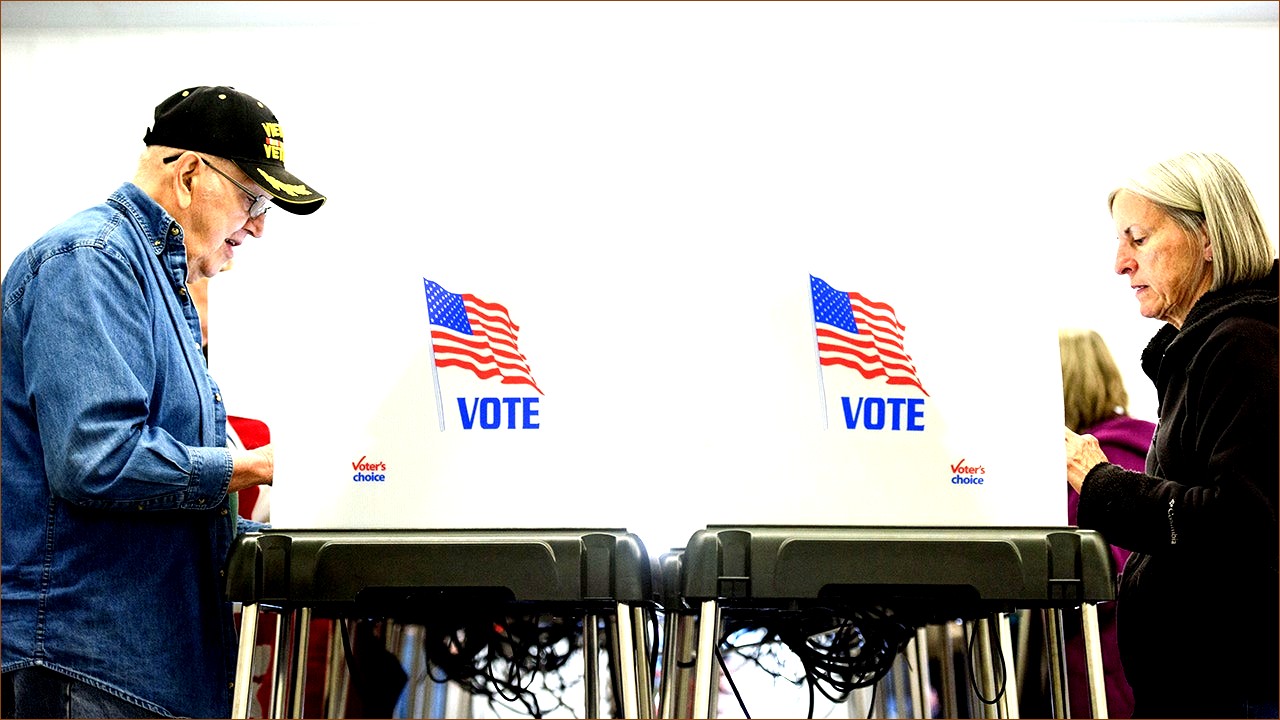
As the looming presidential election inches closer, an unexpected shadow looms over the mental well-being of the American populace. A recent national survey conducted by the AMFM, a California-based residential mental health treatment facility, delves into the rising tide of anxiety that grips many as they navigate this politically charged atmosphere. The survey, which meticulously collected responses from 2,000 individuals, illuminates a distressing statistic: nearly 22% of participants admitted that the incessant election coverage is taking a toll on their mental health.
Abruptly, the data reveals a cascade of stressors that contribute to this collective unease. Misinformation rears its ugly head, with a staggering 57% of respondents pinpointing it as a significant source of anxiety. Meanwhile, the relentless “doom and gloom” messaging haunts 56% of participants, compounded by fears about the election’s repercussions (54%) and the gnawing worry that their favored candidate might falter (42%). Altogether, around 30% of surveyed individuals confess to experiencing heightened anxiety linked to the electoral process, while 22% characterize their feelings as overwhelming. Furthermore, a noteworthy 18% report grappling with anger, a tumultuous emotional response to the political theater unfolding around them.
Interestingly, the desire to retreat from the turmoil is palpable, with almost 53% opting to sidestep election-related discussions altogether to maintain a semblance of peace. Alarmingly, over 73% of respondents reveal they’ve eschewed seeking any form of assistance to tackle their election-related anxiety, instead bracing themselves for the fallout alone.
The findings mirror the conclusions of another survey by LifeStance Health, which stands as a testament to the pervasive anxiety gripping the nation. It unearthed the grim reality that a staggering 79% of individuals are now experiencing election anxiety, a phenomenon particularly pronounced among the younger generations—64% of Gen Z and 54% of millennials report feeling the election’s strain more acutely.
As a mosaic of reactions unfolds amidst the political chaos, experts offer a beacon of hope, sharing crucial coping mechanisms to navigate this turbulent emotional landscape. They advocate for practical strategies aimed at fostering resilience, such as grounding techniques that anchor individuals in the present moment, building self-care routines that weave mindfulness and relaxation into daily habits, and challenging unhelpful thought patterns that threaten to spiral into chaos.
As the election day draws near, experts warn not to underestimate the potential fallout of political stress on physical health. Indeed, historical data suggests that heart attacks are more likely during heightened political tensions. Therefore, it’s imperative for individuals to establish boundaries—both digital and interpersonal—to preserve their mental well-being amidst a deluge of provocative content.
The journey towards mental equilibrium during this electoral frenzy is fraught with challenges. However, with proactive strategies in place, Americans can not only withstand the storm but also emerge from it with their mental health intact. As such, seeking professional guidance remains a crucial step for anyone grappling with overwhelming anxiety—because, in the chaos of the political arena, preserving one’s peace of mind is paramount.
