
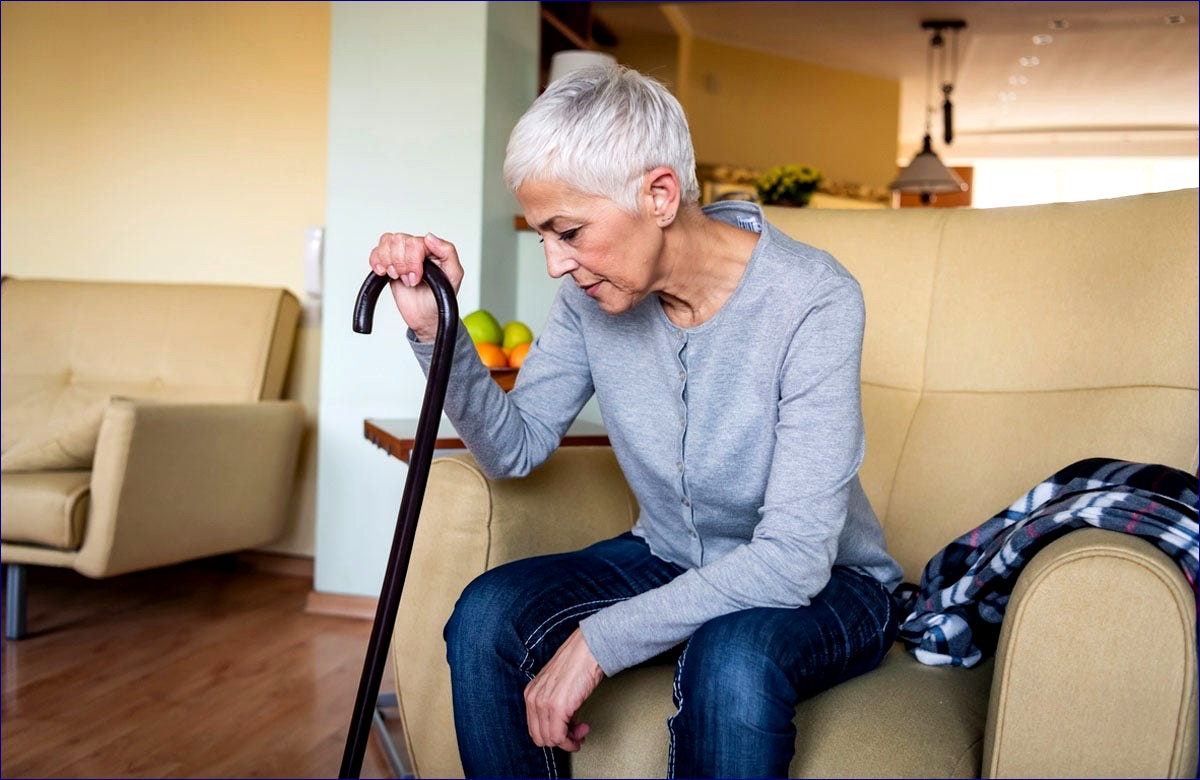
Falls in older adults could be more than mere accidents—they may serve as early indicators of dementia, a possibility illuminated by a groundbreaking study in JAMA Network Open. This research, spearheaded by a team from Boston, unveils an unsettling connection between falls and cognitive decline, a pattern embossed in the experiences of geriatricians and primary care providers alike.
According to Dr. Molly P. Jarman, deputy director of the Center for Surgery and Public Health at Brigham and Women’s Hospital and a Harvard Medical School assistant professor, “This study puts numbers to something healthcare providers have long suspected—falls frequently precede the diagnosis of dementia. It underscores the necessity for cognitive screening after such incidents.”
To dive into the depths of this phenomenon, the researchers sifted through a veritable mountain of data, analyzing the Medicare claims from over two million Americans aged 66 and above who had sustained traumatic injuries necessitating emergency care or hospitalization in 2014 and 2015. Alarmingly, falls accounted for half of these injuries.
Delving deeper into their findings, the researchers meticulously tracked the subjects for at least one year post-injury, scrutinizing how many were subsequently diagnosed with dementia. Among those who had fallen, a striking 10.6% received a dementia diagnosis within the year following their unfortunate tumble. In stark contrast, only 6.1% of seniors experiencing injuries from other causes—such as car accidents—were diagnosed with dementia.
The implications are profound. After adjusting for variables like demographics and injury severity, those whose injuries stemmed from falls were found to be 20% more likely to be diagnosed with dementia than their peers with non-fall-related injuries.
But does this mean that falling actually causes dementia? A tantalizing yet complex question arises. While roughly one in ten U.S. adults over 65 grapples with dementia, this study meets a significant caveat: it merely observed past records, leaving the causative relationships between falls and cognitive decline murky at best. Dr. Jarman suggests that individuals with mild cognitive impairment or undiagnosed dementia might be more prone to tripping and falling due to altered gait and balance.
Dr. Michael S. Okun, a distinguished figure in neurology and medical advisor to the Parkinson’s Foundation, reinforces this notion. “Just as chest pain triggers thoughts of a heart attack, falling should prompt considerations of dementia risk.” He advocates for proactive cognitive assessments in the wake of new falls, emphasizing the importance of addressing cognitive health alongside physical recovery.
Jarman notes, “Currently, it’s not commonplace to perform cognitive screenings on older adults post-fall. Our research aspires to prompt clinicians to pay closer attention to the cognitive well-being of these individuals.”
This paradigm shift calls for immediate action, particularly during initial hospitalizations, where cognitive assessments could be imperative. It dismantles the outdated notion that elderly individuals require only physical therapy following falls, advocating instead for a comprehensive approach to health that includes cognitive evaluations.
As the Centers for Disease Control and Prevention (CDC) indicates, falls remain the leading injury cause among adults aged 65 and older. Every second, an older adult falls; one in four reports falling annually. The seriousness of these incidents cannot be understated—falls often lead to grave injuries, resulting in the loss of independence and, tragically, placing a significant burden on healthcare.
To mitigate this pervasive risk, experts recommend a four-part strategy:
-
Evaluating Personal Risks: Have candid discussions with healthcare providers about potential falling risks, including a review of medications that might induce dizziness or drowsiness.
-
Staying Active: Engage in exercises such as Tai Chi to enhance balance and bolster leg strength, reducing fall probability.
-
Regular Medical Check-ups: Yearly assessments of vision and foot health, alongside discussions about appropriate footwear, can significantly diminish risks.
- Home Safety Inspections: Conduct thorough inspections of living spaces, eliminating clutter, securing loose rugs, installing grab bars, and ensuring homes are well-lit to prevent falls.
In this intricate tapestry of health and aging, awareness is crucial. As Jarman warns, “The interaction with the healthcare system triggered by a fall could be the catalyst for a dementia diagnosis.” Awareness and proactive measures are essential in safeguarding the cognitive health of older adults—because understanding the link between falls and dementia could prove pivotal in enhancing quality of life and preserving independence.
