
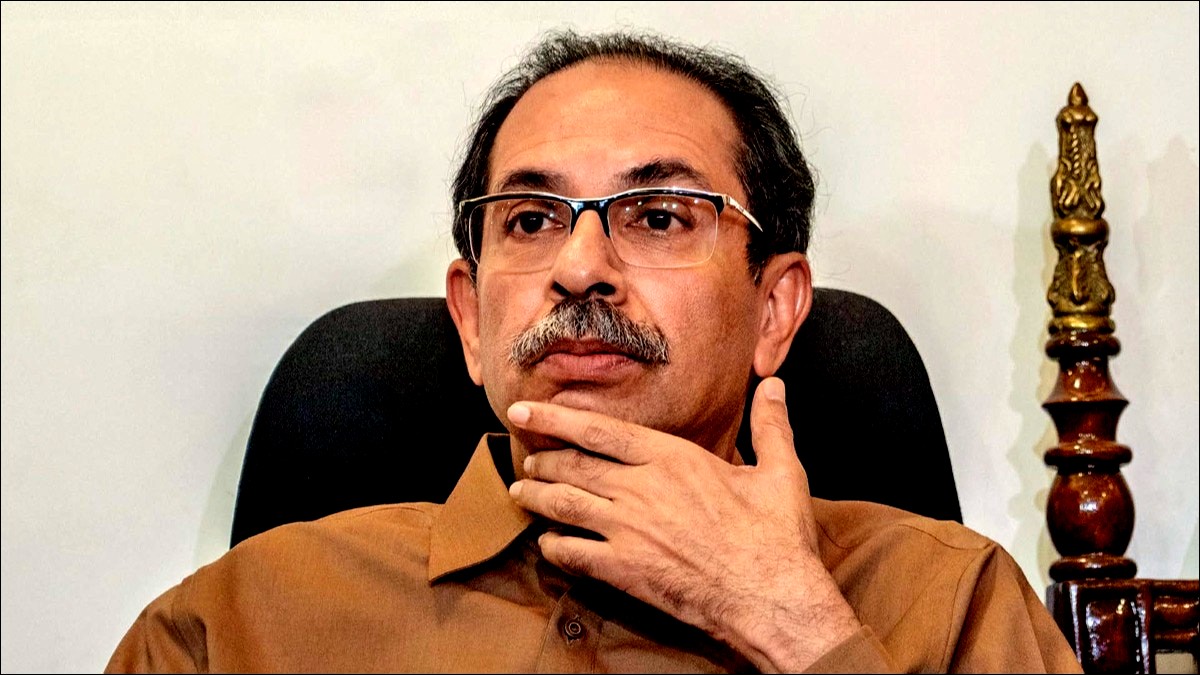
In the turbulent waters of Maharashtra’s political landscape, Uddhav Thackeray’s Shiv Sena (UBT) finds itself adrift, yet buoyed by an undercurrent of sympathy amidst a tide of challenges. The discordant exit of Eknath Shinde, accompanied by a cadre of 39 MLAs in June 2022, abruptly severed Thackeray’s grip on the chief ministership, which had hung by a thread for two-and-a-half years. This seismic shift dissolved the Maharashtra Vikas Aghadi (MVA) alliance and thrust Thackeray’s faction—dubbed Sena (Uddhav Balasaheb Thackeray)—into a labyrinthine struggle for political relevance.
Yet, in the midst of this political tempest, the sympathy for the Marathi manoos—an emotional tether that binds a core constituency—remains a flickering flame for Thackeray. Managing the coalition he now navigates is akin to walking a tightrope, precariously balancing the need to attract new voter blocs while simultaneously safeguarding the loyalty of his foundational Marathi demographic.
The road ahead is fraught with complexity: forging new alliances and courting fresh faces in the voter landscape, all while grappling with the remnants of loyalty from a once-unified party. Thackeray’s path is indeed steep and laden with unknowns, yet it is this very intricacy that might ignite the resurgence of his faction, should he deftly weave the threads of dissent into a tapestry of political revival.
