
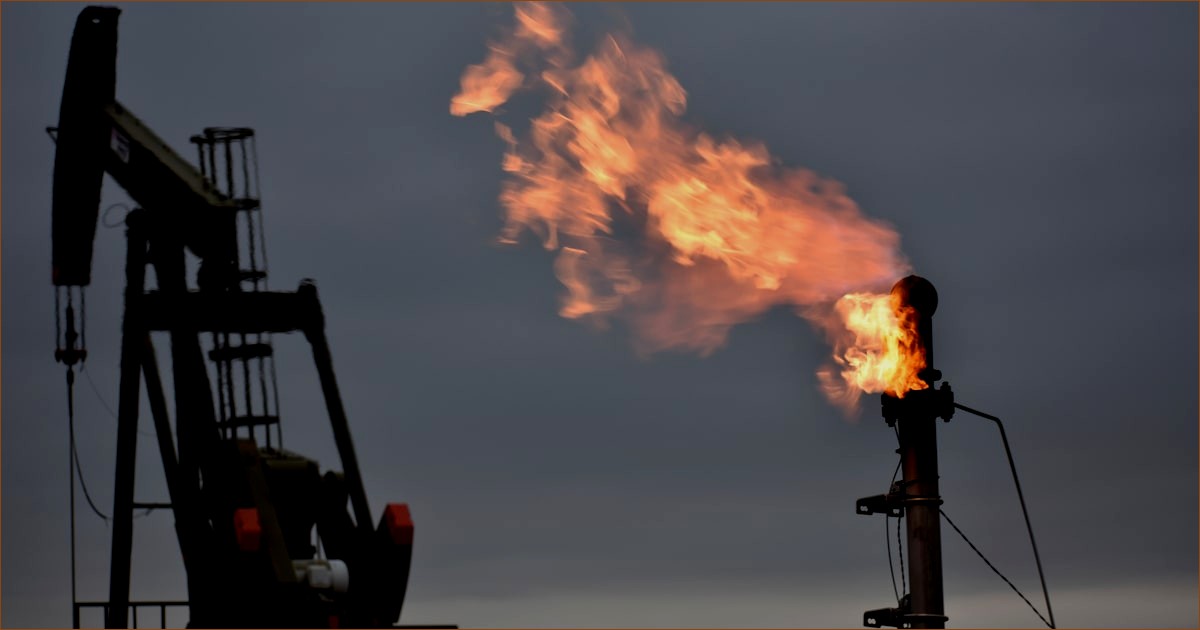
Across Texas, oil and natural gas drilling is occurring deep within the Earth to provide energy that fuels our lives. However, this extraction comes with a serious downside: significant methane emissions. Methane is the primary component of natural gas, and the drilling processes often result in it escaping into the atmosphere.
When the Environmental Protection Agency (EPA) aimed to reduce this harmful pollution, Texas’s state government responded with a lawsuit against the agency. In October, the Supreme Court dismissed Texas Attorney General Ken Paxton’s request to pause the new regulation. This decision is crucial, as methane levels in the state have reached alarming highs, highlighting the need for Texas to take urgent measures to address this issue for the health of its residents.
Methane ranks as the second most prevalent greenhouse gas globally, following carbon dioxide. While it has a shorter lifespan than carbon dioxide in the atmosphere, it poses a significant threat in the short term by heating the Earth over 80 times more effectively. Even though methane dissipates within about 20 years, that time frame is long enough to contribute extensively to global warming.
The problem of methane pollution affects not just the environment but public health as well. When methane leaks into the air, it can release other harmful substances such as hydrogen sulfide and benzene, resulting in poor air quality that can lead to various health issues.
Research has shown that both short and long-term exposure to pollutants from methane can be deadly. A 2023 report from Boston University revealed that pollution from the oil and gas sector resulted in 7,500 premature deaths in 2016, with Texas accounting for 1,314 of those deaths, particularly in Tarrant County.
Despite the risks, oil and gas companies are continuing to increase their emissions. Texas is the leading state in oil and gas production, and data from the Environmental Defense Fund indicates that in 2023 alone, drillers in Texas emitted around 5.9 million metric tons of methane. This volume is comparable to the yearly emissions from 128 coal-fired power plants or over 119 million cars on the road.
In response to this ongoing issue, the EPA finalized new regulations in December aimed at setting performance standards and emissions guidelines for methane pollution in the oil and gas sectors. Texas has until March 2026 to develop a plan to comply with these rules. As part of this effort, the Texas Commission on Environmental Quality has been holding public meetings, including one on November 14 in Arlington, a city with numerous drilling sites that pose risks to nearby homes and daycares.
Additionally, the federal government recently allocated $134 million to Texas for the purpose of closing abandoned oil wells, which are another significant source of methane leaks. A new charge on emissions for major polluters is also designed to encourage reductions in methane emissions.
It is essential for Texas to take serious steps to tackle methane pollution. Allowing companies to release excessive pollution endangers the health and lives of Texans. The time to act is now, and it is unacceptable to ignore this pressing issue.
