
Backlash Against Muslim Police Group Over Controversial Paper
The National Association of Muslim Police (NAMP) is receiving significant criticism after its recent policy paper was accused of spreading “antisemitic lies.” Critics are also alleging that the organization may be influenced or controlled by extremist groups.
This situation has raised concerns about trust in British police, particularly as the government faces mounting criticism for perceived uneven policing regarding anti-Israel and pro-British demonstrations.
The contentious paper, titled “From Past Prejudices to Present Policies: Confronting Anti-Muslim Hatred and Promoting Human Rights,” was brought to light by The Spectator. In it, former NAMP Vice President Khaldoun Kabbani described Zionism as a viewpoint that promotes anti-Muslim sentiment and diverges from the teachings of Judaism.
Kabbani’s paper labeled the Israel Defense Forces (IDF) as a “Zionist terrorist group” and suggested that their actions following the October 7 attacks would eventually be classified as terrorism, without acknowledging any ties to the Jewish faith. Although the article has reportedly been removed from the web, it is still accessible through the Wayback Machine.
Andrew Fox, a senior associate at the Henry Jackson Society, criticized the document as being filled with “antisemitic lies.” Kabbani himself claimed that the media’s early reports on the Hamas attack included unverified violence claims, which he believes have fostered growing hatred towards Islam.
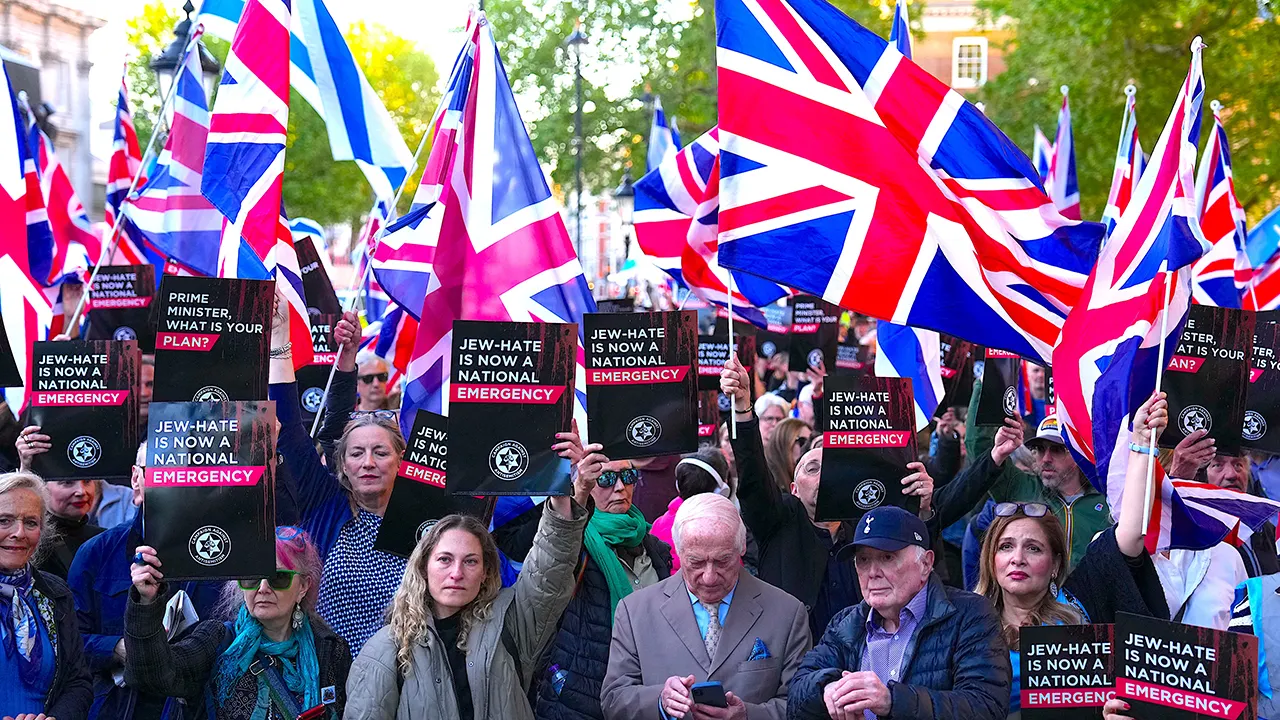
Stephen Silverman, the Director of Investigations for the Campaign Against Antisemitism, described the NAMP paper as proof that a major police association might be infiltrated by extremists. He called for an immediate investigation into those responsible for the paper.
The National Police Chiefs’ Council has yet to respond to inquiries regarding its stance on the NAMP’s publication, leaving the public wondering about potential implications on police trust.
Fox emphasized the rising antisemitism in the UK and characterized NAMP’s paper as “grossly inappropriate.” He believes that while dialogue between minority groups and police is essential, organizations that promote division, like NAMP, undermine public trust and should be approached with caution.
As the conversation continues, the focus remains on fostering unity and addressing the concerns of all communities while maintaining public safety.
