
AI Leaders Rethink Job Loss Predictions Amid Public Concerns
Prominent figures in the world of artificial intelligence (AI) are now reconsidering their earlier warnings about mass job losses due to AI advancements. This shift comes as more people express their worries about the impact of AI on employment, especially in the United States.
Jensen Huang, the CEO of NVIDIA, and Sam Altman, the head of OpenAI, have acknowledged that their previous alarmist predictions about AI’s effect on jobs may have been exaggerated. They argue that many industry leaders who link AI to job cuts are taking the easy way out.
During a recent interview, Huang criticized his fellow executives for attributing workforce reductions to AI. He questioned how companies could claim they were losing jobs because of AI, which has only recently started to make an impact. “It doesn’t make sense,” he said. Huang believes that while AI may change the job landscape, it can also create new opportunities.
Last week, Standard Chartered, a British bank, announced plans to cut thousands of jobs by 2030, citing AI’s role in replacing administrative roles. Similarly, Snapchat’s parent company laid off 1,000 employees, citing AI improvements as a reason for increased efficiency.
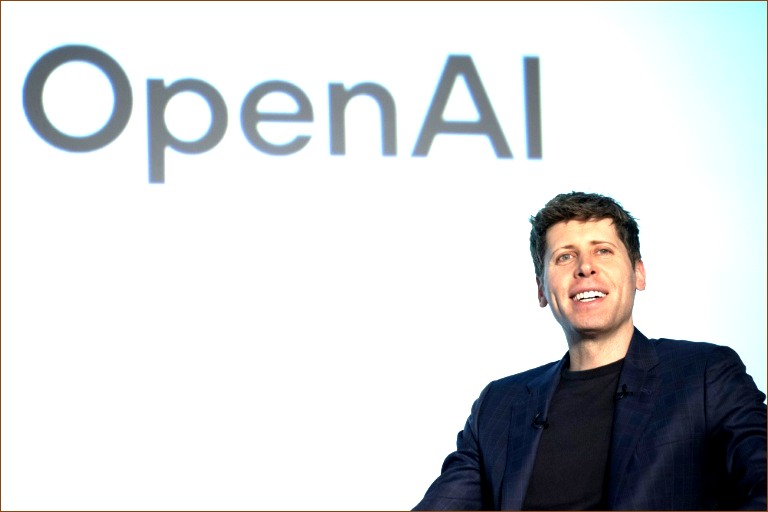
In contrast, Sam Altman acknowledged that he had expected AI to affect more entry-level jobs by now. Speaking at a conference in Australia, he admitted that he was surprised by the extent of the job impact. “I thought there would have been more effect than there has been. But I am grateful for that,” he remarked.
Dario Amodei, CEO of Anthropic, has also softened his stance on AI’s effects, suggesting that even if a significant number of jobs become automated, the remaining roles would likely be filled by humans who would work more efficiently.
This change in tone from AI leaders comes at a time when their companies are preparing for public offerings, requiring a favorable public perception to gain investor support. However, earlier ominous warnings about AI have raised concerns among the public, leading to widespread discontent regarding potential disruptions in the job market. Most economic reports, including from the European Central Bank, indicate that AI has had only a minimal impact on employment thus far.
As the industry navigates these challenges, it remains crucial for leaders to carefully consider their messaging about AI and its effects on the workforce.
