
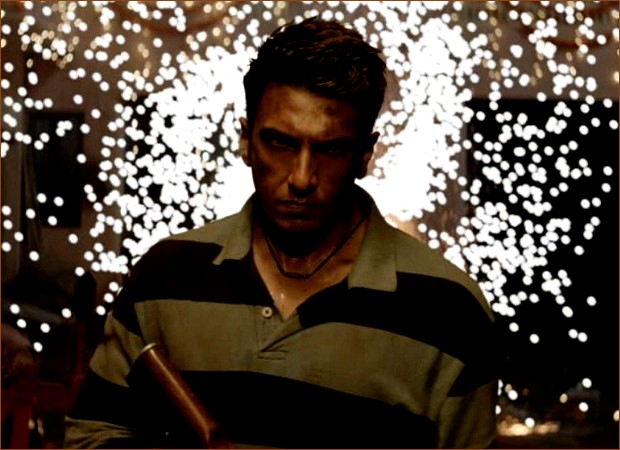
The Delhi High Court has instructed the Union government and the Central Board of Film Certification (CBFC) to look into claims that the film Dhurandhar The Revenge, featuring Ranveer Singh, might have breached the Official Secrets Act by allegedly exposing sensitive information related to India’s military operations.
The issue arose during a hearing by a Division Bench that included Chief Justice Devendra Kumar Upadhyaya and Justice Tejas Karia. This followed a Public Interest Litigation (PIL) filed by Deepak Kumar, a Head Constable with the Sashastra Seema Bal (SSB). Kumar expressed concerns that certain scenes in the film could threaten the country’s security.
The petition suggests that the film may showcase operational sites and portray characters inspired by high-ranking officials and fallen servicemen in a way that is not in the best interest of the nation. It also claims that Dhurandhar 2 mentions information related to drug developments connected with the Defence Research and Development Organisation (DRDO).
During the court proceedings, while recognizing that the film is meant for entertainment, the judges highlighted that the concerns raised should be taken seriously. “Even if the film is fictional and meant for entertainment, we cannot overlook its potential impact,” the Court remarked.
The judges emphasized that the issues regarding the disclosure of military details should be thoughtfully examined by the right authorities. They suggested that the censor board needs proper guidelines to address such matters. Instead of imposing immediate restrictions on the film, the court instructed the Ministry of Information and Broadcasting (MIB) and the CBFC to treat the petition as a formal complaint and make a well-informed decision.
In response to the nature of the concerns raised, the court concluded by affirming that the issues should be appropriately addressed, directing the relevant authorities to take them into account.
Dhurandhar The Revenge has already gained significant attention, particularly around Ranveer Singh’s performance and the film’s high-octane action scenes. However, this recent legal development adds further scrutiny to how military and intelligence themes are portrayed in cinema.
The case brings to light the ongoing discussion about balancing creative freedom with national security in films that draw inspiration from military operations and real-life events. Filmmakers often seek to enhance authenticity, yet courts and certification bodies continually strive to find a balance between storytelling and protecting sensitive national interests.
