
Drone Strikes Target Nuclear Power Plant in the UAE
A drone strike hit a nuclear power plant in the United Arab Emirates, causing concern amid rising tensions in the region. This incident comes as former President Donald Trump is set to speak with Israeli Prime Minister Benjamin Netanyahu, particularly regarding stalled discussions with Iran.
Recent reports indicate that the alliance between the U.S., Israel, and the UAE, which was formed to counter Iran in the Middle East, is showing signs of stress. An analyst mentioned that disagreements are increasing tensions, possibly leading to a wider conflict with Iran.
The friction first became evident on May 13, when Netanyahu’s office claimed he had a “historic meeting” with UAE President Sheikh Mohammed bin Zayed Al Nahyan during a secret visit. The UAE quickly denied this, emphasizing that their relationships with Israel are public, based on the well-known Abraham Accords.
The UAE’s Foreign Affairs Ministry stated, “Any claims about undisclosed visits or arrangements are baseless, unless announced by the appropriate authorities.”
Natan Sachs, a senior analyst at the Middle East Institute, noted that this situation could complicate the partnership between Israel and the UAE. He mentioned that the Israeli government is likely trying to repair any damage to their relationship but it might be too early to tell how effective those efforts will be.
As tensions rise over Iran, Trump and Netanyahu discussed potential scenarios regarding renewing conflicts with Iran and Trump’s trip to China.
Sachs also pointed out that Netanyahu’s announcement about the UAE meeting could be seen as a diplomatic mistake, which might embarrass the UAE. He added that this could create genuine anger in the UAE leadership, especially concerning trust issues related to leaks of sensitive information.
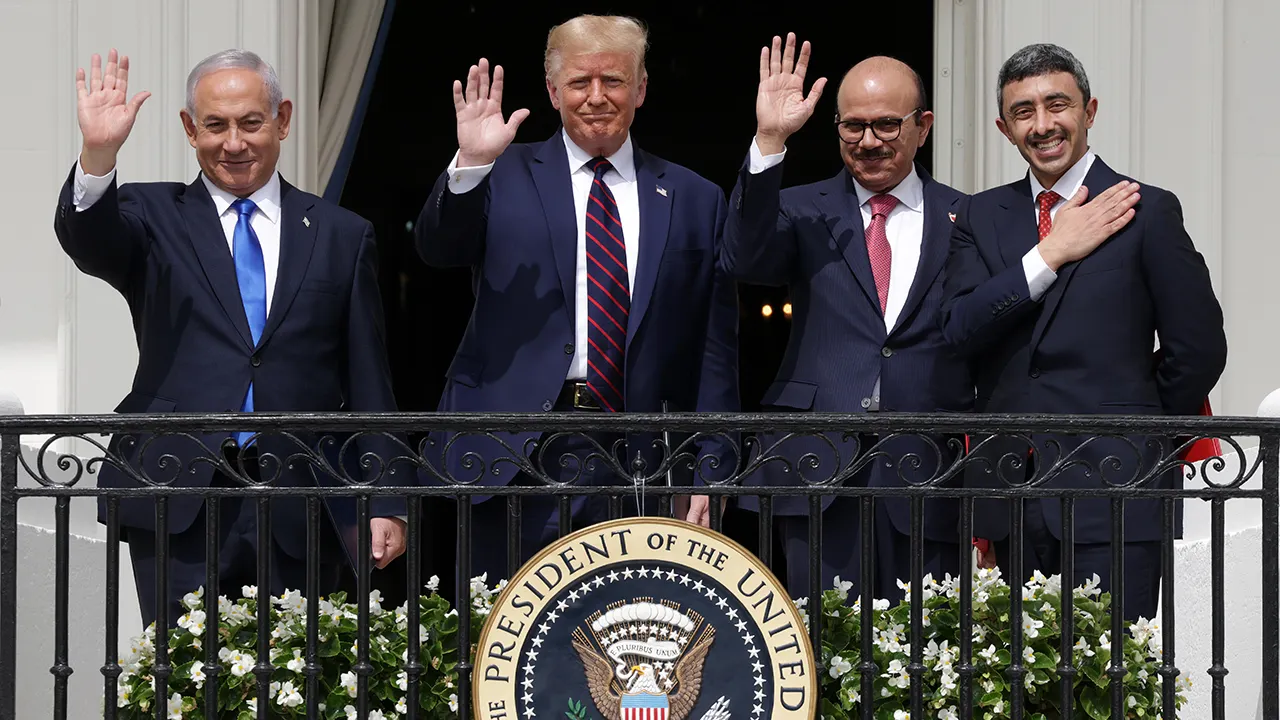
The Abraham Accords, which were brokered by the U.S. in 2020, changed the dynamics of the region by normalizing relations between Israel and several Arab nations, including the UAE, Bahrain, Morocco, and Sudan. These agreements led to increased security collaboration, mainly due to shared concerns about Iran’s military activities.
The alliance faced challenges when Iran targeted UAE military and energy sectors amid military operations. Reports have indicated that Israel has sent air-defense systems to the UAE, which managed to intercept three drones believed to be launched from Iran.
Sachs remarked that, despite the threats, the UAE has maintained its strategy of working openly with Israel. However, Netanyahu’s visit could have crossed a line that the UAE leadership found unacceptable.
Overall, the situation remains delicate as leaders strive to balance diplomatic relations against a backdrop of growing regional tensions.
