
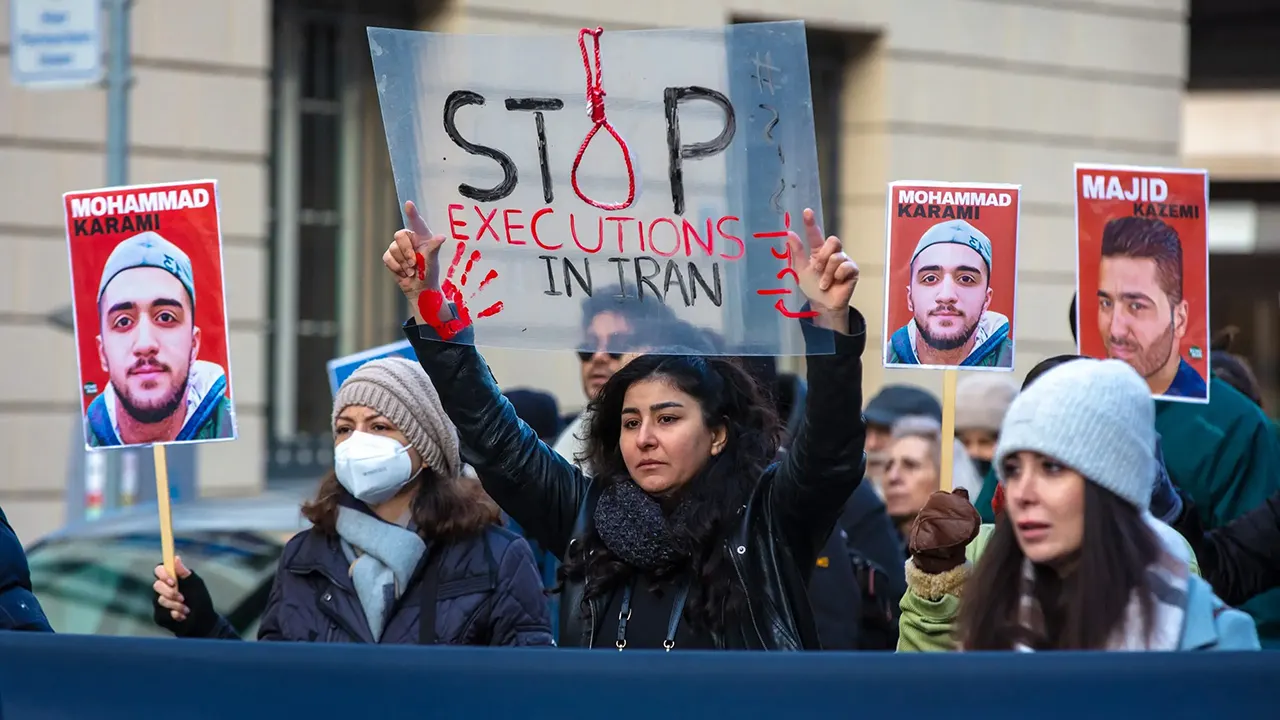
Iran Intensifies Crackdown on Dissent, U.N. Report Says
The U.N. High Commissioner for Human Rights, Volker Türk, has raised serious concerns about Iran’s escalating crackdown on dissent following unrest in February. He reported that the Iranian regime has executed at least 21 individuals and arrested over 4,000 people on charges linked to national security since February 28, amidst a backdrop of violence and unrest.
In a strong statement from Geneva, Türk expressed his dismay at the harsh measures being taken against the Iranian people, stating, “I am appalled that, on top of the already severe impacts of the conflict, the rights of the Iranian people continue to be stripped from them by the authorities, in harsh and brutal ways.”
In the aftermath of protests that erupted in January, the situation has continued to deteriorate. The U.N. indicated that among those executed recently, nine were tied to the January protests, with others accused of being part of opposition groups or espionage. It’s estimated that approximately 40,000 lives were claimed during the uprisings led by regime forces.
Türk highlighted a concerning trend where vague national security laws are being misused by authorities to fast-track legal processes, often denying individuals legal representation and relying on forced confessions. He called on Iran to stop executions, impose a halt on capital punishment, and release those who have been detained without just cause.
The circumstances inside Iran’s prisons are dire, with reports of overcrowding and mistreatment of detainees, particularly among ethnic and religious minorities. Türk’s comments come in the wake of serious concerns regarding the health of notable prisoners, including Narges Mohammadi, a Nobel Peace Prize laureate. Her recent hospitalization due to deteriorating health conditions has drawn increased scrutiny to the treatment of political prisoners in Iran.
As protests against the regime’s repressive tactics continue, many analysts remain skeptical about the effectiveness of international condemnation without tangible action. Banafsheh Zand, an Iranian-American journalist, pointed out the enduring distrust among Iranians towards the U.N., citing a history of unfulfilled promises to hold the Iranian government accountable.
With the Iranian government now taking a vice-chair role on a U.N. nuclear committee, questions remain about the level of international pressure necessary to effect real change in the country. As calls for justice grow louder, the future of human rights in Iran hangs in a precarious balance.
