
U.S. Economic Pressure on Iran: Can It Truly Create Change?
As the Trump administration intensifies its economic campaign against Iran, key questions arise: Will these measures genuinely weaken Iran’s leadership, or will the country’s rulers continue to endure the hardships and maintain their control?
Treasury Secretary Scott Bessent stated that the “Economic Fury” initiative has significantly disrupted revenue that could finance terrorism. He noted a sharp rise in Iran’s inflation and a drop in its currency value due to these sanctions. Bessent also warned that Iran’s main oil terminal, Kharg Island, is close to reaching capacity, which may lead to daily losses of about $170 million if oil production has to be cut.
This new wave of economic restrictions marks one of the strongest U.S. efforts to isolate Iran in years. However, the central issue remains: Can this strategy force meaningful changes from a government that has historically managed to withstand economic hardships? Opponents argue this approach could lead to broader instability, especially in energy markets.
A senior official from the administration highlighted that the Treasury is targeting Iran’s financial networks, ensuring that various forms of trade, including oil and cryptocurrency, are impacted. This involves freezing substantial amounts of Iranian-linked cryptocurrency and exerting pressure on foreign financial entities that facilitate Iran’s commerce.
Some analysts express skepticism about the effectiveness of the blockade. Alireza Nader, an independent expert, believes the Iranian regime is prepared to endure economic suffering to remain in power, suggesting that public hardship may not threaten the leadership’s stability. He warns that the regime is likely to deal with any unrest through force, citing their historical responses to protests.
Conversely, Miad Maleki, a former Treasury sanctions analyst, argues that the U.S. could wield more influence against Iran than ever before, especially through combined sanctions, naval operations, and aggressive enforcement actions.
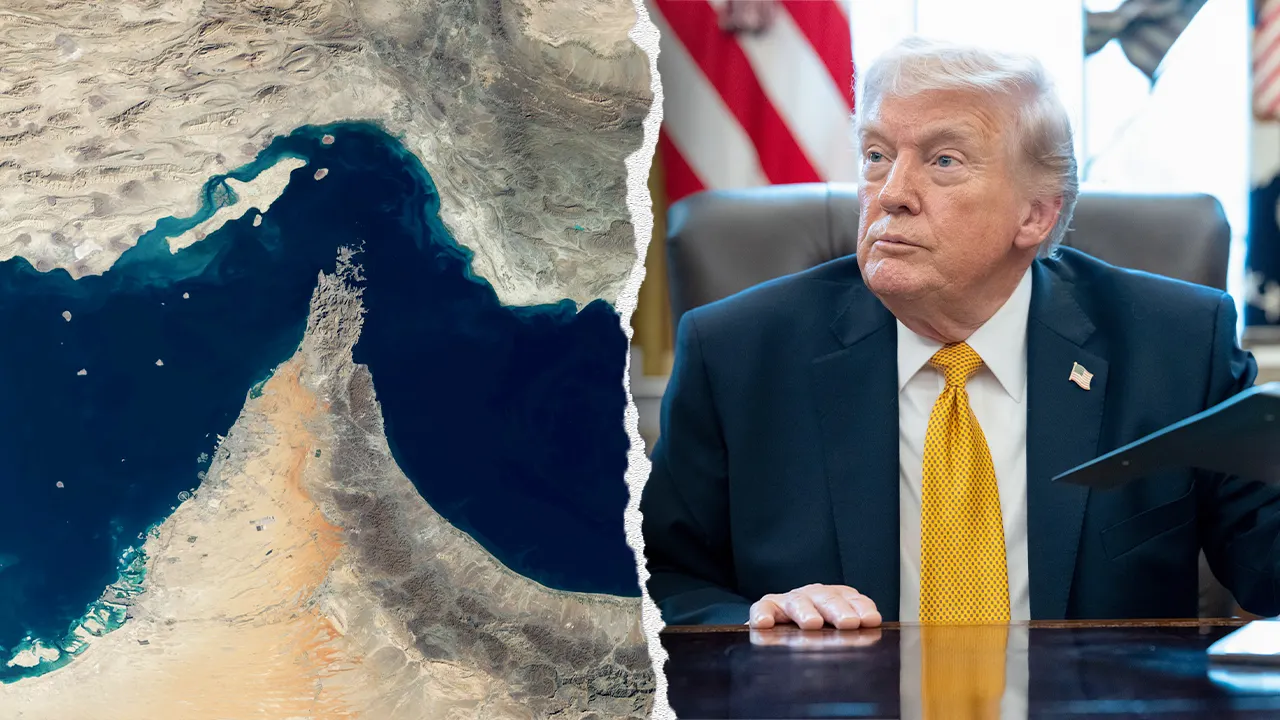
Iran’s economy remains fragile, facing high inflation and declining purchasing power. If the current maritime restrictions are maintained, economic losses could escalate to around $435 million daily, given that Iran relies heavily on oil exports through the Strait of Hormuz.
Predictions suggest that without immediate actions, Iran could face storage shortages within weeks, leading to production cuts. Independent shipping intelligence indicates that Iran’s oil exports have already declined, and they may soon need to employ older tankers to manage production.
Yaakov Amidror, a former Israeli national security adviser, argues that the blockade’s success shouldn’t solely be measured by immediate results but rather its capacity to gradually exhaust Iran’s economy over time. He believes the U.S. can effectively monitor the blockade with its extensive resources.
In contrast, Danny Citrinowicz from the Atlantic Council emphasizes a different point of view, questioning whether the blockade will lead to a quick surrender from Iran. He warns that Iran could escalate tensions in the region before facing serious economic collapse, which might drive oil prices higher and create additional political pressures globally.
As the U.S. and Iran engage in this strategic contest, the future remains uncertain. Will economic warfare lead to a swift decline in Iran’s power, or will the regime adapt and endure, potentially escalating unrest as they have in the past? The situation is complex, and many experts are watching closely.
