
U.S. Takes Stronger Stance on Iraqi Militias Linked to Iran
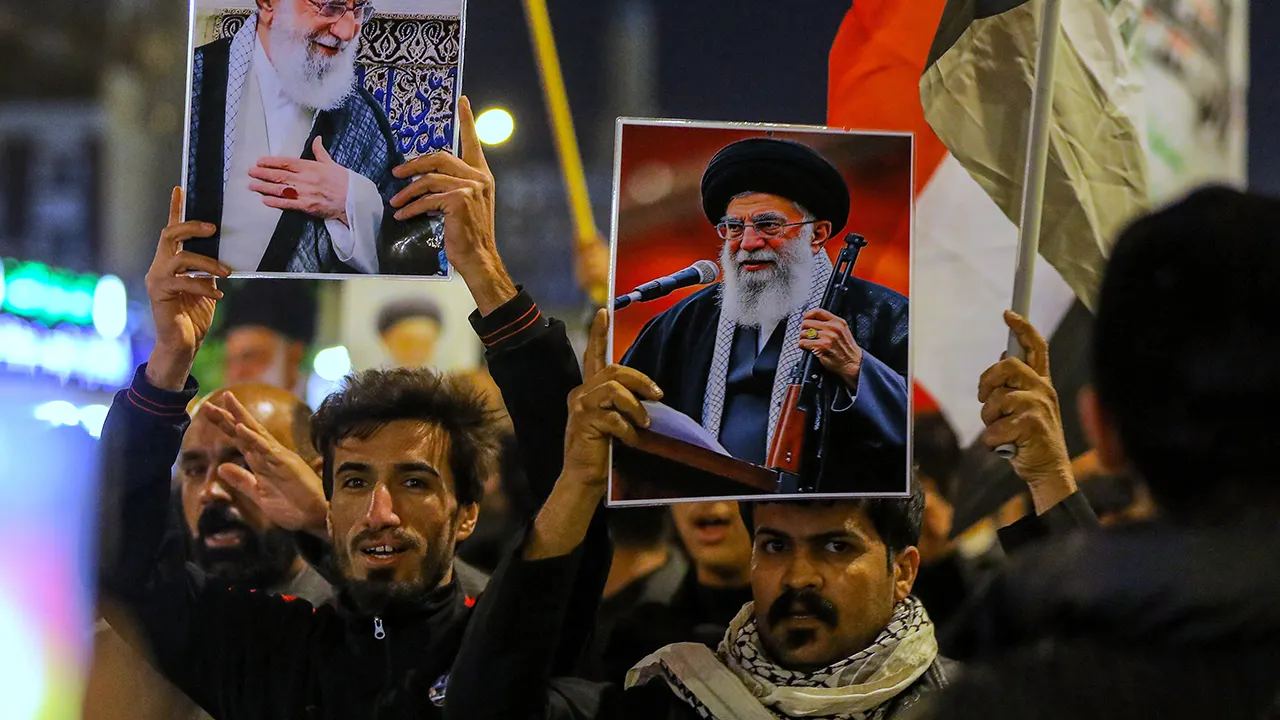
The Trump administration is intensifying its measures against Iraq, urging the disbandment of Iranian-backed militias known as the Popular Mobilization Force (PMF). These groups have been involved in ongoing attacks on U.S. personnel and facilities.
As tensions rise, the U.S. has halted shipments of dollars to Iraq, further straining the relationship between the two nations. This move comes amid broader challenges regarding Iran’s influence in the region.
A State Department spokesperson stated, “The United States is committed to countering Iran’s destabilizing actions in Iraq. We expect the Iraqi government to immediately address the threat posed by these militias.” The spokesperson pointed out that while Iraqi forces are working to counter attacks, the government’s failure to control these militias hampers U.S.-Iraq relations.
Recently, reports indicated that the U.S. also stopped crucial security programs with Iraq and suspended a significant shipment of funds linked to Iraqi oil sales. This decision plays into a larger narrative of conflict since the onset of hostilities between Israel and Iran at the end of February.
An Iraqi official emphasized the partnership between Iraq and the U.S., highlighting their shared fight against ISIS. However, the complexities of various armed factions in Iraq complicate the situation. The official noted that external actions need to consider the local context to avoid unintended consequences.
The PMF, which is largely aligned with Iran, has been accused of attacking U.S. assets in Iraqi Kurdistan, an area that has traditionally been a U.S. ally. A senior Kurdish official pointed out that the U.S. has been hesitant in using financial leverage in the past but is now drawing a clear line for Iraq.
The ongoing instability in Iraq’s leadership has put additional pressure on the government to address militia actions. Concerns over former Prime Minister Nouri al-Maliki’s potential comeback have heightened sensitivities, particularly with his close ties to Iran.
Former government spokesman Entifadh Qanbar warned that the PMF poses a significant danger to U.S. interests in Iraq. He indicated that these groups often receive government support, including official identification, aiding their movements in sensitive areas like Baghdad’s Green Zone.
To highlight the threat posed by such groups, the U.S. Department of Justice announced a $10 million bounty on a leader of a pro-Iran militia involved in attacks against U.S. diplomats. The U.S. embassy reaffirmed its zero-tolerance policy against attacks on American interests and called for immediate action to dismantle these militias.
In summary, the U.S. is stepping up its stance against Iranian-backed militias in Iraq, pressing the Iraqi government to take definitive action to ensure the safety of U.S. personnel and interests.
