Close Menu
  • Home
  • World News
  • India News
  • Business News
  • Health
  • Sports
  • Indian Diaspora In US
  • Technology
  • Bollywood
  • Education
Facebook X (Twitter) Instagram
Friday, June 12, 2026
Breaking News
  • Star Air Eyes E190 Expansion Amid Fuel Challenges in India
  • Pyxis Group, Principia Consulting, and CommodityAI Team Up for Intelligent Solutions in Commodity Operations
  • Why Anthropic’s S-1 Could Transform the Landscape for European AI Startups This Year
  • Salman Khan Faces Off with Neighbor: Bombay HC Proposes Social Media Cleanup Amid Panvel Property Clash
  • Iranians Share Heartfelt Accounts of IRGC’s Grip Amid Delicate Ceasefire
  • Indian Banks Boost Dollar Deposit Rates for NRIs
  • India Heights Security Vigilance as Hormuz Crisis Claims Lives of Three Seafarers
  • Your Go-To Guide for the 2026 Women’s T20 World Cup: Schedules, Teams, Matchups, and Streaming Info!
Facebook X (Twitter) Instagram
India Bulletin
Advertisement
  • Home
  • World News
  • India News
  • Business News
  • Health
  • Sports
  • Indian Diaspora In US
  • Technology
  • Bollywood
  • Education
India Bulletin
Home»India News»Celebrating a Century: B P Mathur’s Bold Perspectives on Modern India
India News

Celebrating a Century: B P Mathur’s Bold Perspectives on Modern India

April 18, 20263 Mins Read
Facebook Twitter Email
Share
Facebook Twitter Email


Celebrating B P Mathur: A Pillar of Chandigarh’s Architecture

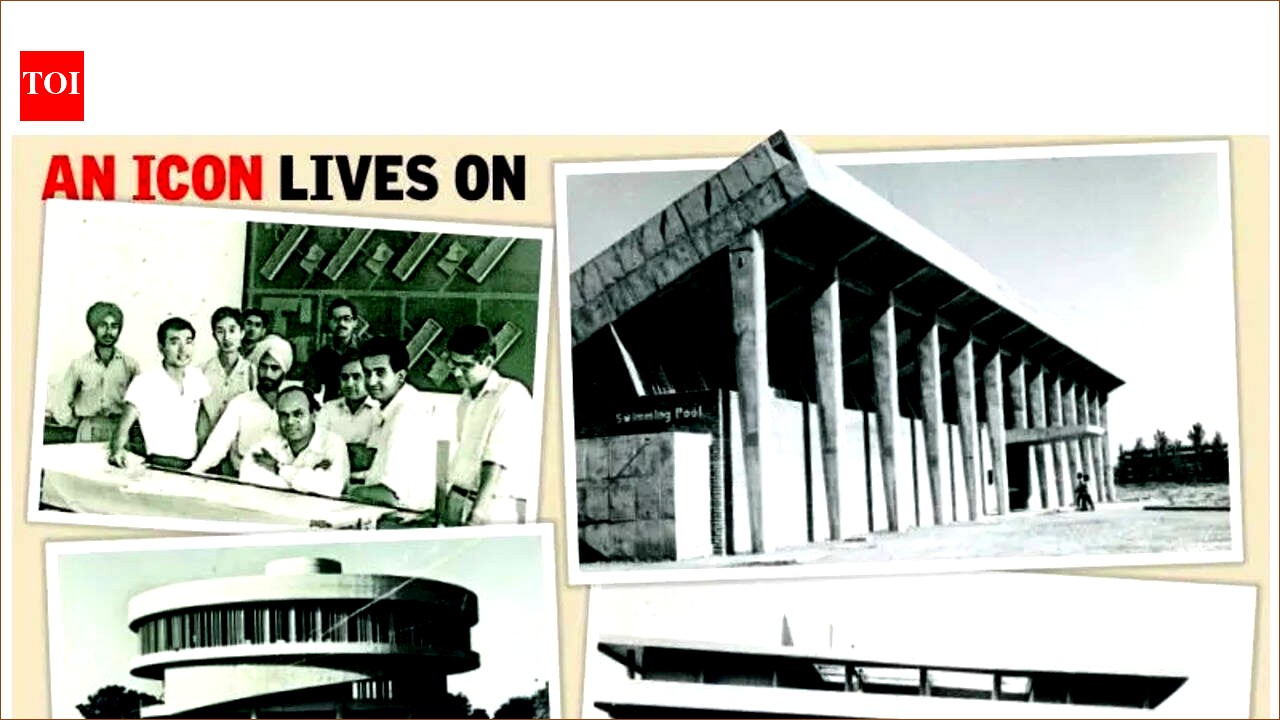
Chandigarh’s Panjab University, known for its striking architecture, owes a lot to the talent of B P Mathur. He worked alongside Pierre Jeanneret and played a significant role in designing important structures like the Gandhi Bhawan and the university library. Mathur also created several key buildings, including the Students Centre, Museum of Fine Arts, and various hostels.

Mathur graduated from the Delhi Polytechnic in 1951 and later joined the Chandigarh Capital Project as an assistant to Jeanneret. By 1958, he took on the role of senior architect for the university’s Construction Cell. Sadly, his life was cut short when he passed away in 1976 at the age of 50. Despite this, his contributions continue to be celebrated.

His journey into concrete construction began in 1951 with a deep study of Brazilian architecture that showcased the unique qualities of concrete. While at the university, he collaborated with talented engineer Agya Ram, leading to innovative designs that defined Chandigarh’s skyline.

The Students Centre, featuring a sweeping ramp, fits perfectly within its surroundings, providing a lively space for students. The plaza’s open design encourages gatherings and activities. Meanwhile, the Museum of Fine Arts is designed in red sandstone, gracefully complementing the iconic Gandhi Bhawan.

One of Mathur’s major achievements was the Law Auditorium, designed to accommodate 800 people without any columns obstructing views. This was made possible by constructing a unique RCC dome. Additionally, the open-air theatre features softly curved stone walls, creating an inviting atmosphere.

Mathur tackled challenges like the swimming pool, which included an 18-foot diving area and stadium seating. His designs for hostels prioritized comfort and community interaction, each with its own unique style.

In the distance education building, he cleverly designed sun-blocking vertical louvers to prevent heat, avoiding common issues with other shading methods. Although much of the administrative building was designed by Jeanneret, Mathur contributed essential details, like the elegantly curved porch.

His son, Tarun Mathur, recalls how his father meticulously studied geometry to create the porch’s curve, even crafting a model with jute and plaster.

B P Mathur’s work is noted for its focus on detail, clarity, and originality. His architecture is now recognized globally, celebrated for blending grand designs with a human touch. He didn’t just build structures; he helped shape the identity of modern India, showing that contemporary architecture can be ambitious yet culturally relevant.

Currently, an exhibition titled “Chandigarh’s Indian Modernists” is showcasing Mathur’s incredible works at the Government Museum and Art Gallery, reminding us of his lasting influence on Indian architecture.

B P Mathur Chandigarh architecture Chandigarh latest news Chandigarh news Chandigarh news live Chandigarh news today Indian modernism Panjab University Pierre Jeanneret Today news Chandigarh
Share. Facebook Twitter Email
admin
  • Website

Related Posts

Star Air Eyes E190 Expansion Amid Fuel Challenges in India

June 12, 2026

India Heights Security Vigilance as Hormuz Crisis Claims Lives of Three Seafarers

June 12, 2026

AI-171: One Year Later—Questions Persist, Answers Elude

June 12, 2026
  • Facebook
  • Twitter
  • Instagram
Don't Miss

Star Air Eyes E190 Expansion Amid Fuel Challenges in India

Pyxis Group, Principia Consulting, and CommodityAI Team Up for Intelligent Solutions in Commodity Operations

Why Anthropic’s S-1 Could Transform the Landscape for European AI Startups This Year

Salman Khan Faces Off with Neighbor: Bombay HC Proposes Social Media Cleanup Amid Panvel Property Clash

Started in 2004, India Bulletin is the largest and
most read South Asian publication
in Chicago and surrounding Midwest.

  • Home
  • About Us
  • Contact
  • Advertise With Us
  • Privacy Policy
  • Terms of Use
  • Disclaimer
  • CCPA
News
  • Bollywood
  • Business News
  • Health
  • India News
  • Indian Diaspora In US
  • Sports
  • Technology
  • World News
Facebook X (Twitter) Instagram

Type above and press Enter to search. Press Esc to cancel.

Accessibility Adjustments

Powered by OneTap

How long do you want to hide the toolbar?
Hide Toolbar Duration
Select your accessibility profile
Vision Impaired Mode
Enhances website's visuals
Seizure Safe Profile
Clear flashes & reduces color
ADHD Friendly Mode
Focused browsing, distraction-free
Blindness Mode
Reduces distractions, improves focus
Epilepsy Safe Mode
Dims colors and stops blinking
Content Modules
Font Size

Default

Line Height

Default

Color Modules
Orientation Modules