
Rise in Scams Fueled by AI Technology: What You Need to Know
In today’s world, artificial intelligence (AI) is advancing rapidly, and unfortunately, scammers are taking advantage of these developments. Many people are falling victim to various scams, resulting in staggering losses—over $12.5 billion!
Consumer Reports highlights the most dangerous scams and offers tips on safeguarding your finances and personal information.
Pastor Alan Beauchamp, who shares his sermons online, recently faced a setback when his Facebook account was hacked. Scammers took a video of his sermon and used AI to create deceptive content, misleading his followers into thinking he was endorsing cryptocurrency investments.
The fake message claimed, “First of all, I want to assure you my account has not been hacked. I am fully in control of my Facebook account. I believe that crypto trading offers an incredible opportunity for financial growth.” Although Pastor Beauchamp doubts anyone fell for it, many similar scams have successfully tricked countless individuals.
New data from the Federal Trade Commission unveils that over $5 billion was lost to investment scams alone last year. Scammers have become skilled in using AI for micro-targeting, impersonating individuals with fake voices, images, and videos to create convincing stories that lead people to lose money.
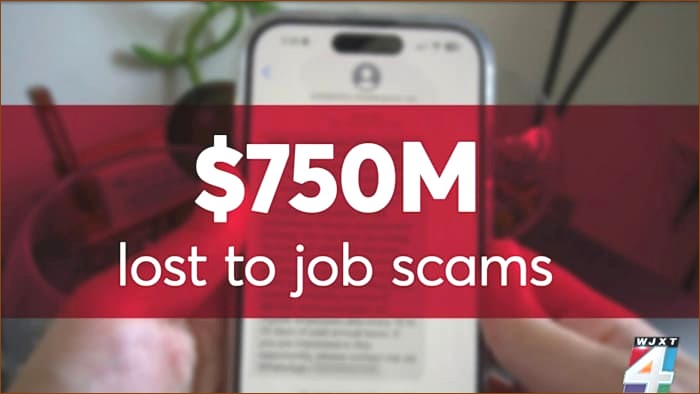
Job scams are also increasing, resulting in around $750 million in losses. Fraudsters often pretend to be legitimate employers, asking potential hires to pay upfront for equipment that never arrives.
Be cautious of unsolicited communications, whether they’re emails about job opportunities, texts from your bank, or phone calls from the IRS. Scammers often push for immediate action, so it’s wise to hang up and reach out to your bank or the IRS directly for confirmation.
Never send money or share personal details with someone you don’t know.
After some effort, Pastor Beauchamp managed to regain access to his Facebook account, thanks in part to support from his local state senator.
To better protect yourself online, Consumer Reports recommends using two-factor authentication, which adds an additional security layer beyond your password.
Additionally, Americans reported losses exceeding $16 million from online shopping scams. Always shop on well-known, secure websites and ensure your browser is set up to block phishing attempts, malware, and harmful advertisements.
Stay vigilant and protect your hard-earned money!
