
Sure! Here’s a simplified and unique version of the article:
Iran’s Military: Built to Endure, Not to Win
According to experts, Iran’s military is not meant to achieve victory in a traditional war against countries like the United States or Israel. Instead, it’s structured to withstand conflict, absorb strikes, and keep fighting over the long haul.
Recent weeks have seen a major campaign against Iran, with over 9,000 military targets hit by U.S. and Israeli forces. This includes missile sites, command centers, and weapons production facilities.
Clarity in Objectives
U.S. officials are clear about their goals. They aim to dismantle Iran’s missile capabilities, degrade its naval presence, and prevent the country from quickly rebuilding its military forces. General Dan Caine has stated that Iran’s approach is complex: while the military has suffered damage, it also retains serious capabilities.
A Dual Military Structure
Iran’s military consists of two main groups: the Artesh, which is its conventional army, and the Islamic Revolutionary Guard Corps (IRGC), created after the 1979 revolution to protect the regime. The IRGC receives more funding and better equipment compared to the regular army, making it a more influential and ideologically driven force.
Missile Capabilities Remain Strong
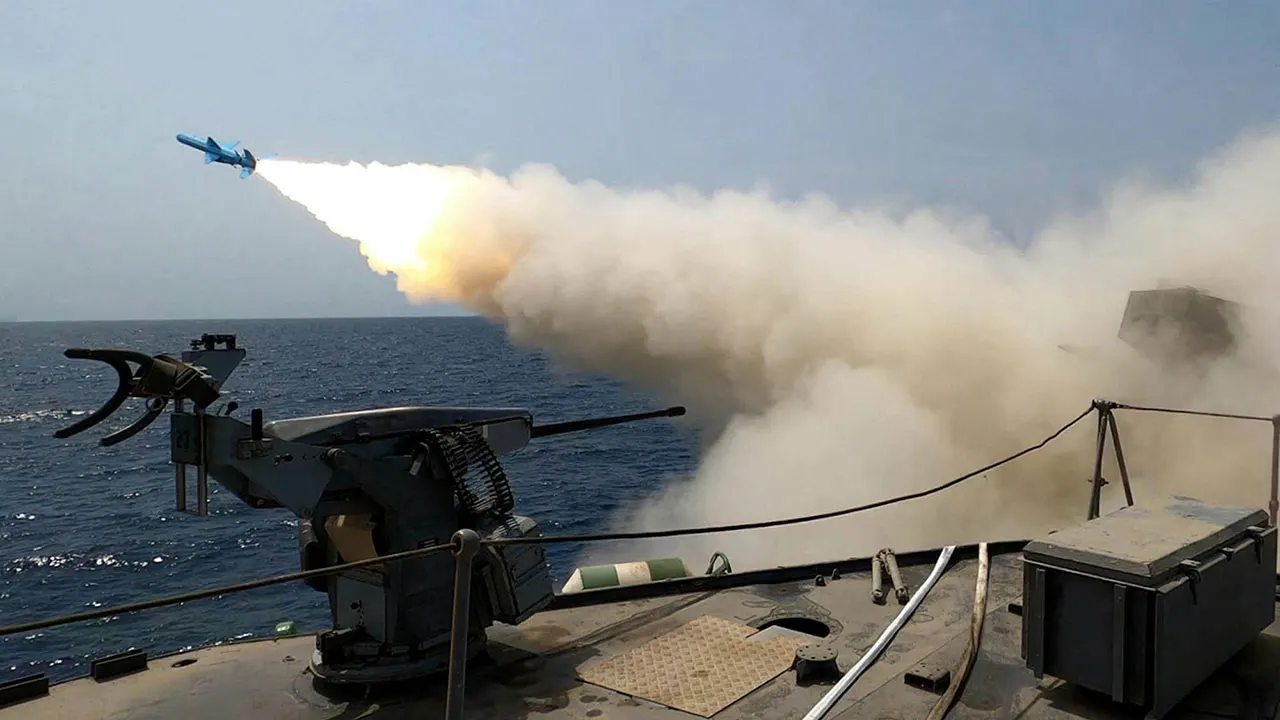
Even after significant airstrikes, Iran’s missile program remains a central component of its military power. U.S. officials report a sharp decline in Iran’s missile launches, but experts caution that Iran still holds enough capability to launch attacks in the region.
Naval Forces Disrupted but Still Active
The U.S. has damaged or destroyed over 140 Iranian naval vessels. However, Iran relies on smaller, agile boats and advanced technologies like drones and sea mines to create challenges in crucial waterways like the Strait of Hormuz. Analysts note that Iran can still selectively challenge maritime traffic, emphasizing that its naval threats are evolving rather than disappearing.
Ground Forces and Proxy Networks
Iran’s ground troops have largely avoided direct conflict, remaining in place to defend borders. Additionally, the IRGC’s Quds Force extends Iran’s military influence through proxy groups across the Middle East, providing them with support and resources.
A Military Built for Resilience
Iran’s military is designed to address internal threats and maintain the regime’s hold on power. Despite the ongoing conflict and recent setbacks, Iran still possesses enough military capacity to pose a significant threat regionally and internationally. Analysts warn that while Iran might be weakened, it remains strategically dangerous.
This rewritten article maintains the original information while presenting it in a more straightforward manner, suitable for a wider audience.
