Close Menu
  • Home
  • World News
  • India News
  • Business News
  • Health
  • Sports
  • Indian Diaspora In US
  • Technology
  • Bollywood
  • Education
Facebook X (Twitter) Instagram
Wednesday, June 10, 2026
Breaking News
  • India’s Top Edtech Giant Shifts Strategy on Student Loans
  • Camera Plummets During Football Match, Crew Just Escapes Close Call at FIFA World Cup
  • “Rising Pint Prices in the UK: What’s Behind the Surge Since the Last World Cup?”
  • Anthropic India Distinctly Sets Itself Apart from Its U.S. Counterpart
  • China’s Ride-Hailing Drivers Amp Up Competition with Karaoke and Haircuts
  • Lahore 1947 Transforms into Batwara 1947: Sunny Deol Reveals First Look and Title Ahead of August 14 Launch
  • US State Department decries rising tide of executions targeting Iranian protesters
  • Why the Indian Diaspora is Captivating American Attention
Facebook X (Twitter) Instagram
India Bulletin
Advertisement
  • Home
  • World News
  • India News
  • Business News
  • Health
  • Sports
  • Indian Diaspora In US
  • Technology
  • Bollywood
  • Education
India Bulletin
Home»Health»Health Experts Clash Over Cancer-Linked Pesticide: “Inherently Hazardous”
Health

Health Experts Clash Over Cancer-Linked Pesticide: “Inherently Hazardous”

February 27, 20263 Mins Read
Facebook Twitter Email
Share
Facebook Twitter Email


Concerns Over Glyphosate Spark Debate in Health Movement

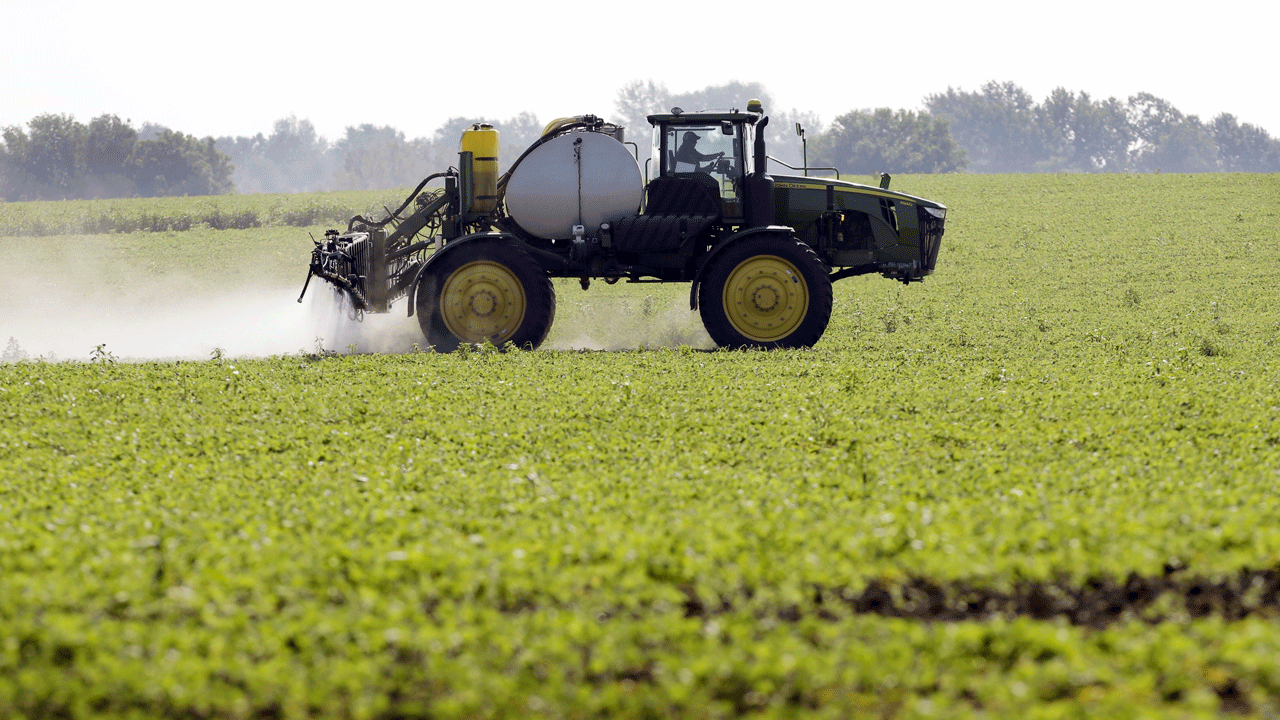
The ongoing discussion about glyphosate, a common herbicide, is causing waves within the Make America Healthy Again movement. This comes after an executive order signed by former President Donald Trump aimed at keeping a steady supply of glyphosate-based herbicides for national defense.

Supporters of the movement have been vocal about their worries, advocating for a pesticide-free lifestyle due to potential health risks linked to glyphosate. Dr. Marc Siegel, a senior medical analyst, emphasizes that there is evidence connecting glyphosate exposure to serious health issues, including neurodegenerative diseases like ALS and Parkinson’s. He suggests that limiting exposure to this chemical could be beneficial.

Siegel explained that the link to Parkinson’s might be related to how glyphosate affects gut health, potentially leading to issues in the brain over time. He also mentions increasing evidence tying high levels of glyphosate to metabolic disorders and certain cancers, such as lymphoma.

Recent studies point to glyphosate, a key ingredient in products like Roundup, as a possible risk factor for non-Hodgkin lymphoma, raising concern among experts. According to a University of Washington study, glyphosate exposure may increase the risk of this type of cancer by 41%. Additionally, an analysis by the nonprofit Investigate Midwest found that areas with high pesticide use often report cancer rates above the national average.

For instance, Iowa is noted for its significant pesticide use, raising alarms as it ranks high for cancer cases. Local residents, like Bill Billings, have shared personal stories of cancer being linked to chemical exposure.

Kelly Ryerson, who founded Glyphosate Facts and shares information about the herbicide through her platform, started her investigation into glyphosate after experiencing health problems herself. She highlighted how glyphosate is often sprayed to make harvesting easier, leading to higher levels of the chemical entering our food supply.

In 2015, the International Agency for Research on Cancer classified glyphosate as “probably carcinogenic to humans,” based on limited evidence from human studies.

A spokesperson for Monsanto, the company behind Roundup, stated they will adhere to Trump’s executive order, emphasizing the need for farmers to access essential agricultural tools like glyphosate.

Despite the support for the order, some, like HHS Secretary Robert F. Kennedy Jr., expressed concerns over the toxicity of such chemicals, cautioning that they pose risks to public health when used on a wide scale. Kennedy noted that agricultural communities often report higher cancer rates and chronic illnesses linked to chemical exposure.

As the debate continues, many are left questioning the safety and future use of glyphosate in our food systems.

cancer environment regulation Health lifestyle lymphoma maha
Share. Facebook Twitter Email
admin
  • Website

Related Posts

Shining a Light on Mental Health: DKY Foundation’s Efforts in Indiana

June 9, 2026

Diabetes Medication Shows Promise in Heart Failure Prevention for High-Risk Patients

June 9, 2026

Psilocybin Mushrooms Show Promise for Enhancing Brain Health in Alzheimer’s Patients

June 9, 2026
  • Facebook
  • Twitter
  • Instagram
Don't Miss

India’s Top Edtech Giant Shifts Strategy on Student Loans

Camera Plummets During Football Match, Crew Just Escapes Close Call at FIFA World Cup

“Rising Pint Prices in the UK: What’s Behind the Surge Since the Last World Cup?”

Anthropic India Distinctly Sets Itself Apart from Its U.S. Counterpart

Started in 2004, India Bulletin is the largest and
most read South Asian publication
in Chicago and surrounding Midwest.

  • Home
  • About Us
  • Contact
  • Advertise With Us
  • Privacy Policy
  • Terms of Use
  • Disclaimer
  • CCPA
News
  • Bollywood
  • Business News
  • Health
  • India News
  • Indian Diaspora In US
  • Sports
  • Technology
  • World News
Facebook X (Twitter) Instagram

Type above and press Enter to search. Press Esc to cancel.

Accessibility Adjustments

Powered by OneTap

How long do you want to hide the toolbar?
Hide Toolbar Duration
Select your accessibility profile
Vision Impaired Mode
Enhances website's visuals
Seizure Safe Profile
Clear flashes & reduces color
ADHD Friendly Mode
Focused browsing, distraction-free
Blindness Mode
Reduces distractions, improves focus
Epilepsy Safe Mode
Dims colors and stops blinking
Content Modules
Font Size

Default

Line Height

Default

Color Modules
Orientation Modules