
Signs of Recovery in Israel’s Tech Sector Amid Ongoing Challenges
Israel’s technology sector, crucial to its economy, is beginning to show signs of recovery after the disruptions caused by the recent conflict in Gaza. A surge in defense innovation and new investments is helping lift the industry.
According to recent data from the Israel Innovation Authority, cutting-edge technologies account for 17% of Israel’s GDP, 11.5% of jobs, and make up an impressive 57% of the country’s exports. However, this vital sector has not been immune to the turmoil that erupted in October 2023, which resulted in staff shortages and hesitance from potential investors.
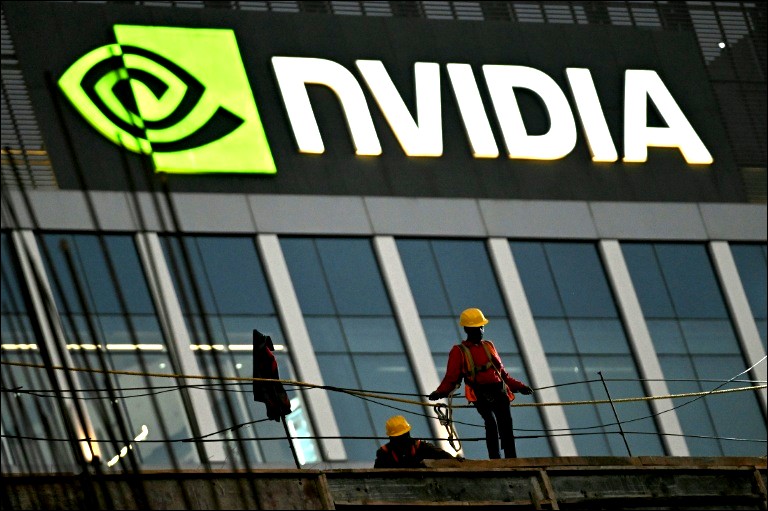
With a ceasefire largely holding in Gaza as of mid-December, interest in Israel is gradually returning. A significant move came when U.S. chip giant Nvidia announced plans to establish a vast research and development center in northern Israel. This facility could employ up to 10,000 people, signaling renewed confidence in the region’s tech landscape.
“Investors are coming to Israel nonstop,” stated Prime Minister Benjamin Netanyahu, highlighting the renewed optimism in the sector. After the difficult backdrop of war, this recovery is timely.
The high-tech industry faced considerable challenges, as around 15-20% of employees were called for military service during the conflict. Dror Bin, director of the Israel Innovation Authority, noted that many companies had to cope with significant staffing losses during this period. Additionally, air traffic disruptions affected international operations, leaving foreign investors cautious.
Unfortunately, the war also caused a talent exodus, with approximately 8,300 workers in advanced technologies leaving the country between October 2023 and July 2024, according to an IIA report. This number represents about 2.1% of the workforce in this sector.
Despite these hurdles, 2023 saw a rise in the tech sector, outpacing overall GDP growth by achieving a 13.7% increase, while GDP itself rose by only 1.8%. However, the sector’s momentum slowed significantly in 2024 and 2025, raising concerns among industry professionals.
In more encouraging news, Israeli high-tech companies attracted $15.6 billion in private funding in 2025, a jump from $12.2 billion the previous year. This revival hints at a positive turn in the industry, particularly in areas known as deep tech—an innovative realm focused on breakthroughs in fields like artificial intelligence and biotechnology, which has bounced back to pre-2021 levels.
The past years have also witnessed a boom in Israeli defense startups, with the military actively engaged in multiple fronts. The number of defense-related startups nearly doubled from 160 to 312 between July 2024 and April 2025. Many new companies joined the defense ministry’s initiatives during the conflict.
The demand for defense technologies has surged, surpassing cybersecurity as the leading focus in high-tech fields. This shift is driven not only by local needs but also global tensions, including ongoing conflicts and geopolitical issues.
As the dust settles, Israel’s tech sector is poised for a resurgence, leveraging innovation to adapt to a new reality.
