Close Menu
  • Home
  • World News
  • India News
  • Business News
  • Health
  • Sports
  • Indian Diaspora In US
  • Technology
  • Bollywood
  • Education
Facebook X (Twitter) Instagram
Wednesday, June 3, 2026
Breaking News
  • US Section 301 Investigation Tightens Grip on Indian Textile Exports
  • Roland Garros 2026, Day 11: Sabalenka Returns as Rising Indian Talent Tackles Two Matches
  • San Francisco’s Indian Mango Festival Draws Crowds of Enthusiasts
  • Romania Unveils Military Bases to Support US Defense Amid Rising Iran Tensions
  • “Nvidia: The Globe’s Leading Safety Champion?” – India Today
  • Google Launches Instant Fake Call Detection for Android Users
  • Ranveer Singh Takes Legal Action Against FWICE Over Don 3 Controversy: Sources Say
  • Salary Dispute Strikes Indian Boxing, Key Foreign Coaches Abandon Ship
Facebook X (Twitter) Instagram
India Bulletin
Advertisement
  • Home
  • World News
  • India News
  • Business News
  • Health
  • Sports
  • Indian Diaspora In US
  • Technology
  • Bollywood
  • Education
India Bulletin
Home»Health»Everyday Eye Bacteria Found to Be Connected to Alzheimer’s, New Research Reveals
Health

Everyday Eye Bacteria Found to Be Connected to Alzheimer’s, New Research Reveals

February 19, 20262 Mins Read
Facebook Twitter Email
Share
Facebook Twitter Email


A recent study has suggested that a bacterium commonly found in sinus infections and pneumonia might worsen Alzheimer’s disease. This research, published in Nature Communications, was conducted by a team from Cedars-Sinai Health Sciences University in California.

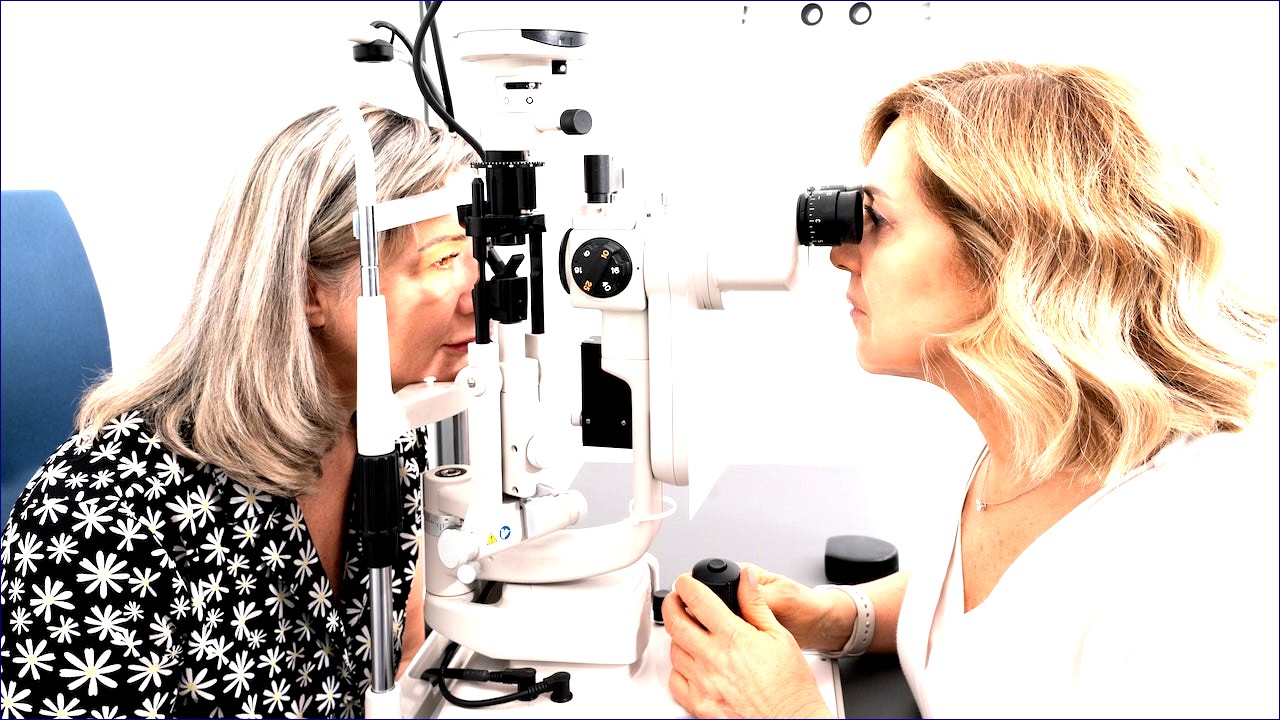
The bacterium, called Chlamydia pneumoniae, was discovered in the eyes of patients who had Alzheimer’s disease after their passing. Lead researcher Dr. Maya Koronyo-Hamaoui explained that the retina, which is part of the eye, is directly linked to the brain.

Eye-Brain Connection

The study revealed that Chlamydia pneumoniae could linger in the retinal tissue for years. This prolonged presence may trigger inflammation that relates to the death of nerve cells, potentially leading to cognitive decline and worsening Alzheimer’s symptoms.

Dr. Koronyo-Hamaoui mentioned that one of the goals of the study is to encourage doctors to consider testing for Chlamydia pneumoniae when patients exhibit symptoms of respiratory infections. Early antibiotic treatment could help mitigate the impact of the infection, she suggested.

Study Insights

Researchers examined retinal tissue samples from over 100 deceased individuals categorized into three groups: those with Alzheimer’s, those with cognitive deficits, and those without any cognitive issues. Their analysis showed that levels of the bacterium were significantly higher in brains of individuals who had Alzheimer’s compared to those with normal cognitive function.

Additionally, they found that individuals carrying the APOE4 gene variant—a known risk factor for Alzheimer’s—had higher levels of Chlamydia pneumoniae, indicating a possible connection with cognitive decline.

Expert Opinions

Dr. Aaron Glatt, a specialist in infectious diseases, noted that while the findings are intriguing, they only show an association and do not imply that infections directly cause Alzheimer’s. He emphasized that a typical sinus infection should not alarm patients about developing Alzheimer’s disease.

Dr. Sharon Fekrat from the American Academy of Ophthalmology echoed the sentiment, suggesting that the study reveals potential insights into how inflammation might influence Alzheimer’s progression. However, she and others highlighted that more research is necessary.

Moving Forward

The researchers believe the implications of their findings could lead to new ways of diagnosing and treating Alzheimer’s. For now, experts recommend maintaining a brain-healthy lifestyle, which includes managing cardiovascular risk factors and staying mentally engaged.

This early research opens new avenues for understanding the influences on Alzheimer’s but requires further exploration before establishing direct causes and treatments.

alzheimers bacteria brain health Health lifestyle medical research vision and hearing
Share. Facebook Twitter Email
admin
  • Website

Related Posts

Transforming Lives: The Impact of AI on Asthma and COPD Patients

June 2, 2026

Breakthrough Melanoma mRNA Vaccine Cuts Recurrence by 49% in Five-Year Trial

June 2, 2026

Weekly Yoga Classes Boost Sleep and Well-Being for Cancer Survivors

June 2, 2026
  • Facebook
  • Twitter
  • Instagram
Don't Miss

US Section 301 Investigation Tightens Grip on Indian Textile Exports

Roland Garros 2026, Day 11: Sabalenka Returns as Rising Indian Talent Tackles Two Matches

San Francisco’s Indian Mango Festival Draws Crowds of Enthusiasts

Romania Unveils Military Bases to Support US Defense Amid Rising Iran Tensions

Started in 2004, India Bulletin is the largest and
most read South Asian publication
in Chicago and surrounding Midwest.

  • Home
  • About Us
  • Contact
  • Advertise With Us
  • Privacy Policy
  • Terms of Use
  • Disclaimer
  • CCPA
News
  • Bollywood
  • Business News
  • Health
  • India News
  • Indian Diaspora In US
  • Sports
  • Technology
  • World News
Facebook X (Twitter) Instagram

Type above and press Enter to search. Press Esc to cancel.

Accessibility Adjustments

Powered by OneTap

How long do you want to hide the toolbar?
Hide Toolbar Duration
Select your accessibility profile
Vision Impaired Mode
Enhances website's visuals
Seizure Safe Profile
Clear flashes & reduces color
ADHD Friendly Mode
Focused browsing, distraction-free
Blindness Mode
Reduces distractions, improves focus
Epilepsy Safe Mode
Dims colors and stops blinking
Content Modules
Font Size

Default

Line Height

Default

Color Modules
Orientation Modules