
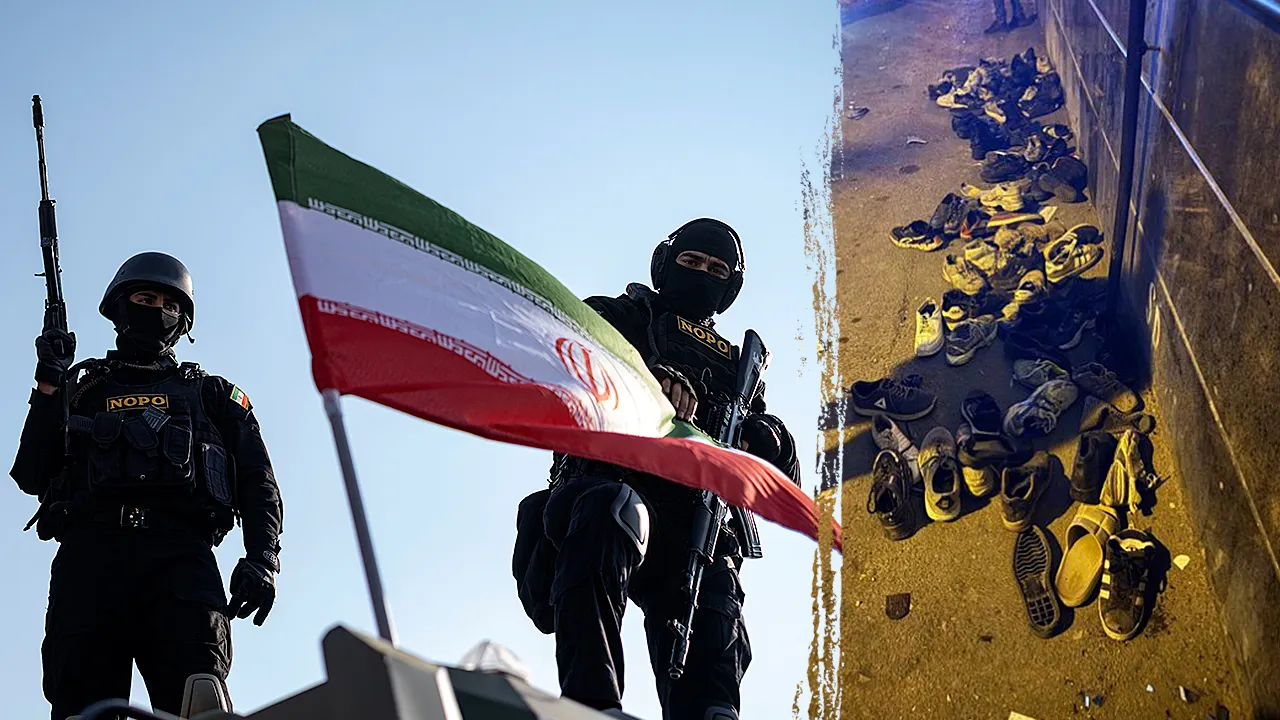
Reports from Iran Highlight Disturbing Human Rights Violations
Recent accounts from Iran have raised serious concerns regarding the treatment of detainees during ongoing protests. Eyewitnesses report instances of sexual assaults against young individuals held in custody. Additionally, families of deceased protesters have allegedly been coerced into paying as much as 10 billion rials to reclaim the bodies of their loved ones.
The National Council of Resistance of Iran (NCRI-US) stated that “barbarity continues” in the nation, claiming that prisoners have been killed and their remains disposed of in nefarious ways. This surge in violence comes after the Iranian government declared it had successfully quelled weeks of unrest fueled by public anger over political oppression, economic struggles, and state violence.
Protests erupted on December 28 and quickly spread across the country, capturing widespread attention. According to official accounts, significant unrest has led to a grim toll, with confirmed fatalities reaching 4,902 and an alarming number still unverified, at 9,387. The number of arrests has surged to 26,541, as reported by the Human Rights Activists News Agency (HRANA).
Iran’s prosecutor general, Mohammad Movahedi, asserted that the “sedition is over,” crediting the state’s response as vital in suppressing the protests. However, the narrative of calm is marred by reports of harsh realities on the ground. Families reportedly face threats to obscure the truth about the deaths of their relatives, often pressured to blame the protesters instead.
The Kurdistan Human Rights Network (KHRN) has confirmed reports of family members being driven to pay enormous sums to recover the remains of those killed during the protests. Ceremonies marking the deaths took place amidst heavy security, raising concerns over the freedom of expression and assembly in the country.
Reports of young protesters facing sexual violence at the hands of security forces in places like Kermanshah further underscore the gravity of the situation. Eyewitness accounts suggest young men and women have been forced to undress for inspections by military forces, raising alarms about abuse in detention.
As protests persist in various regions, clashes continue, particularly in cities like Kermanshah, Rasht, and Mashhad. NCRI’s Ali Safavi emphasized that despite claims of a return to normalcy, the societal wounds from the protests remain profound, with the blood of many innocent lives weighing heavily on the regime’s conscience.
The situation remains fluid, and communities are left grappling with the harsh aftermath of the state’s response to dissent.
