
Potential Side Effects of GLP-1 Weight Loss Medications on Medical Imaging
Recent research has highlighted an unexpected side effect of GLP-1 medications, such as Ozempic and Wegovy, which are popular treatments for diabetes and obesity. According to a study, these drugs might affect the results of medical imaging techniques like PET and CT scans.
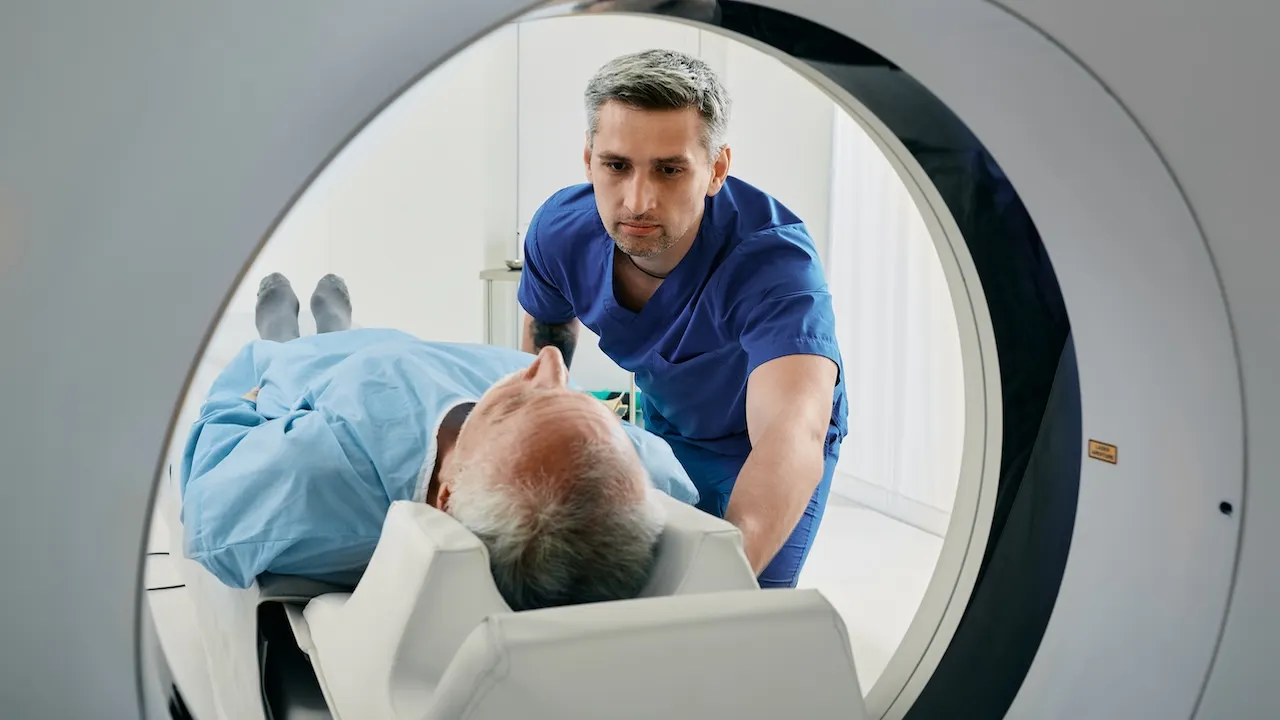
CT scans are often used by doctors to find injuries or detect tumors, while PET scans help examine how organs are functioning, including identifying cancer activity. At a recent medical conference in Barcelona, Spain, researchers reviewed cancer scan data from patients taking GLP-1 medications. Their findings indicated that some scan results appeared “atypical” and could be incorrectly interpreted as signs of disease.
Lead researcher Dr. Peter Strouhal, who works with Alliance Medical Ltd in the U.K., noted that they observed unusual patterns in one patient and decided to look more closely at others. They found this issue to be increasingly notable, but unfortunately, there is no specific guidance in the U.K. addressing this emerging concern.
Misunderstanding these altered scan results can lead to unnecessary tests, wrong cancer diagnoses, and delays in treatment, causing stress for patients. Dr. Strouhal emphasized that understanding how these medications impact scan images can help doctors provide accurate care more swiftly.
Despite these findings, the researchers do not recommend that patients stop taking their GLP-1 medications before a scan. However, they advise that imaging teams be aware of the patients’ medication history when interpreting results. The research team plans to collect more data from imaging centers worldwide to reinforce their conclusions.
Medical weight-loss expert Dr. Sue Decotiis added that while the findings are intriguing, they are still in the early stages. She highlighted the need for clarity on which specific organs or body parts might be affected.
Dr. Adam Wolfberg from Virta Health commented that since GLP-1 medications impact glucose metabolism, this could interfere with the glucose-based tracers used in PET scans. He reiterated the need for healthcare providers to consider a patient’s complete medical history, including their medications, when analyzing scan images.
In summary, while the implications of this study are still being evaluated, experts stress the importance of further research to fully understand the relationship between GLP-1 medications and medical imaging results.
