
India Collaborates with French Firm to Develop Jet Engine for Advanced Fighter Aircraft
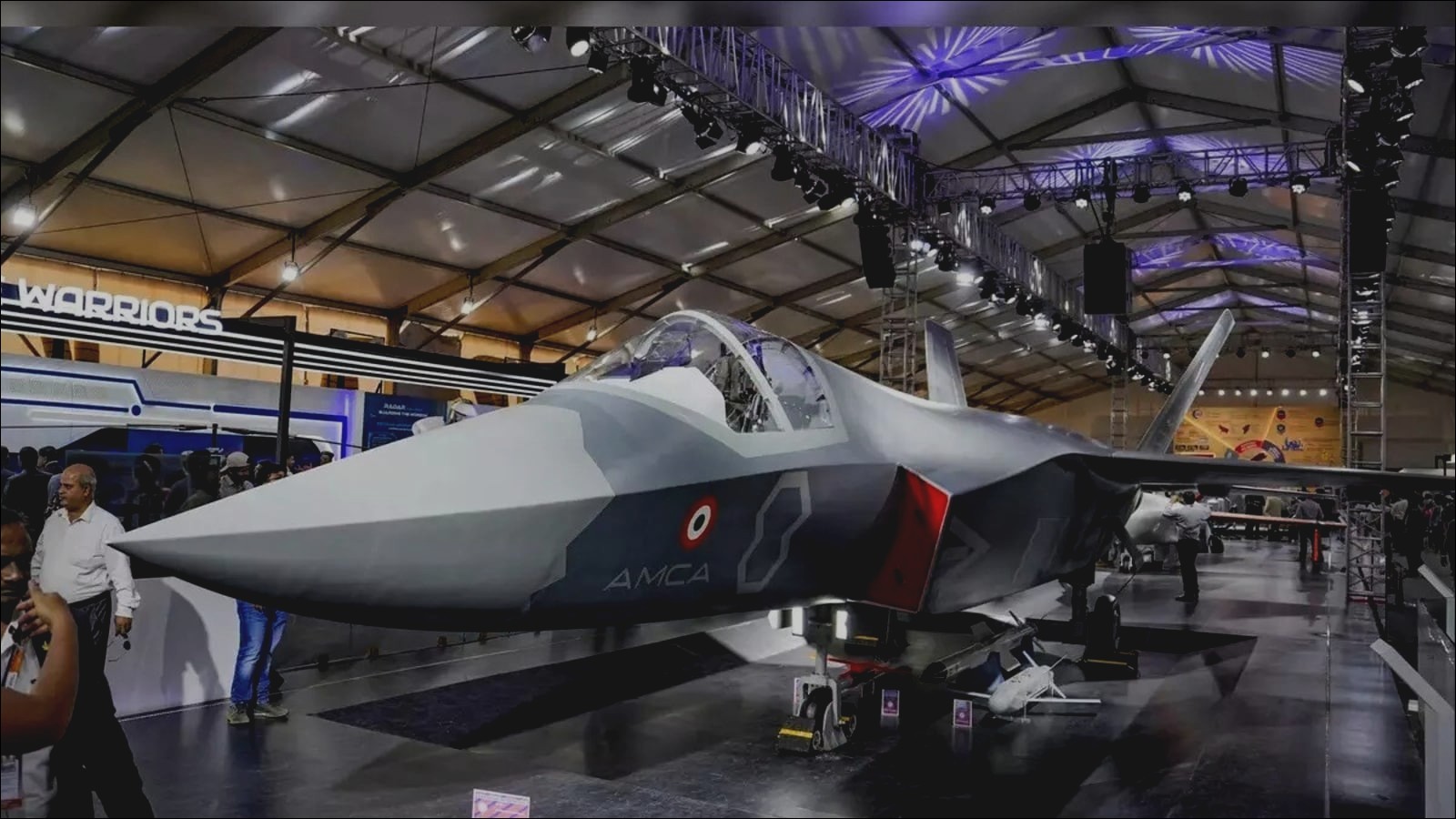
India is set to approve an important project in partnership with the French company Safran S.A. and the Gas Turbine Research Establishment (GTRE), part of the Defence Research and Development Organisation (DRDO). This collaboration aims to create a 120 Kilo Newton engine that will power India’s Advanced Medium Combat Aircraft (AMCA). This initiative comes right after Prime Minister Narendra Modi emphasized the need for homegrown jet engine development during his Independence Day speech.
Defence Minister Rajnath Singh has indicated that the country will soon take significant steps toward developing its own fighter jet engines. The project involves the design and manufacture of nine prototypes over the next 12 years. The engines will initially output 120 KN of thrust, with plans to increase this to 140 KN by the end of the development period.
The engines will be crafted in India using Indian Intellectual Property Rights (IPR), with Safran providing complete technology transfer to DRDO. This includes advanced crystal blade technology, which is crucial for creating durable and efficient engine components capable of withstanding extreme heat and stress.
The collaboration has been in discussion for the past two years, but the current government has spurred DRDO to finalize a proposal that is expected to receive high-level approval soon. The 120-140 KN engine will support India’s efforts to produce a twin-engine multirole aircraft, with private sector giants like Tata, L&T, and Adani Defence ready to contribute to this national project.
Prime Minister Modi’s push for an indigenous aircraft engine highlights the strategic importance of this technology, which has significant benefits not only for defense but also for civilian applications.
While the US, UK, France, and Russia can independently design and manufacture aircraft engines, China still relies on Russian technology for its fighter jets. India previously encountered challenges with its Kaveri engine program, which did not meet expectations.
Currently, the US company General Electric is supplying India with F-404 engines, and a new deal is set to be signed this month for additional engines. However, the technology transfer from the US is only partial, around 70%. In contrast, India sees France as a reliable partner for co-developing the new engine, given their longstanding cooperation and the absence of sanctions during India’s nuclear tests in the 1990s.
India already utilizes the M-88 Snecma engine in its Rafale fighters, making it logical to seek further collaboration with Dassault for additional fighter jets. The successful development of a 110 KN engine could significantly enhance India’s strategic capabilities by reducing dependency on foreign nations for aircraft engines.
Additionally, the Indian Navy will benefit from the new Safran-GTRE engine for its carrier-based fighter program. This initiative is expected to provide India with the necessary power for its frontline fighters in the years to come.
