
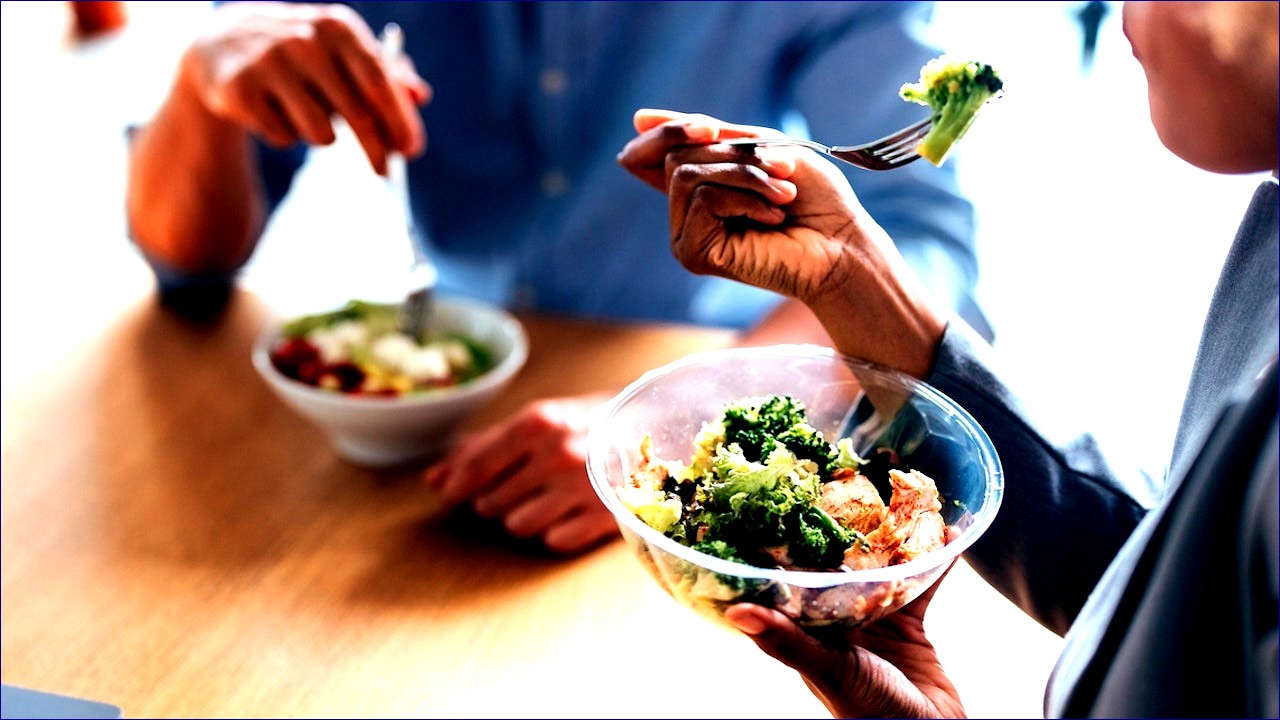
Boosting Your Diet with Broccoli: A Way to Lower Colon Cancer Risk
Recent studies show that adding more broccoli to your meals might help lower the risk of colon cancer. Researchers highlight that diet plays a crucial role in this, especially the absence of vegetables and fiber, alongside high alcohol and caffeine intake.
Broccoli, along with other cruciferous vegetables like cauliflower, kale, cabbage, and Brussels sprouts, has been thought to reduce the risk of cancer for some time. However, only recently have experts tried to determine how much of these veggies is necessary for a noticeable benefit.
These vegetables contain natural compounds called glucosinolates that break down into isothiocyanates. These substances can help keep cancer away by detoxifying the body, eliminating damaged cells, and slowing the growth of unhealthy ones.
A study conducted by researchers in China reviewed data from 17 previous studies with over 639,000 participants, of whom about 97,000 were diagnosed with colon cancer. By analyzing food questionnaires and cancer diagnoses, the study found a link between consuming cruciferous vegetables and a lower risk of colon cancer.
The results showed that those who ate the most cruciferous vegetables had a 17% lower risk compared to those who consumed the least. Eating around 20 grams daily led to a significant drop in risk, which evened out at about 40 grams per day.
While the findings were published in the journal BMC Gastroenterology, the researchers cautioned that their study has some limitations. They pointed out differences in study designs, dietary assessment methods, and the focus on participants mostly from North America and Asia, areas with higher colon cancer rates.
Dr. Marc Siegel, a senior medical analyst not involved in the study, praised the research for showing a clear connection between a diet high in cruciferous vegetables and reduced colon cancer risk. He emphasized the benefits of the fiber and antioxidants found in these vegetables, especially the glucosinolates, which turn into cancer-fighting isothiocyanates in the body.
Dr. Siegel also mentioned that he recommends the Mediterranean diet, which includes plenty of these healthy vegetables. He underscored the need for more research in different regions, especially where dietary patterns and colon cancer rates may differ.
With nearly two million cases and 903,859 deaths from colon cancer globally each year, adopting a healthier diet, particularly one rich in vegetables like broccoli, could be a vital step in prevention.
