
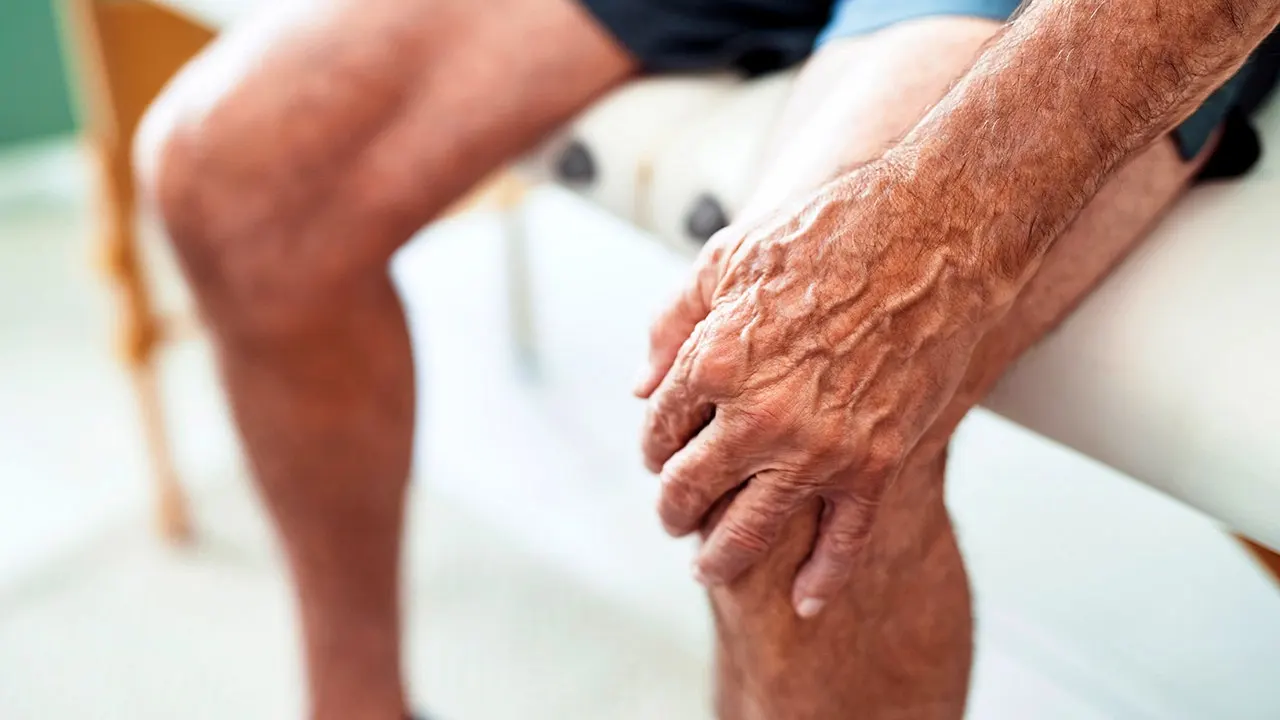
A new non-surgical treatment for knee osteoarthritis is showing promise in helping patients find lasting relief from pain. In a recent clinical study involving 194 participants, about 80% reported significant reductions in knee pain that lasted for at least a year after the procedure.
This finding offers hope for many adults living with chronic joint pain who are either unable to take pain medications or steroid injections, and who wish to avoid knee replacement surgeries. Osteoarthritis, a condition that wears down the cartilage in joints, causes the body to create extra blood vessels around the knee. These additional vessels can lead to increased inflammation and discomfort, making daily movements painful.
The treatment in question is called genicular artery embolization (GAE). This procedure works by temporarily blocking excess blood vessels to reduce inflammation and numb the pain signals. The exciting part is that it does not require major surgery or permanent devices. The treatment uses small gelatin particles that dissolve over time, leaving no foreign material in the body. If more widely adopted, GAE could represent a low-risk option for patients who want to remain active while preserving their joint function.
Dr. Florian Nima Fleckenstein, a key researcher in the study, commented that there is a significant need for effective treatments for knee osteoarthritis. He emphasized that GAE, which uses resorbable gelatin microspheres, is a safe, minimally invasive option that has shown beneficial results in terms of pain relief and improved function for participants over the course of a year.
During GAE, doctors guide a thin tube into the blood vessels near the knee joint using real-time X-ray imaging. They then release tiny particles to help reduce excess blood flow in the inflamed areas, which helps relieve pain.
Study participants went through 239 procedures, and none reported severe complications. Only a small percentage experienced mild side effects like brief skin discoloration or minor bruising, which resolved on their own.
The results of the study indicate that those who received the GAE treatment not only experienced significant pain relief but also improved their ability to engage in daily activities, such as walking and climbing stairs. Overall, quality of life scores more than doubled within a year.
However, researchers pointed out some important limitations in the study. Notably, there was no control group to compare the GAE treatment with a sham or placebo procedure, making it hard to conclude the benefits solely from the treatment. Additionally, the follow-up period was only one year, so further research is needed to explore how long the relief lasts and how often repeat treatments may be needed.
While GAE presents a promising approach to managing knee osteoarthritis symptoms, it is not a cure. The procedure does not repair damaged cartilage or reverse any joint structural issues. Larger, randomized trials are underway to confirm these initial findings and assess the long-term effects of the treatment.
