
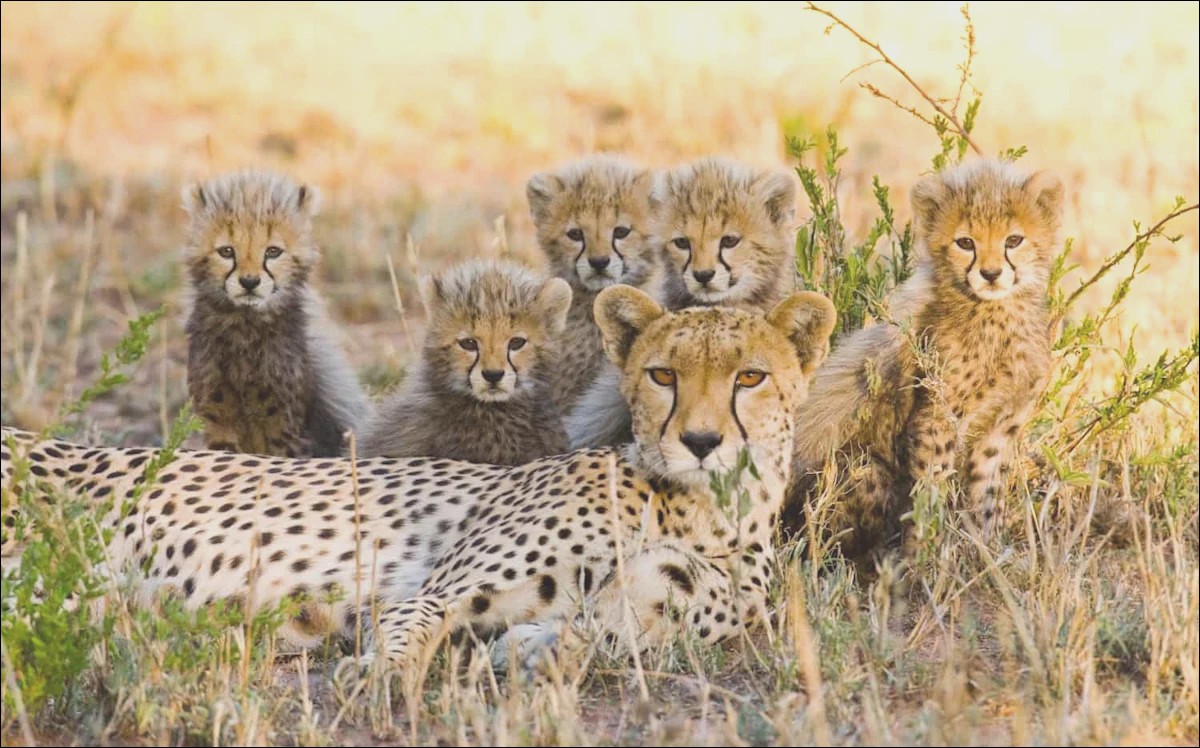
India Sees Hope as Cheetah Cubs Are Born After Decades of Extinction
Cheetahs are making a comeback in India after being declared extinct in 1952. The recent birth of nine adorable cubs is exciting news for wildlife enthusiasts and conservationists alike. KGP12, a cheetah born in India through the innovative Project Cheetah, has now given birth to cubs that are also Indian-born, marking a significant milestone.
In just two months, KGP12 gave birth to four cubs in September 2026, followed by five more cubs born to another female cheetah, KJP21, in October 2026. This brings India’s total cheetah population to 60, with 41 of those cubs born in the country since the project began. But what exactly is Project Cheetah, where did the cheetah population decline, and what steps are being taken to restore it?
Cheetahs in India: A Population on the Rebound
The cheetah’s extinction in India dates back to 1952. The last confirmed sightings were of a few cheetahs shot in the forests of Chhattisgarh in 1947. For years, the possibility of reintroducing cheetahs in India remained a topic of discussion without any real action. However, that changed on September 17, 2022, when eight cheetahs from Namibia arrived at Kuno National Park, marking a groundbreaking effort to restore the species.
Following this, 12 more cheetahs were brought in from South Africa in early 2023, and nine cheetahs from Botswana arrived in February 2026. Under the supervision of the National Tiger Conservation Authority and the Madhya Pradesh Forest Department, this initiative has focused on gathering a healthy genetic mix for the new population.
In 2023, the first cubs born in India in over 70 years marked a hopeful turnaround, with several litters being born since then. The recent births in September and October continue to inspire optimism for the future of cheetahs in the region.
The Importance of Native Cubs
The recent births by KGP12 represent more than just new additions to the population. They underscore the importance of establishing a self-sustaining cheetah population that can thrive without heavy human intervention. These cubs have adapted to the Indian environment, learning to hunt and survive in their natural habitat—an encouraging sign of resilience.
KGP12 is not merely a translocated cheetah; she was raised in Kuno, learned to thrive there, and successfully produced cubs. This success is vital in proving that cheetahs born in India can reach reproductive maturity and will contribute to a stronger, self-sustaining community over time.
Evaluating Project Cheetah’s Progress
While the recent births are promising, the overall success of Project Cheetah is still being assessed. Early challenges included the unfortunate loss of several cheetahs post-translocation due to various health issues and stresses related to adapting to a new environment. A male cheetah named Pawan tragically drowned in 2024, sparking discussions about the high mortality rates often associated with such ambitious conservation efforts.
Even though the government aims for a self-sufficient cheetah population by 2032, the current count of around 60 animals mostly residing in one national park presents challenges for long-term viability. Experts generally recommend that large carnivores require a significantly larger population spread across various landscapes to truly thrive.
Moving Forward with Cheetah Conservation
To achieve a sustainable cheetah population, Project Cheetah is expanding as part of its long-term plan. New locations like the Gandhi Sagar Wildlife Sanctuary and potential sites in Rajasthan are set to become future habitats for these magnificent animals.
The recent births of cheetah cubs signal a hopeful outlook for India’s wildlife conservation program. As the project continues to grow, the focus remains on nurturing more cubs, fostering second-generation births, and increasing the number of cheetahs that are completely acclimated to Indian conditions.
In the coming years, the success of Project Cheetah will hinge on whether the population can expand beyond the current figures and establish a truly wild population across a wider area. With the latest arrivals bringing joy and excitement, the journey of restoring India’s cheetah population is a significant undertaking worth watching.
