
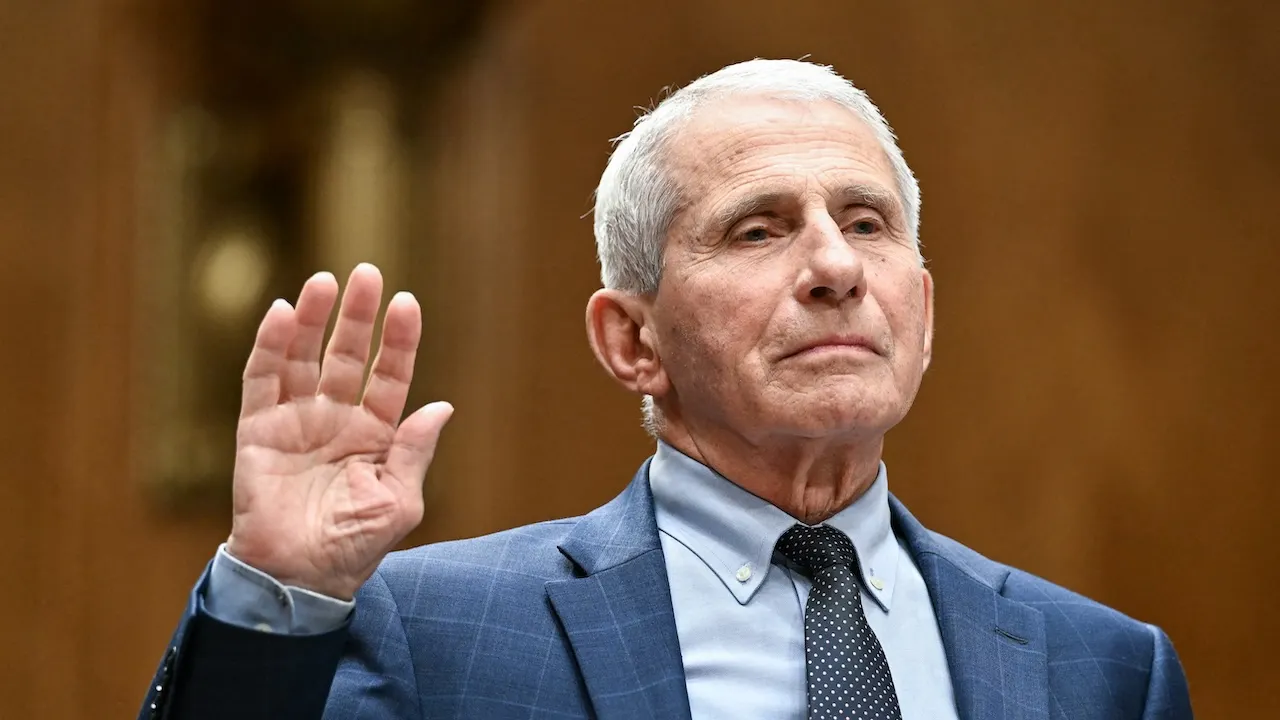
New Texts Spark Questions About Fauci’s COVID-19 Messaging
Recently uncovered text messages from Dr. Anthony Fauci are raising new concerns about his management of COVID-19 information during the pandemic, as observed by Dr. Marc Siegel, a senior medical analyst.
These messages, released by Senators Ron Johnson and Rand Paul, provide insights into Fauci’s private conversations with other health officials as they dealt with the changing landscape of the coronavirus.
In a recent interview, Siegel suggested that Fauci sometimes appeared too rigid in his thinking and was slow to adjust as new scientific evidence emerged. He pointed out that while Fauci is respected as a leading immunologist, he often strayed from his areas of expertise, particularly regarding lockdowns, school closures, and masking policies.
Siegel remarked, “I think he was sticking to some ideas despite evidence that suggested otherwise.” This inability to adapt quickly led to perceptions of inconsistency in his messaging.
Vaccination During Pregnancy
Newly revealed texts also brought up the sensitive topic of COVID-19 vaccination for pregnant women. Siegel affirmed his support for vaccines, including the mRNA types, emphasizing their benefits. However, he cautioned that as the virus mutated and vaccines became less effective, the public discussion needed to evolve as well—a shift he feels Fauci may have not embraced quickly enough.
“It was reasonable to recommend vaccination during the early days of the pandemic,” Siegel explained. “But as time went on and more data emerged, discussions should have also progressed.”
He noted that concerns about potential links between vaccinations and adverse pregnancy outcomes were not handled swiftly enough in the public discourse.
Adjusting Guidance and Public Trust
Siegel expressed that a significant issue arose when policies surrounding vaccination did not keep pace with changing scientific data. He pointed out that “the mandates continued,” which contributed to growing public distrust.
When asked about the disparity between Fauci’s private and public discussions, Siegel admitted there seemed to be more difference than he would have liked. He believes that clear and consistent messaging is crucial during such critical times.
“Where was the evolution of guidance?” he asked. “Did it develop into a rigid approach instead of adapting to new information?”
While he encourages accountability, Siegel also reminded everyone to consider the context of decisions made during the pandemic, recognizing that much was unknown at the time.
In summary, these newly released texts highlight the ongoing debates regarding health policy and communication during a rapidly evolving crisis. They serve as a reminder of the vital need for flexibility and humility in guiding public health based on the best available information.
