
India’s Journey Towards a Home-Made Fighter Jet Engine
India’s efforts to develop its own fighter jet engine have entered a crucial stage. In a discussion with anchor Aayesha Varma, Executive Editor Shishir Gupta highlighted how a partnership between Safran and the Defence Research and Development Organisation (DRDO), along with a push for local manufacturing and involvement from private companies, has turned Prime Minister Narendra Modi’s vision for an indigenous fighter jet by 2025 into a tangible plan.
From Vision to Reality
During his Independence Day speech in 2025, Prime Minister Modi called on India’s defense sector to create a fighter jet powered by a domestic engine. A year later, Gupta noted real progress has been made with specific projects and deadlines set.
On the aircraft front, proposals for the Advanced Medium Combat Aircraft (AMCA) have shifted focus to the private sector. Major players like Tata, Bharat Forge, and Larsen & Toubro (L&T) are now involved, working on India’s next multirole stealth fighter. Meanwhile, a joint venture initiative for the engine between Safran and GTRE is currently awaiting approval from the Cabinet Committee on Security, expected before August 15, 2026.
This engine is estimated to initially produce a thrust of 120 kN, with plans for nine prototypes to undergo testing. There’s also an upgraded version in the pipeline, aiming for 140 kN to eventually power future advanced fighter jets. Importantly, India would maintain complete ownership of the engine’s technology, moving away from its historical reliance on foreign nations like Russia and France.
Transforming Technology Partnerships
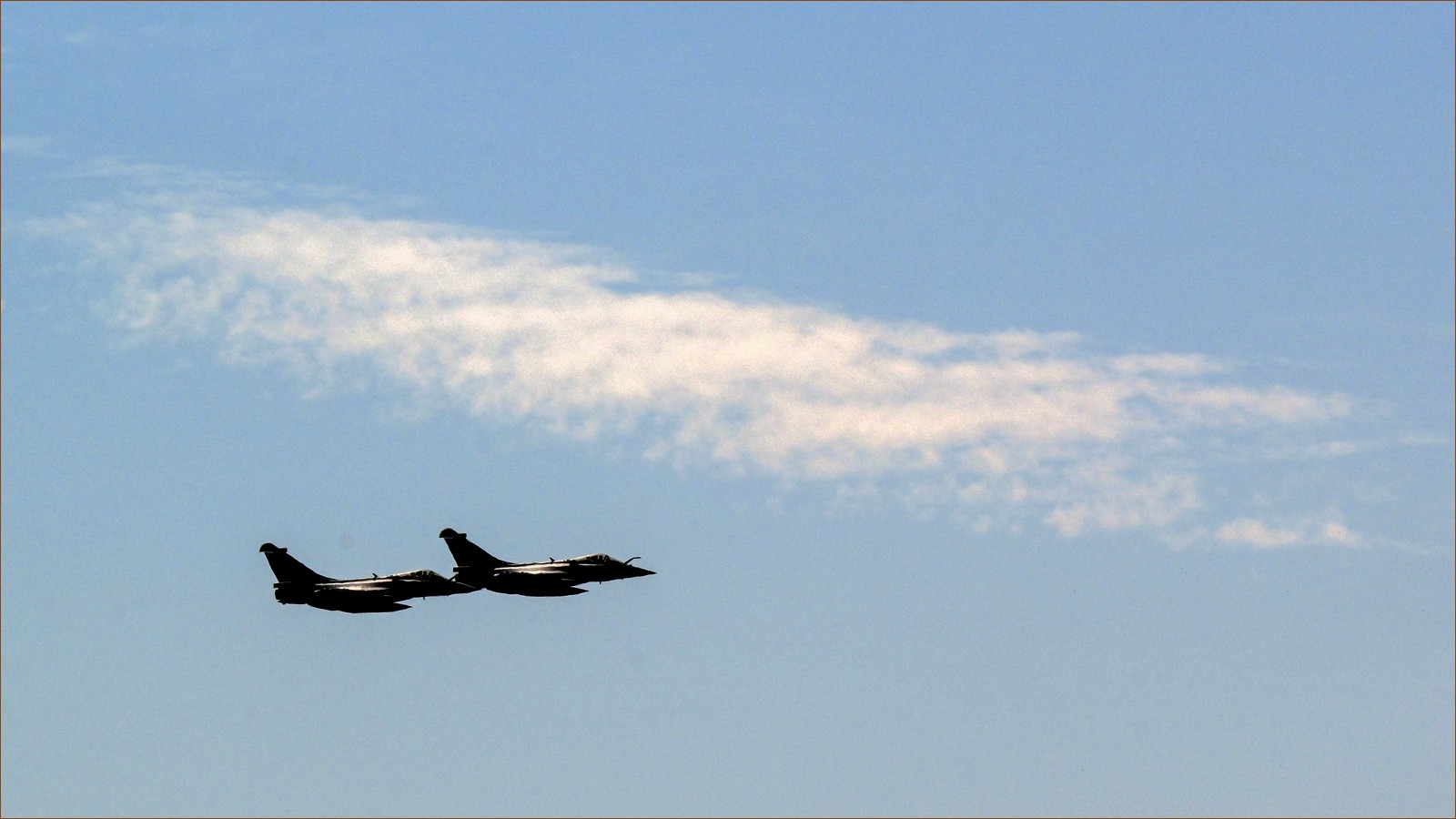
Gupta explained that the Safran agreement is part of a larger narrative of missed chances and gradual progress. India previously acquired 36 Rafale fighters powered by Safran engines, but opportunities to co-produce these engines or collaborate on future systems were missed due to delays in decision-making.
India has often relied on imported engines for its air force, without gaining access to crucial components and technologies that signify true independence in engine manufacturing. Recent deals with the U.S. for F404 and F414 engines were a step forward, but they also fell short in terms of technology transfer.
If the Safran–GTRE project goes ahead as planned, it would place India among a select few nations capable of designing and manufacturing modern fighter engines, a significant development for national security.
Swift Action Required
India faces competition from China’s rapid advancements in military aviation. Gupta pointed out that China began by reverse-engineering foreign engines and has since developed its own, such as the WS-10 and WS-15 engines powering its fifth-generation fighter jets. These advancements pose a stark challenge to India.
Gupta stressed that India’s defense sector cannot afford to lag behind due to slow processes. There is an urgent need for quicker decisions and streamlined operations if India hopes to keep up in the regional defense landscape.
Diverse Strategies for Engine Development
The Safran joint venture is just one aspect of India’s broader engine development strategy. Gupta highlighted that the DRDO’s Kaveri engine program has struggled in the past but is now back on track with a target thrust of 80 kN. This engine will serve as a prototype for future developments, though the costs are high.
For the immediate future, India is still reliant on U.S.-manufactured engines. A recent contract for 212 GE F404 engines will support the Tejas aircraft, although there have been delays due to supply chain issues. A joint production agreement with GE for the F414 engine aims to support the Tejas Mk2 and AMCA fighter jets, although technology transfer may be less than initially promised.
Overall, combining the Safran–GTRE initiative, the revival of the Kaveri engine, and U.S.-powered aircraft will allow India to diversify its engine development efforts.
The Bigger Picture in Airpower
As the conversation shifted, it became clear that India currently lacks a fifth-generation fighter jet while China operates the J-20. The Indian Air Force has expressed interest in acquiring such aircraft, but the choice is complicated.
Gupta pointed out that recent conflicts, like the ongoing Iran-U.S. tensions, have highlighted the vulnerabilities of expensive stealth fighters to cheaper missiles, raising questions about the wisdom of investing heavily in manned stealth aircraft.
The broader discussion involves weighing the benefits of fifth-generation fighters against investments in long-range missile systems and unmanned combat drones. These elements are becoming more essential in modern warfare, especially as advanced missile technology becomes commonplace.
Gupta expressed optimism about the role of the private sector in revolutionizing India’s defense capabilities. With the right reforms, India could not only achieve self-reliance but also position itself as a significant supplier in the global arms market.
In this context, the Safran–GTRE engine initiative represents more than just a technical endeavor; it’s a critical test of India’s ability to achieve genuine independence in airpower and adapt to the changing nature of global defense.
