
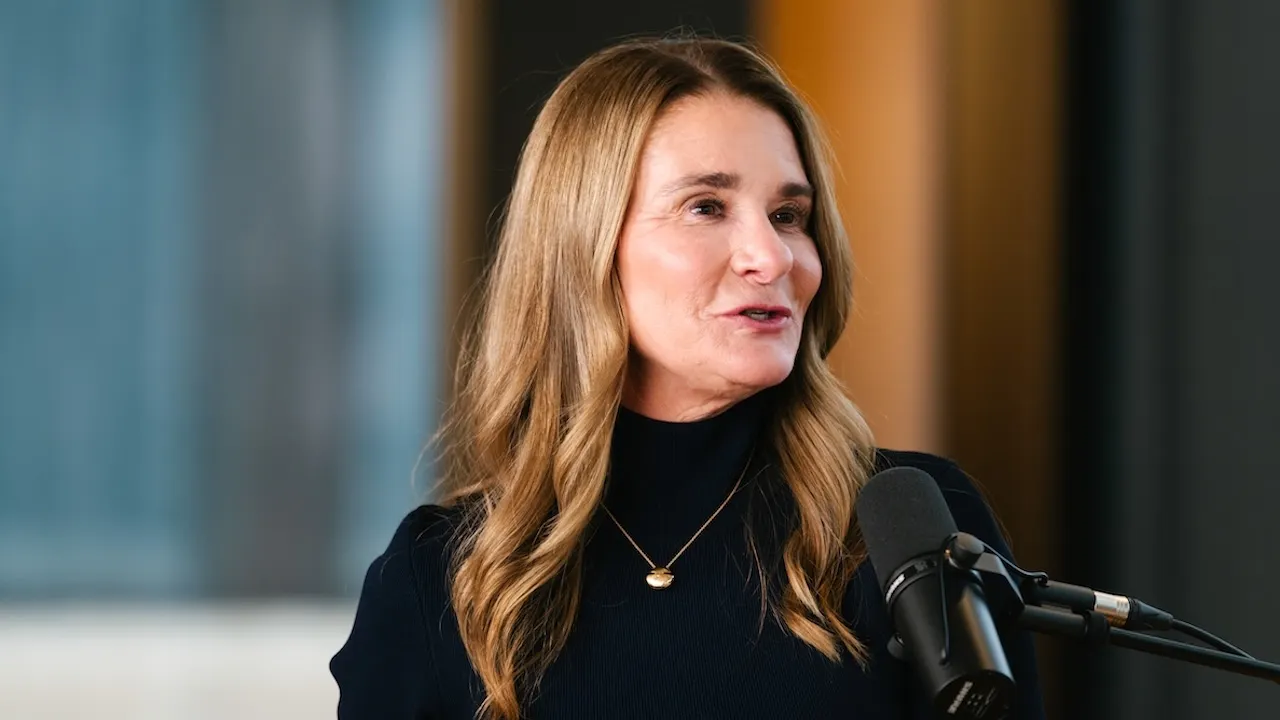
Melinda French Gates Highlights Perimenopause Challenges
Melinda French Gates recently shared her journey with perimenopause on journalist Norah O’Donnell’s podcast, “Healthful.” She revealed that it took her three doctors to finally receive the right diagnosis and treatment.
At 61 years old, French Gates reflected on how she began experiencing menopause symptoms in her early 40s, noting that it felt quite surprising. She expressed her disbelief that, despite her privilege and access to quality healthcare, it took multiple medical professionals to understand her situation.
She mentioned an important fact: many OB-GYNs don’t have extensive training in menopause care, which points to a significant gap in women’s healthcare services. A 2023 national survey published in the journal Menopause confirmed her statement, showing that only about a third of U.S. OB-GYN residency programs offer a structured menopause curriculum.
Moreover, a study in 2024 found that many medical residents lack the knowledge and confidence to manage menopausal symptoms effectively. In another survey of 2,000 women, just 25% felt adequately informed about perimenopause by their healthcare providers.
French Gates noted that, although she was fortunate to recognize the symptoms thanks to guidance from older friends, it underscores a broader issue in medical education. “It was surprising to me that in such a privileged position, it took so long for me to get the right care,” she stated.
Research suggests that increasing education in this area could lead to better outcomes. For instance, knowledge scores in medical training improved significantly when a structured menopause curriculum was provided.
Perimenopause can cause various symptoms as hormone levels change, including irregular periods, hot flashes, mood swings, sleep disturbances, and more. Approximately 1.3 million women reach menopause in the U.S. each year, most starting the transition in their 40s.
As Melinda French Gates continues to advocate for better awareness and education around menopause, her experience shines a light on the urgent need for improved healthcare resources for women.
