
Amit Shah Reviews High-Level Committee on Demographic Changes
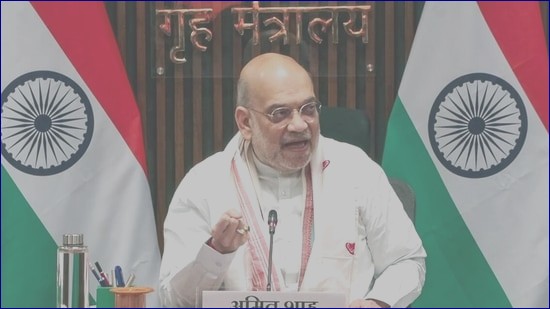
New Delhi: On Saturday, Union Home Minister Amit Shah held a meeting to review the progress of the new high-level committee formed to study demographic changes in the country. He emphasized the importance of providing all necessary support for the committee’s work, including facilitating visits to border areas, major cities, and industrial towns.
During the meeting with senior officials from the Ministry of Home Affairs, Shah directed them to ensure that the committee receives the logistical and administrative help it needs. The committee was established last month to investigate demographic shifts caused by illegal immigration and other unusual factors.
A Ministry official shared that the meeting included top officials like Home Secretary Govind Mohan and Intelligence Bureau Chief Tapan Deka. Shah instructed them to make sure that panel members have access to important documents and can coordinate their efforts with state governments.
The committee will not only look at changes in border areas but will also extend its examination to metropolitan regions and industrial towns. Local administrations in various states and Union Territories will assist the committee during its visits.
This high-level committee, announced on May 26, is chaired by retired Supreme Court Judge Justice Prabhakar Naolekar. Other members include Census Commissioner Mritunjay Kumar Narayan, retired IAS officer Durga Shankar Mishra, retired IPS officer Balaji Srivastava, and economist Shamika Ravi.
Officials mentioned that the committee has already met and set its agenda. It is expected to submit its report within a year, according to a statement from the Home Ministry.
Amit Shah noted that demographic changes present serious challenges related not only to national security but also to law and order, social stability, and the preservation of tribal communities. He explained that the committee’s role is to thoroughly assess these changes driven by illegal immigration and other unusual circumstances, analyze population shifts among different religious and social groups, and provide time-sensitive solutions.
The Home Ministry stated that the committee will conduct a scientific evaluation of demographic changes across India, understand their causes, and recommend appropriate policy, legislative, and administrative actions. Additionally, it will suggest ways to improve coordination between the central and state governments regarding illegal immigration and demographic discrepancies.
The committee has been authorized to request information and documents from various governmental bodies and can form sub-committees or working groups as needed, with prior approval. The Ministry also indicated that some demographic changes observed are not merely due to regular birth and death rates but are influenced by illegal immigration and other irregular factors. The effects of these shifts are evident not just in border districts, but also in urban centers, industrial regions, and tribal areas.
