
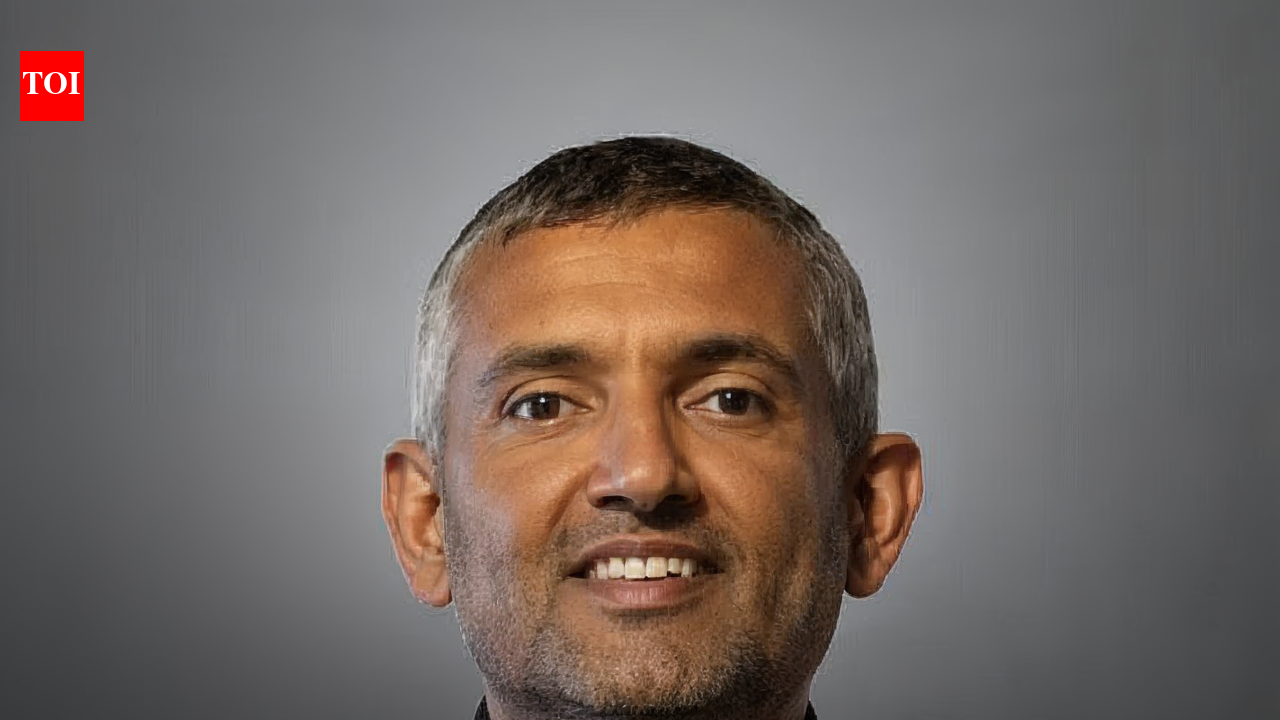
AI’s Role in Shaping the Future of Work: Insights from Genpact’s Vijay Vijayasankar
Vijay Vijayasankar, the Global Agentic AI Officer at Genpact, is at the forefront of promoting AI innovations within the company. With a solid background from companies like IBM and SAP, Vijay holds both a mechanical engineering degree and an MBA from the University of Kerala. Recently, he shared insights into how Genpact is embracing AI and how it influences their operations.
Genpact is transitioning from traditional business process outsourcing (BPO) to a model focused on “AI-driven autonomous operations.” This change isn’t just about creating a new revenue stream; it’s about integrating AI into everyday work processes. Currently, nearly half of Genpact’s services utilize AI, emphasizing its critical role for clients. The focus is shifting from conventional contracts to outcomes, such as automated invoice processing or quicker financial reporting.
Vijay pointed out that Genpact has extensive experience in managing various functions for global businesses. This expertise allows them to offer unique AI solutions that differ from standard software or service contracts. The goal is to streamline work processes so that humans can focus on complex problem-solving rather than repetitive tasks. For instance, in just a year, the Genpact Accounts Payable Suite saw a notable increase in demand, with many inquiries coming from new clients, indicating significant market growth.
As roles evolve due to AI’s introduction, Genpact employees are becoming what Vijay describes as “AI Practitioners.” This includes not only those who build AI systems, like data engineers, but also domain experts in areas like finance who now work alongside AI technologies.
Vijay also addressed concerns about job losses due to AI advancements. He argued that AI is more about enhancing roles rather than eliminating them. For example, programming jobs are not declining; instead, the repetitive aspects are outsourced to AI, allowing engineers to focus on more strategic work. As employees adapt, many are being retrained to manage AI workflows effectively.
Interestingly, the typical equation of revenue growth tied directly to headcount is changing at Genpact. Instead of needing to hire more employees to increase revenue, the focus is now on developing AI capabilities. This strategy enables them to grow with fewer new hires while still investing in talent.
Clients are also shifting their expectations. They are increasingly interested in outcome-based models rather than simply buying services based on hours worked. This trend is enhancing profit margins while ensuring that clients achieve better results.
As industries evolve, Vijay sees a combined future where AI, consulting, and operations work seamlessly together, promoting a more integrated approach to business solutions. His role aims to lead this transition into a more autonomous model for organizations.
In summary, with the rapid integration of AI, the workforce landscape is changing. Companies like Genpact are at the forefront of this transformation, focusing on smart collaboration between people and machine intelligence to create a more effective and efficient work environment.
