
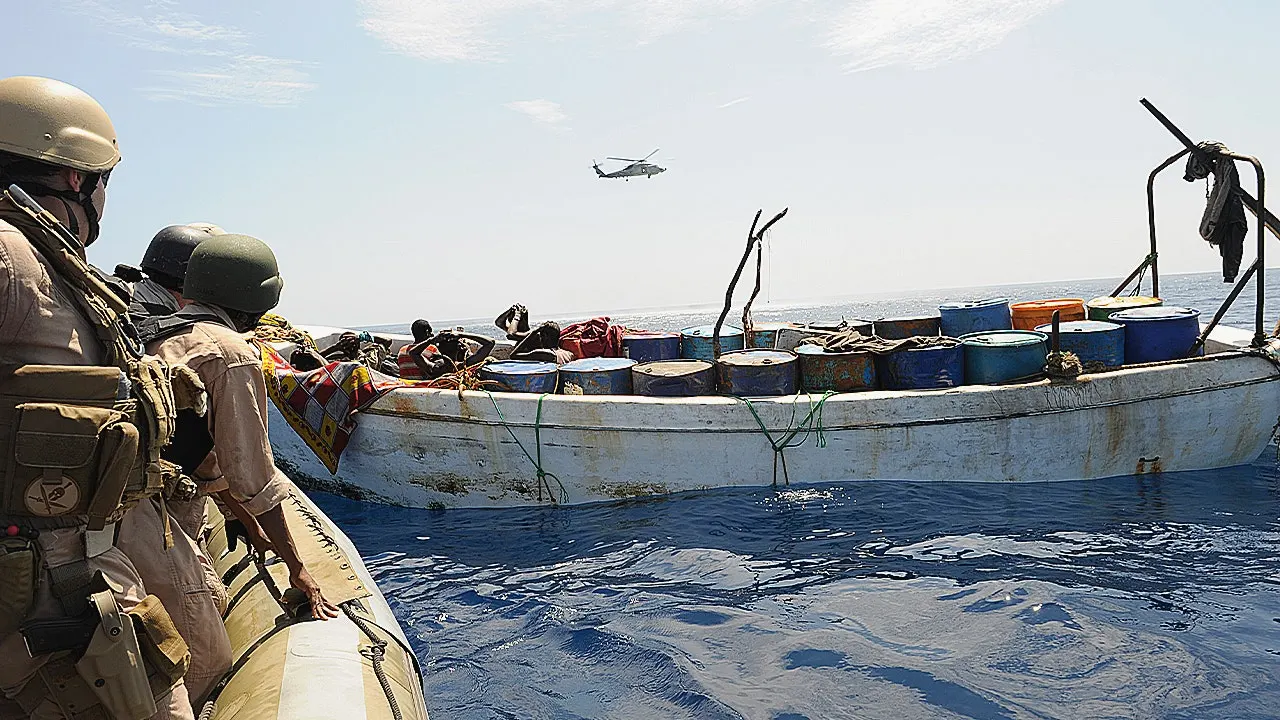
US Initiates Project Freedom in Strait of Hormuz Amid Rising Tensions with Iran
In a significant move, the United States has unveiled “Project Freedom,” aimed at ensuring safe passage for maritime traffic through the Strait of Hormuz. This initiative was announced by Dana Perino and Bill Hemmer, with President Trump delivering a pointed message to Iran regarding shipping disruptions. Recent reports highlight drone strikes linked to Iran, prompting South Korea to investigate an attack on a vessel in this sensitive area.
The backdrop of heightened concern includes a new proposal for a network of land-based energy pipelines, bypassing the Strait of Hormuz entirely. Named “ARAM Express,” this plan seeks to establish a collaboration between the U.S. and Gulf nations to create an efficient overland transport system for oil, gas, and petrochemicals. This initiative is designed to mitigate the risks associated with the Strait, through which around a third of the world’s maritime oil supply currently flows.
The project underscores the urgent need for alternative methods of transporting energy, especially as Iran’s threats to commercial shipping continue and U.S. forces maintain close oversight over the waterway. U.S. officials are stressing the importance of protecting the flow of energy, framing the initiative as crucial for global economic stability.
Members of the international community, particularly in Europe and Asia, are encouraged to join the effort by investing in this infrastructure. Experts believe this could lead to a more resilient energy supply chain, especially for countries like China, which also faces risks from potential disruptions.
Despite current military measures in the Strait, analysts warn that this crisis highlights long-term vulnerabilities in relying on a single transit point for energy supplies. The U.S. is working with Gulf allies to explore diverse options for energy transport, recognizing the potential dangers posed by Iran’s ongoing assertiveness in the region.
While Saudi Arabia has successfully constructed an alternative pipeline to circumvent the Strait of Hormuz, not all Gulf states share this luxury. Countries like Kuwait and Qatar may face significant challenges should shipping through the Strait become restricted, potentially reshaping regional dynamics.
As the U.S. and its allies push to stabilize conditions in the Strait of Hormuz, the broader conversation has shifted toward long-term strategies for energy transport. The question remains whether the global energy sector can afford to depend so heavily on this critical but vulnerable route as geopolitical tensions continue to evolve.
