
Iran’s Internet Blackout Reaches 30 Days Amid Ongoing Conflict
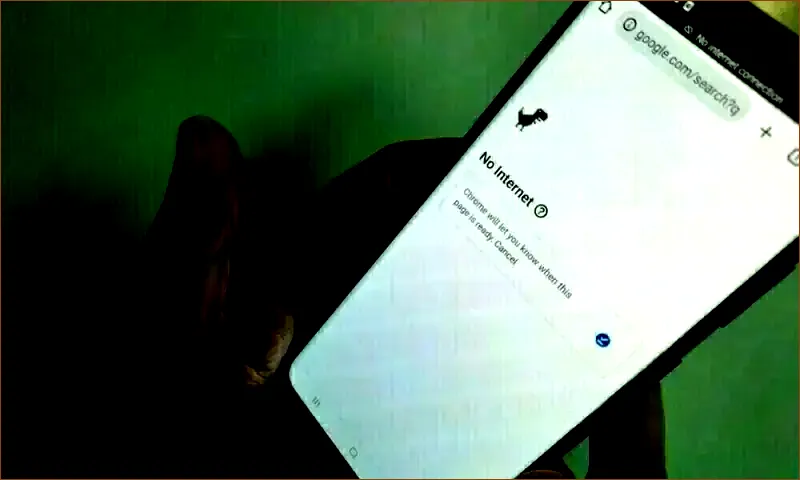
PARIS: Iran has now entered the 30th consecutive day of a nationwide internet blackout, leaving millions without access to information and communication. This disruption began as tensions escalated into a conflict involving the United States and Israel.
According to the internet monitoring group NetBlocks, the blackout has persisted for over 696 hours, making daily life increasingly challenging for many Iranians. While the domestic intranet continues to function and provides limited services like local messaging apps and banking, access to the global internet remains highly restricted.
With the global internet largely inaccessible, many residents have turned to state-approved platforms and expensive alternatives to connect with loved ones. Maryam, a 33-year-old employee in the private sector, shared her struggles during the initial weeks of the blackout.
“It was tough at the start,” she said. “I could only call my family in another city.” Now, she uses a local messaging app for video calls. “It’s not ideal, but we are managing in these challenging times.”
Journalists in Paris have managed to reach some residents in Iran through short bursts of connectivity via apps like WhatsApp and Telegram, using virtual private networks (VPNs). However, this method is not reliable for everyone, especially those with relatives abroad.
Milad, a 27-year-old clothing salesman, described the difficulties of staying in touch with his family in Turkey. “I can’t communicate with them online. I have to make expensive direct phone calls, so I rarely hear from them,” he explained.
The internet restrictions have greatly limited access to information, confining users to domestic sources that offer only a partial view of current events. Iran has a history of imposing internet shutdowns during times of unrest, including previous blackouts during protests and conflicts.
Despite partial resumption of internet access after earlier disruptions, the current blackout has left many feeling isolated and frustrated. Some users have managed to find creative ways to connect, but these solutions are often unstable.
Hanieh, a 31-year-old ceramist, recounted her experience of getting limited access after nearly two weeks. “It took a lot of effort, but I found a way to connect,” she said. However, she noted that the service remained very unreliable.
As the situation evolves, many in Iran continue to hope for a return to normalcy and better communication options amidst ongoing challenges.
