
India’s Prime Minister Modi to Visit Israel Amid Complex Global Landscape
Prime Minister Narendra Modi of India is set to visit Israel on Wednesday for a two-day trip, marking his second visit to the country. This visit carries significant implications beyond simple ceremonies and agreements; it comes at a time of shifting global dynamics.
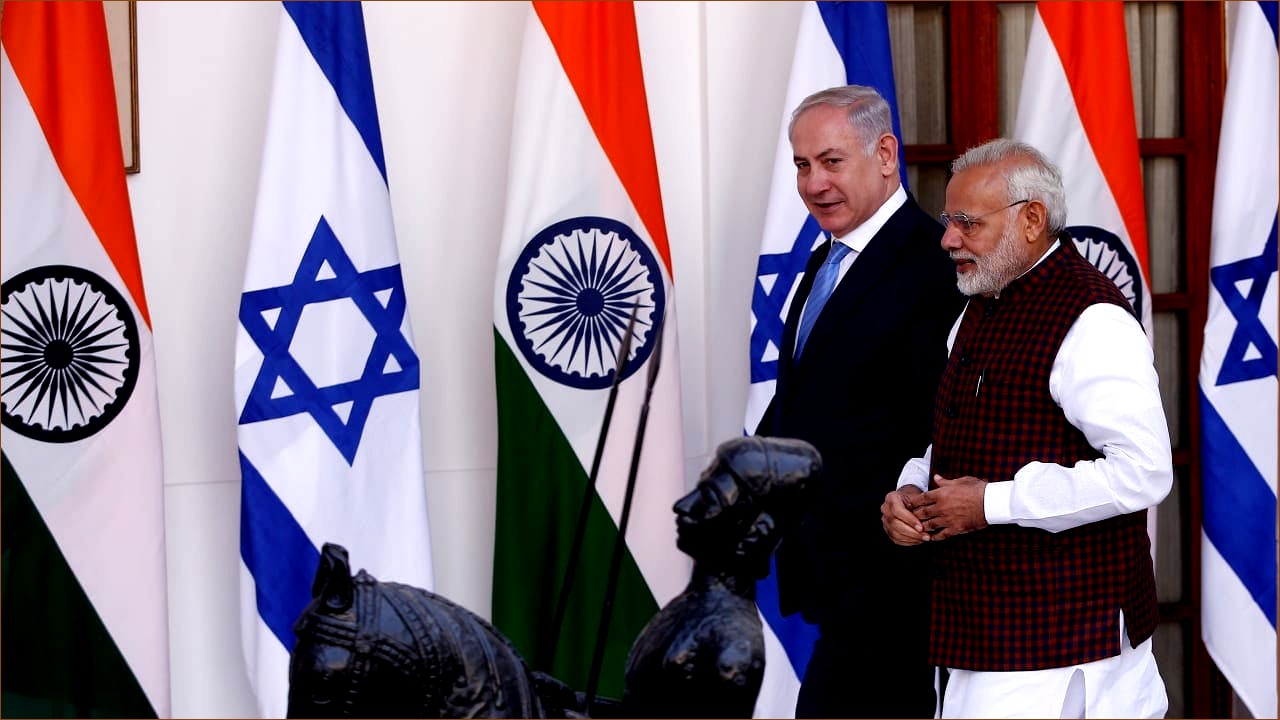
In July 2017, Modi was welcomed at Ben-Gurion Airport by Israeli Prime Minister Benjamin Netanyahu, who expressed excitement about welcoming him. It had taken nearly seven decades for an Indian prime minister to visit Israel, making this trip momentous.
What began as a cautious relationship has evolved into a vital strategic partnership for both nations. Modi is not just visiting as a prime minister; he represents a nation of 1.4 billion people and one of the world’s fastest-growing economies.
Modi’s arrival is notably symbolic, occurring during a time when various international voices are attempting to isolate Israel in light of the ongoing conflict in Gaza. While there are calls for sanctions and boycotts, Modi’s decision to strengthen ties with Israel is a clear signal of support. This image of solidarity is particularly meaningful for Netanyahu as it counters the narrative of isolation surrounding Israel.
However, this visit reflects a significant shift in global power dynamics. During Modi’s first visit in 2017, Israel was seen as an emerging diplomatic player, actively expanding its influence around the globe. In contrast, India is now taking center stage as a bridge between different regions, a major manufacturing hub, and a rising technological power. Meanwhile, Israel finds itself navigating a historically challenging diplomatic environment.
Netanyahu aims to harness Israel’s close relationship with India within a larger framework of alliances he refers to as a “hexagon.” This includes partnerships with select Arab states, Greece, Cyprus, and other countries. The goal is to unite nations that share similar views on regional challenges.
Modi’s 2014 governance introduced a strategy known as “de-hyphenation,” allowing India to develop its relationship with Israel independently from its ties to the Palestinian territories. This marked a shift from previous Indian administrations, which often balanced relations based on political considerations at home.
Under Modi, trade has expanded dramatically, moving into areas like technology, cyber defense, and renewable energy. Current agreements between the two nations are valued at over $8 billion, showcasing the depth of their partnership.
In defense, India has become Israel’s largest customer, purchasing approximately one-third of Israel’s total arms sales. Joint production initiatives are also ongoing in India under Modi’s “Make in India” policy, allowing for local manufacturing and technology transfer.
Despite differing views on some regional issues, India has maintained a robust relationship with Israel, even amid the heightened tensions from the Gaza conflict. Modi’s initial condemnation of recent attacks was followed by practical cooperation, with reports suggesting India continued to supply military support to Israel during this crisis.
While Modi will not formalize a partnership aligned against Iran during his visit, India is keen on balancing Turkey’s increasing influence, especially in relation to its ties with Pakistan. The trip signifies both the consolidation of ties between India and Israel and highlights the importance of maintaining powerful partnerships in a changing global landscape.
Ultimately, Modi’s visit reinforces that not all efforts to isolate Israel have succeeded; major powers, like India, are often driven by their national interests. As Israel seeks new alliances amid changing political scenarios in the West, this visit serves to underscore the importance of Israel’s relationship with India, now regarded as an essential aspect of both nations’ foreign policies.
