
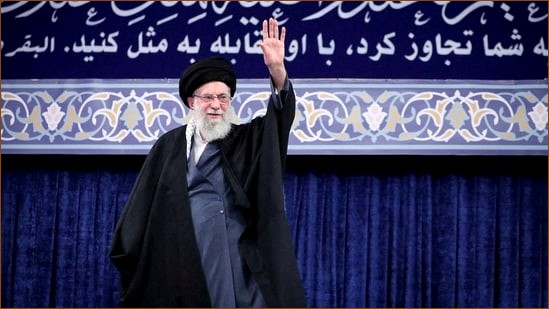
Rising Tensions Between Iran and the US
Iran has issued a strong warning, stating that any military action from the United States, including limited strikes, would be viewed as an “act of aggression.” This came after President Donald Trump mentioned he might consider such strikes if Iran does not agree to a nuclear deal.
Key Developments
-
Upcoming Talks: Negotiations regarding Iran’s nuclear program are set to resume on Thursday, February 26, in Geneva. This was confirmed by Oman’s foreign minister, who has served as a mediator between the two nations.
-
India’s Advisory: In response to the escalating situation, India has advised its citizens in Iran to leave the country using all available transportation options, including commercial flights. They are urged to exercise caution and stay away from areas where protests are taking place.
Latest Insights
-
US Military Presence: Currently, the US has stationed 13 warships in the Middle East, including the aircraft carrier USS Abraham Lincoln, nine destroyers, and three frigates. This buildup has raised concerns about potential military conflict.
-
Protests in Iran: Protests against the Iranian government have resumed, particularly in universities in Tehran and Mashhad, with students expressing their dissatisfaction with the regime’s handling of the economy and recent crackdowns.
-
Diplomatic Efforts: As the tension continues, Iranian Foreign Minister Abbas Araghchi has expressed hope for a diplomatic resolution regarding the nuclear talks but also stated that Iran would respond if the US attacks.
What’s Next?
With the Geneva meeting approaching, the focus remains on whether the US and Iran can reach an agreement regarding the nuclear issue. Diplomatic relations have been strained, particularly following recent events that led to heightened tensions and protests in Iran.
As the situation develops, both countries and global observers are on alert, emphasizing the need for a peaceful resolution to avoid further escalation.
