
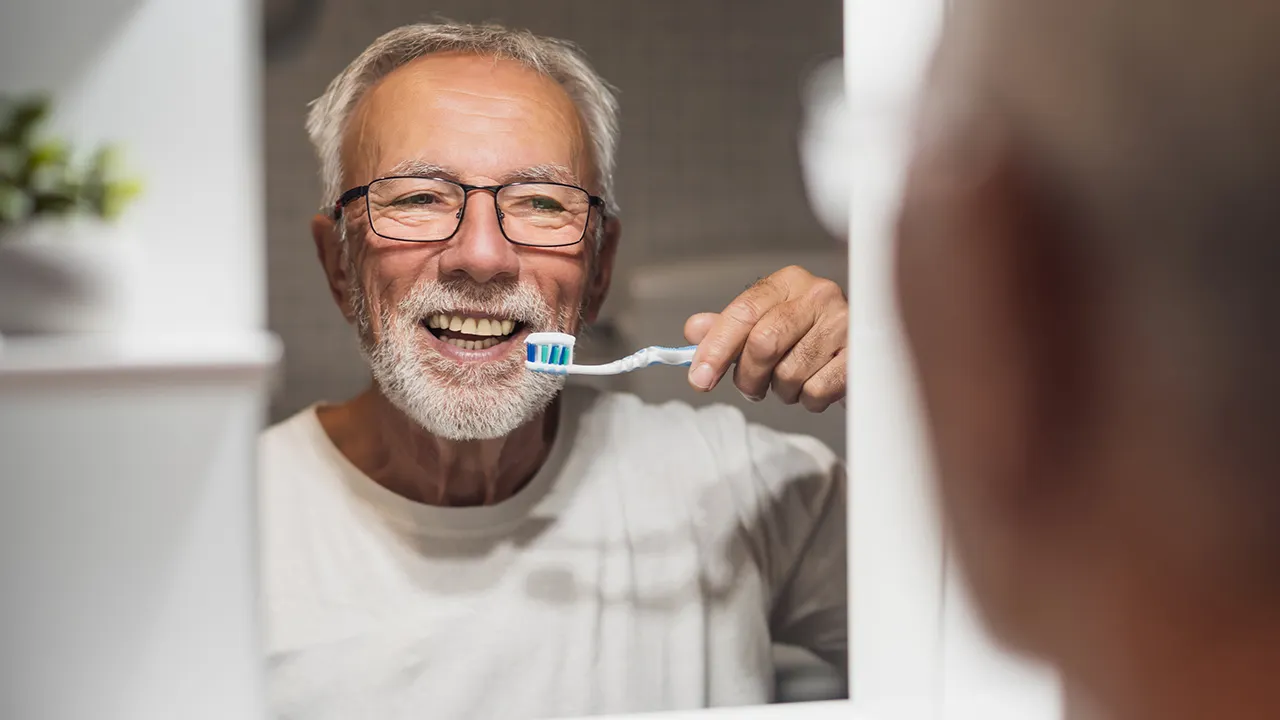
The Surprising Health Benefits of Brushing Your Teeth
Brushing your teeth does more than just give you a bright smile; it might actually contribute to a longer life. Recent studies suggest that good oral hygiene could lower the risk of severe health issues, such as Alzheimer’s disease and rheumatoid arthritis.
At a recent gathering organized by the American Association for the Advancement of Science (AAAS) in Arizona, a group of researchers discussed how important oral health is for our overall well-being, calling the mouth a “gateway to overall health.”
In past years, many thought of the mouth as separate from the rest of the body, but scientists now understand that there’s a strong connection between oral health and the health of other organs. During the conference, Dr. Alpdogan Kantarci from the University of Minnesota’s School of Dentistry pointed out that maintaining good dental health could be related to a decreased risk of over 50 different health conditions.
Further discussions highlighted how gum diseases, like periodontitis, can lead to ongoing inflammation, which might increase the chances of developing various diseases, including arthritis and dementia.
A New Perspective on Oral Health
Research from Tufts University School of Dental Medicine indicates that oral health is a crucial part of our overall healthcare system and plays a significant role in aging. The findings emphasize that oral health problems can be risk factors for physical issues and should be taken seriously.
Another study published in the journal Neurology showed that individuals with better dental care often had sharper memories. Conversely, those with gum diseases and missing teeth might experience more rapid mental decline.
The Importance of Daily Brushing
Dr. Michael Wei, a cosmetic dentist in New York City, emphasizes the many benefits of brushing your teeth regularly. He advises brushing three times a day to control harmful bacteria that can lead to gum disease and inflammation. When plaque is removed consistently, it helps reduce inflammation in the body, which is essential for maintaining overall health.
Dr. Wei notes that while brushing can’t guarantee protection against dementia, it is a significant way to lower preventable risk factors associated with cognitive decline.
Finding the Right Technique
While brushing is essential, it’s crucial to do it correctly. Experts warn that brushing too hard or using the wrong type of brush can harm your gums and enamel. Dr. Wei recommends using a soft-bristled toothbrush and taking a gentle approach to brushing.
Dr. Richard Lipari, another dentist, agrees that brushing twice a day for two minutes is usually enough for good oral hygiene. However, he adds that brushing a third time is fine as long as it’s done carefully.
For those worried about their oral health, Dr. Luis R. Dominicis Jr. suggests visiting a dentist regularly to discuss the best dental care practices and monitor any issues like gum sensitivity or enamel wear.
In summary, taking care of your teeth is not just about looking good; it’s a vital part of your overall health. Simple daily habits like brushing can make a significant difference in how you age and your overall quality of life.
