
Iran and U.S. Engage in Indirect Nuclear Talks in Oman
Iranian Foreign Minister Abbas Araghchi described recent indirect nuclear negotiations with the United States in Oman as “a good start.” He noted that there is agreement on continuing the discussions, emphasizing the importance of ongoing dialogue after a lengthy pause.
“After a long time without communication, we were able to share our viewpoints and concerns in a positive environment,” Araghchi commented. He added that how the talks proceed will depend on consultations in both countries.
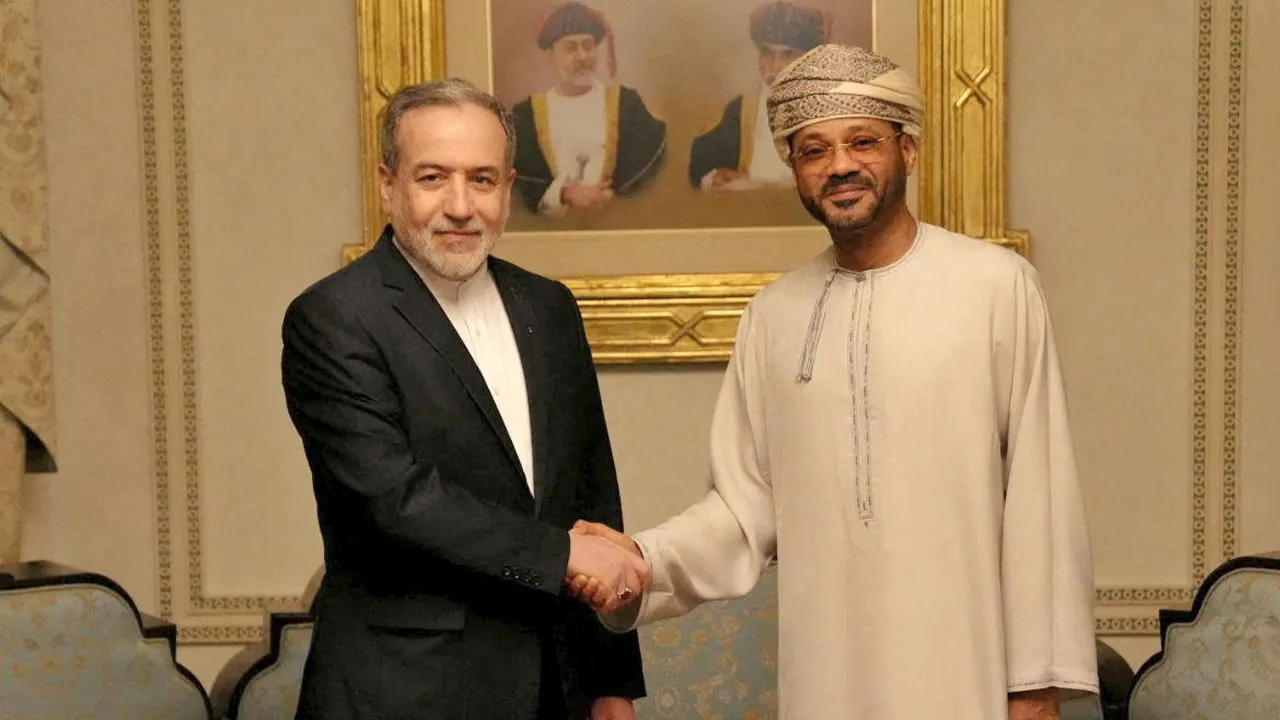
In Muscat, Omani Foreign Minister Badr al-Busaidi met with officials from both Iran and the U.S. The discussions focused on creating the right conditions for resuming diplomatic talks to achieve lasting security and stability.
Oman publicly acknowledged the meetings, which took place separately with Iranian and American delegates, as journalists observed the visits. The Iranian representatives arrived first, followed by a convoy with U.S. officials that included special envoy Steve Witkoff and negotiator Jared Kushner.
The meetings were originally planned for Turkey but were relocated at the last minute, which Secretary of State Marco Rubio addressed. There was some confusion regarding the venue agreement, with Iran reportedly wanting to limit the talks to U.S.-Iran discussions, excluding other regional players.
Tensions between Iran and the U.S. have escalated following U.S. airstrikes on Iranian nuclear sites in 2025 and the U.S. condemnation of Iran’s actions against anti-regime protests. President Donald Trump indicated that Iran’s Supreme Leader Ayatollah Ali Khamenei should be “worried” but acknowledged ongoing negotiations between the two nations.
While the situation remains fluid, it is unclear when or if further discussions will occur, including direct talks between Iranian and American officials. The State Department has not provided additional comments regarding the situation.
