
U.S.-Iran Talks Begin Without Supreme Leader
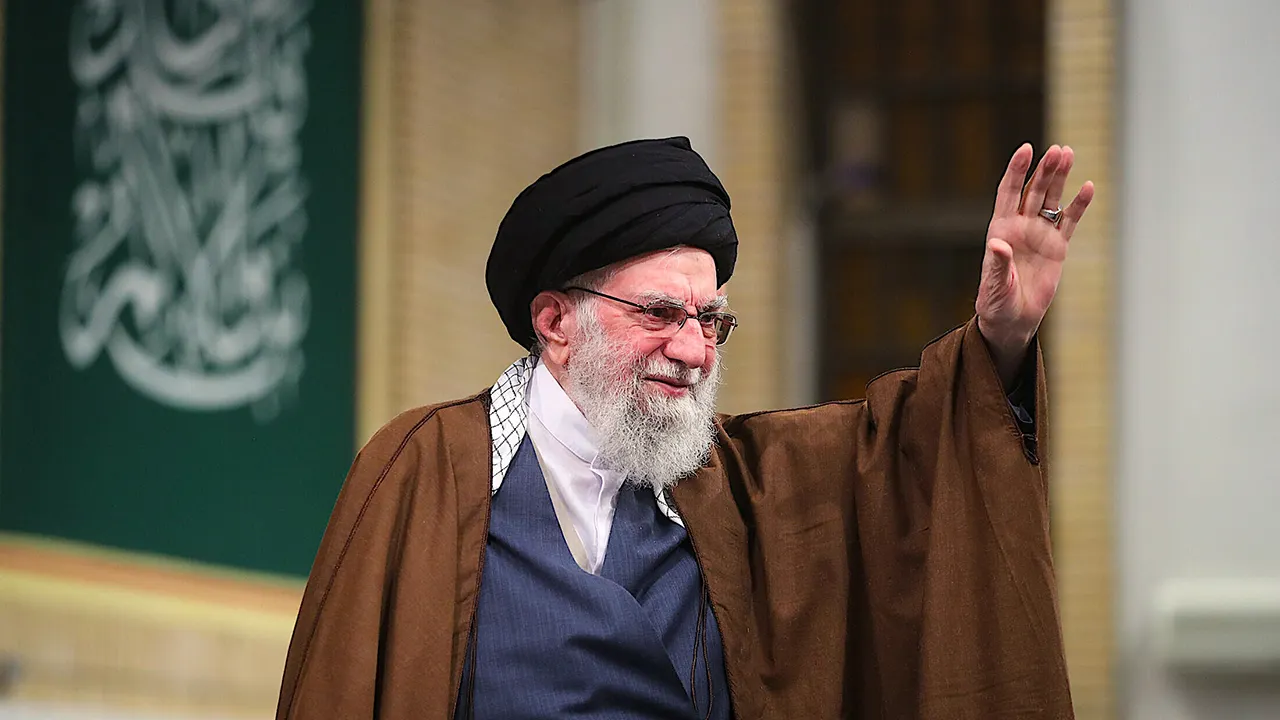
Indirect discussions between the United States and Iran commenced on Friday in Oman. However, Vice President JD Vance raised concerns earlier this week about a significant absence: Supreme Leader Ali Khamenei, who holds the highest authority in Iran, is not part of the negotiations.
Vance pointed out the oddity of conducting diplomacy with a nation when its top leader is unavailable for talks. “It makes everything much more complicated,” he said during an interview on Megyn Kelly’s podcast.
Khamenei and U.S. Relations
Khamenei, who has been in power since 1989, oversees military and strategic decisions in Iran. His authority means that any agreements made must ultimately go through him. Sina Azodi, a Middle East expert, explained that Khamenei’s control extends to key military and security positions in the country, which solidifies his role in governance.
The lack of Khamenei at the talks reflects a strict Iranian diplomatic protocol, as Iran believes that other countries do not have equivalent leaders to negotiate with him.
Legacy and Resistance
As tensions rise, insiders describe Khamenei as focused on his legacy. He views the conflict with the U.S. as a key part of his historical narrative and is determined to resist any perceived U.S. efforts for regime change. Experts suggest that while Iran’s strategy appears to be one of negotiation, there is an undercurrent of preparation for conflict.
Behnam Ben Taleblu from the Foundation for Defense of Democracies emphasized Khamenei’s significant influence in Iran, asserting that he remains a decisive figure even amid internal and external pressures.
Inside Iran: Growing Frustration
Reports indicate rising dissatisfaction among Iranians towards Khamenei. Many view him unfavorably, with some expressing wishes for his death, reflecting a desire for generational change rather than mere political reform.
An exiled Iranian journalist highlighted the government’s perspective, stating that Khamenei is viewed not just as a political leader but as a divine representative. This belief complicates any potential for dialogue with foreign leaders, as it could undermine his image among supporters.
The Bigger Picture
As the U.S. engages in these negotiations amidst regional tensions and military posturing, the challenge remains clear. Despite discussions, the key decisions are still in the hands of Khamenei, a leader shaped by years of confrontation with the West and focused on maintaining his regime.
