
U.S. Increases Military Presence in the Middle East Amid Tensions with Iran
The U.S. military is enhancing its forces in the Middle East due to rising tensions with Iran, following the postponement of nuclear negotiations that have now been moved to Oman.
Initially, U.S. and Iranian officials were set to meet in Istanbul, with several neighboring countries observing the discussions. A senior U.S. official confirmed that despite the change in location, the goal remains to restart talks centered on Iran’s nuclear program. According to the official, this decision came after leaders from various Arab nations urged the U.S. not to abandon the talks.
The U.S. military has sent clear signals to Iran, warning that it will not tolerate “unsafe” actions, especially with upcoming live-fire exercises planned in the Strait of Hormuz.
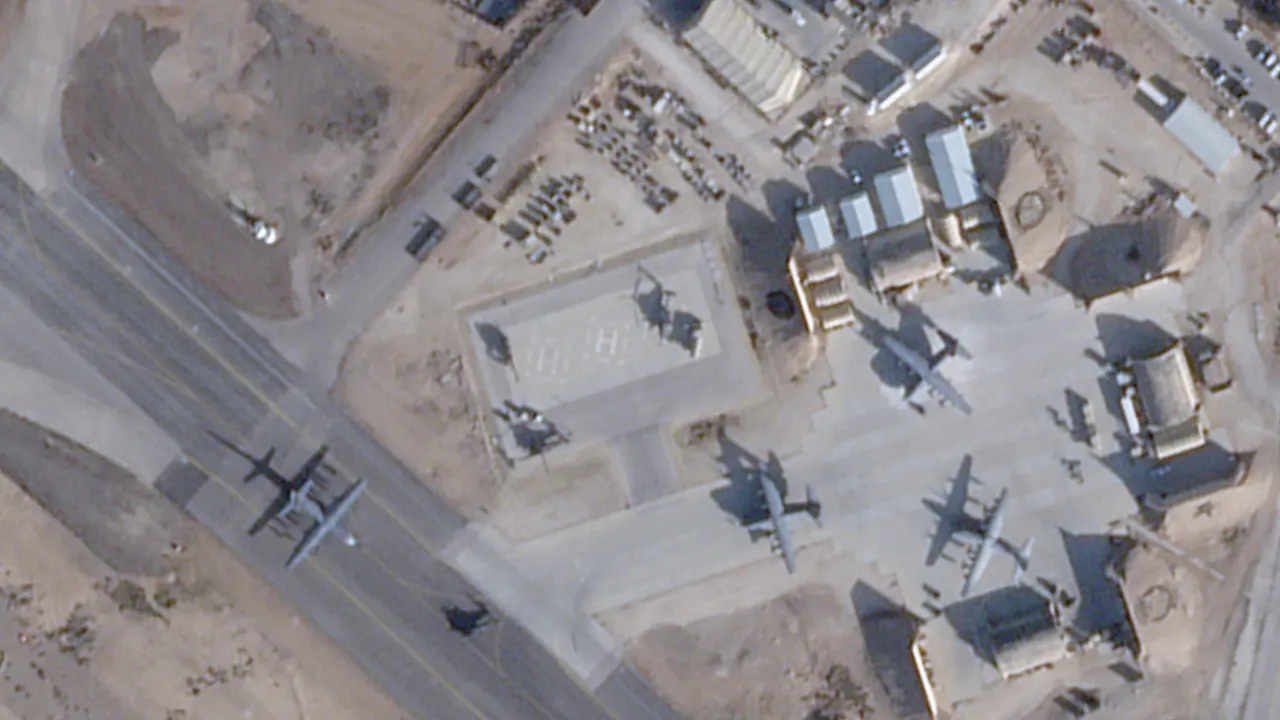
Recent satellite images reveal U.S. military assets, including aircraft and naval ships, positioned throughout the region. This buildup suggests preparation for a range of potential military options, although experts caution that just the visibility of these movements does not guarantee an imminent strike.
U.S. naval forces, including the aircraft carrier strike group led by the USS Abraham Lincoln, are currently operating in the Arabian Sea, while destroyers are stationed throughout the eastern Mediterranean and Red Sea regions.
Images from a U.S. base in Oman show Osprey aircraft, which could be used for search-and-rescue operations. Meanwhile, the Muwaffaq Salti Air Base in Jordan appears to have C-130 aircraft utilized for logistics and possibly recovery missions.
Iran has also made its presence known, with a drone carrier capable of monitoring U.S. ships in the area. This could pose challenges for U.S. forces as they may need to react to potential threats.
U.S. Secretary of State Marco Rubio emphasized that the U.S. is willing to engage in serious conversations with Iran if they include discussions on other pressing issues such as ballistic missiles and Iran’s support for militant groups.
Recent events underscore the heightened tensions, including U.S. forces downing an Iranian drone that approached the USS Abraham Lincoln. The U.S. Central Command reiterates its commitment to protecting its personnel and assets, signaling that military readiness remains a priority.
As the situation evolves, the timing and specifics of any potential military actions remain uncertain.
