
U.S. Increases Airstrikes Against Terrorists in Somalia
The United States is ramping up its airstrikes and military operations in Somalia aimed at combatting Islamist terrorist groups like ISIS and al-Qaeda. The goal is to lessen the risk of attacks targeting the U.S. and its allies.
Lieutenant General John Brennan, a top official at U.S. Africa Command, shared insights about this ongoing effort. He emphasized that these groups pose not only a threat to Somalia but also to Americans, particularly through recruitment efforts that exploit social media.
Brennan pointed out, “When we provide terrorists the opportunity to plan, attacks can happen. If we keep them on their toes, they’re less likely to succeed.”
The U.S. has been actively conducting operations to dismantle the terrorist infrastructure in Somalia. In 2025 alone, U.S. forces executed 124 airstrikes, significantly increasing their presence compared to the previous year. This trend continues into 2026 with 26 airstrikes already carried out in January.
The leadership of the global ISIS network has shifted focus to Africa, especially Somalia, where Abdulqadir Mumin, the ISIS leader, oversees operations from the Golis Mountains. He has connections that reach beyond Africa to Europe and the Far East.
President Trump previously warned, “We will find you and we will kill you,” in reference to groups like ISIS.
Brennan confirmed that U.S. forces are actively pursuing Mumin, underscoring the importance of removing any safe spaces for terrorists. He noted that past leaders of ISIS have ultimately been tracked down and neutralized, emphasizing the ongoing commitment to this mission.
In Somalia, the local ISIS affiliate, known as ISIS-Somalia, has seen substantial losses thanks to coordinated efforts with Somali forces. Brennan reported significant progress with partners reclaiming large areas previously held by ISIS fighters.
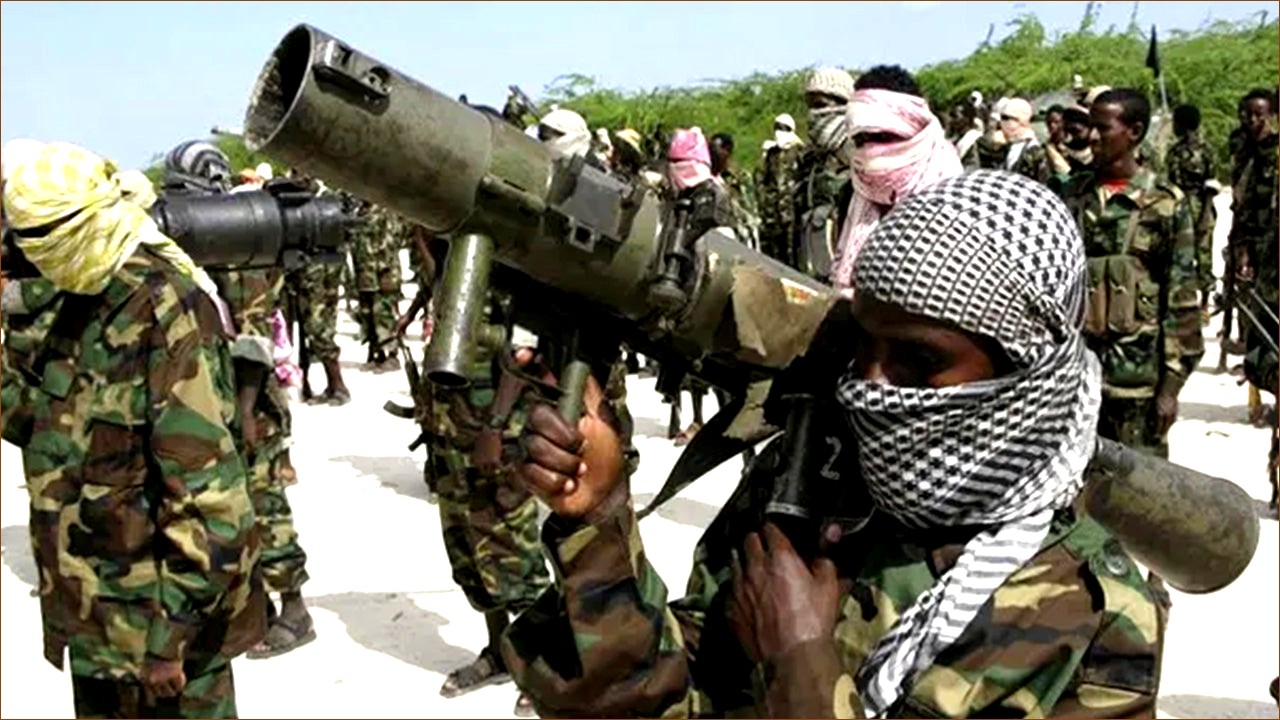
However, al-Shabaab, the local al-Qaeda faction, remains a formidable presence in the country, seeking to establish control over key areas. The challenge may have evolved, with al-Shabaab possibly shifting tactics and attempting further coordination with other terrorist groups in the region.
The role of the U.S. military in 2026 is described as increasingly supportive, with a focus on advising Somali-American troops. Brennan noted the advanced technology and intelligence support being provided to enhance the capabilities of Somali forces.
Ambassador Robert Scott highlighted the cooperation among regional partners such as Kenya, Ethiopia, and Uganda, which helps share the responsibility in fighting terrorism.
Brennan also touched on the future economic potential for Somalia, stating that improved security could lead to the development of the country’s natural resources, paving the way for economic growth and stability.
Overall, the U.S. efforts in Somalia aim not only to combat terrorism but also to foster a secure environment that can eventually benefit the Somali people economically.
