
US Troops Stay in Syria to Combat ISIS Threat
U.S. troops continue to be deployed in Syria, aiming to combat the persistent threat of ISIS. This follows ongoing concerns about security after a deadly incident involving two National Guardsmen in the region.
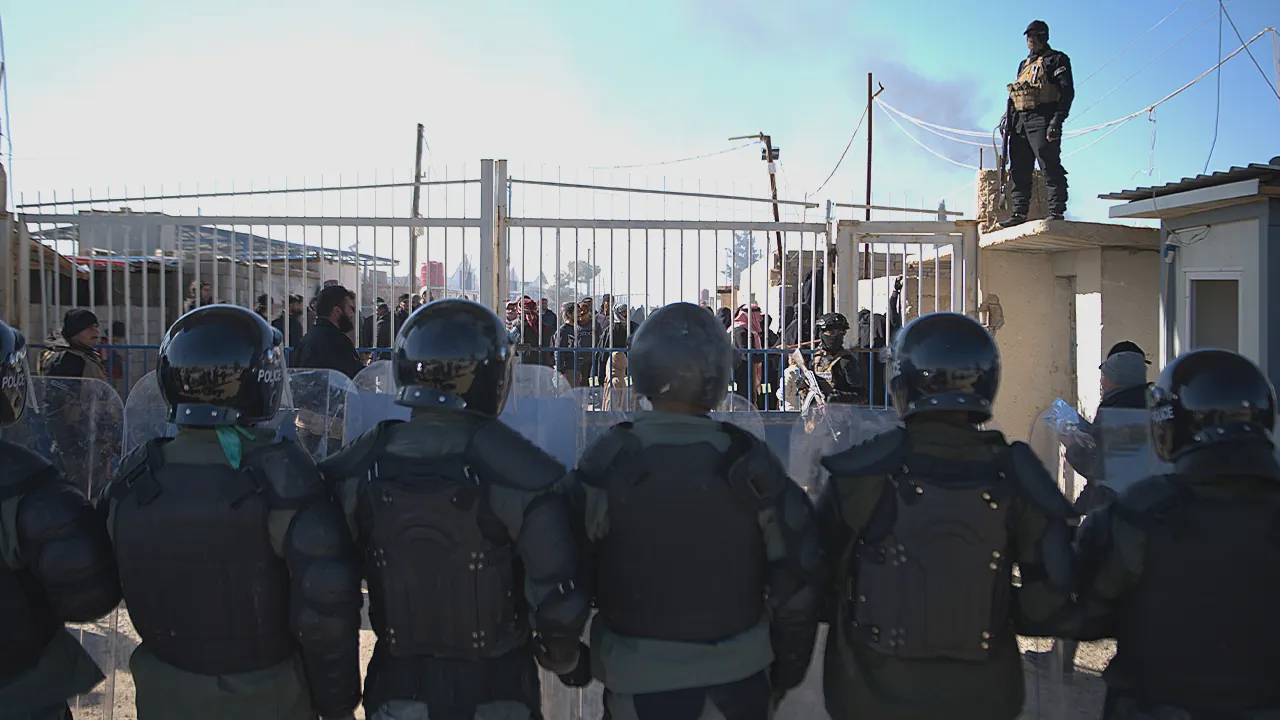
Recent events have raised alarms, particularly surrounding a prison break on January 19, where several ISIS prisoners escaped amidst violent clashes between Syrian government forces and Kurdish fighters. An analyst noted that while many of the escapees have been recaptured, a number remain unaccounted for, making it challenging to track exact figures.
U.S. forces are now focused on relocating thousands of male militants from Syria to Iraq. However, the situation remains complicated for the wives and families of these fighters, who have been left in detention camps that are described as “fragile.”
“Syria claims that most of the escapees were caught, but a few are still missing,” said Nanar Hawach, an analyst from the International Crisis Group. The confusion from the recent chaos has made it difficult to keep track of all individuals involved.
As part of emergency measures to prevent a resurgence of ISIS, the U.S. has started transferring male detainees to secure facilities in Iraq. About 150 fighters have reportedly already been moved, with plans for more transfers that could involve up to 7,000 individuals. This effort comes as U.S. Central Command recognizes deteriorating security conditions in northeast Syria.
Hawach emphasized that these transfers are limited to male prisoners and do not include women and children, many of whom remain in camps such as Al-Hawl, which currently holds thousands of women and children associated with ISIS.
Iraqi authorities have confirmed receiving a first group of 144 detainees, with more transfers to be conducted by air. While concerns about human rights and trial procedures in Iraq have been raised, the priority remains managing the immediate security threats.
The situation in the camps is precarious. “Women and children are treated differently than male fighters,” Hawach explained. Many governments have shown hesitance to repatriate these families, complicating the resolution of the present crisis.
Long-term solutions are still needed for the detainees, as the current measures simply address immediate issues without tackling the deeper challenges that remain in handling this population.
Tom Barrack, the U.S. special envoy for Syria, pointed out that as the Syrian government reassumes control over security, the role of the Syrian Democratic Forces, once seen as the main opposition to ISIS, has shifted significantly.
As U.S. forces continue their operations, the focus remains on establishing stability in the region, even as complex questions about the future of those detained linger.
