
Urban Transit is Changing: Five Key Trends You Need to Know
While buses and trams may not always grab headlines, the public transit sector is undergoing significant transformations. With climate goals, changing rider expectations, and advancements in technology, transit agencies are redefining urban mobility. Here are five important developments that planners and policymakers should consider for the future of transportation.
1. The Shift to Electric is Here to Stay
Electric buses are no longer just a gimmick. With lower costs for batteries, strong incentives to go green, and stricter air quality laws, battery-powered buses are now essential. According to the International Energy Agency, electric buses represent about 3% of global sales, with over 635,000 already in service worldwide.
Cost Savings Drive Adoption
Electric buses can save money on fuel and maintenance, making them cheaper to run than diesel options within five to seven years. This financial advantage, coupled with penalties for high-emission vehicles, makes a strong case for electrification.
Planning for Successful Implementation
Before investing in large fleets, agencies need to analyze energy needs for different routes, especially during peak seasons. Starting with the busiest routes allows for significant savings. It’s essential to coordinate with utility companies early to manage the increased electricity demand due to charging.
2. Simplifying Travel with Mobility-as-a-Service
Today’s commuters often juggle multiple apps and tickets, which can be confusing. Mobility-as-a-Service (MaaS) aims to simplify this chaos with a single app that integrates various travel options—buses, trains, bike shares, and ride-hailing services.
Making Travel Easy
When successfully implemented, MaaS offers a seamless travel experience, showing real-time options and calculating fares all in one place. Reports indicate that users are more inclined to use public transit when simplified this way.
Importance of Governance
However, technology alone isn’t enough. It’s crucial that agencies establish clear rules around data sharing and ensure equal access for all riders. This can help build trust and make sure everyone can benefit from new services.
3. Autonomous Buses Move Beyond Hype
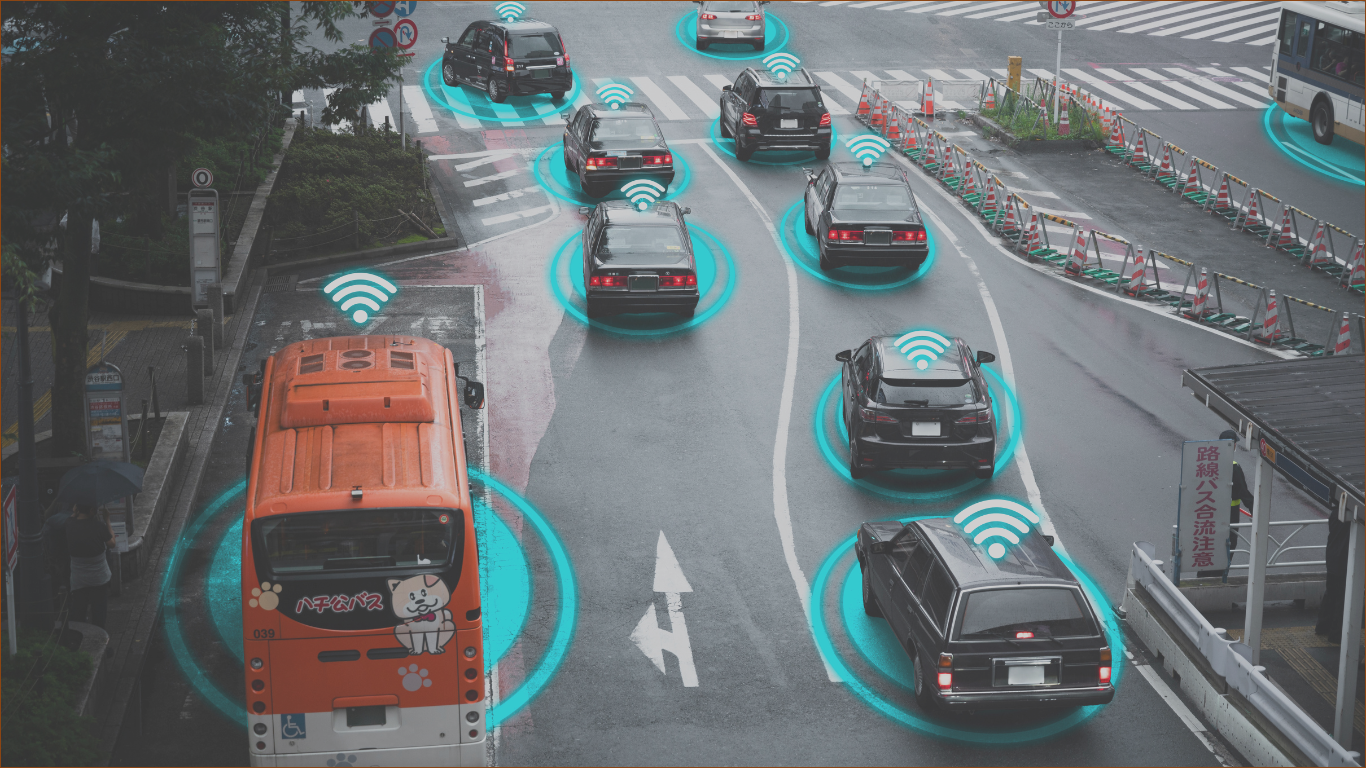
Once thought to be far in the future, self-driving buses are starting to take shape in cities. Around fifteen mid-sized cities are already piloting autonomous shuttles in controlled areas. While fully autonomous buses are still on the horizon, several advancements like lane centering and automated depot operations are already making a difference.
Where It Matters Most
Autonomous technology is first being used in:
- Yard Automation: Streamlining the movement of buses at garage facilities.
- Curb Docking: Making it easier for passengers to board and for people with disabilities to access services.
- Platooning: Allowing buses to travel closely together to reduce wait times without needing additional drivers.
These changes don’t just cut costs but enhance service quality, making rides smoother and more timely.
4. Urban Air Mobility Gains Ground
Five years ago, flying taxis were just a dream, but now cities are starting to explore this concept seriously. Major cities are developing rules for landing spots for electric vertical take-off and landing (eVTOL) aircraft, and the urban air mobility market is projected to reach $80 billion.
Specific Uses in the Urban Fabric
Urban air mobility won’t replace buses but will offer quick solutions for time-sensitive trips, such as connecting downtown areas with airports. This innovation can help free up roads for other forms of transport.
Integrating Vertiports
Instead of building standalone vertiports, city planners should incorporate them into existing transit hubs, like train or ferry stations. It’s vital to ensure that the benefits of these new services are shared fairly across all communities.
5. Data-Driven Planning for Better Services
Traditionally, public transportation planning has been slow and bureaucratic. However, with the rise of data, agencies can now create near-real-time demand maps using various inputs like mobile location data. For example, Transport for London used this data to redesign bus routes for better coverage and efficiency.
Empower Your Team
To make the most of this data, agencies should invest in training for existing planners to use new tools effectively rather than solely hiring data scientists.
Balancing Efficiency with Equity
While analytics can help optimize services, it’s essential to ensure that cuts to less busy routes do not disproportionately affect vulnerable communities.
What This Means for Planners Today
These five trends are interconnected. Electrification generates valuable data, which can help inform MaaS and improve service delivery. To thrive in this evolving landscape, agencies should:
- Create plans for a zero-emission fleet that align with vehicle lifecycles.
- Develop rules prioritizing open data sharing to ensure adaptability.
- Budget for technological infrastructure like cloud services in addition to physical infrastructure.
Agencies that respond proactively to these changes will shape the future of public transportation instead of merely reacting to it.
Conclusion
The next decade for public transit will not hinge on a single breakthrough but will instead be defined by a collaborative effort across various innovations: electric buses, integrated services, some level of automation, urban air links, and informed planning. When combined with smart policies, these elements promise cleaner air and improved access to jobs and services.
The responsibility lies with today’s transit leaders to ensure that riders remain central to the conversation. By keeping the focus on improving user experiences and harnessing new technologies, public transport can evolve into a smooth and sustainable system for everyone.
