
New Kitchen Range Aims to Electrify Homes with Ease
As technology advances, batteries have become more affordable and powerful, driving the electric transformation of various devices—from cars to power tools. However, electrifying homes has lagged behind. Making the switch from gas appliances often means a challenging renovation, including tearing down walls and updating electrical systems.
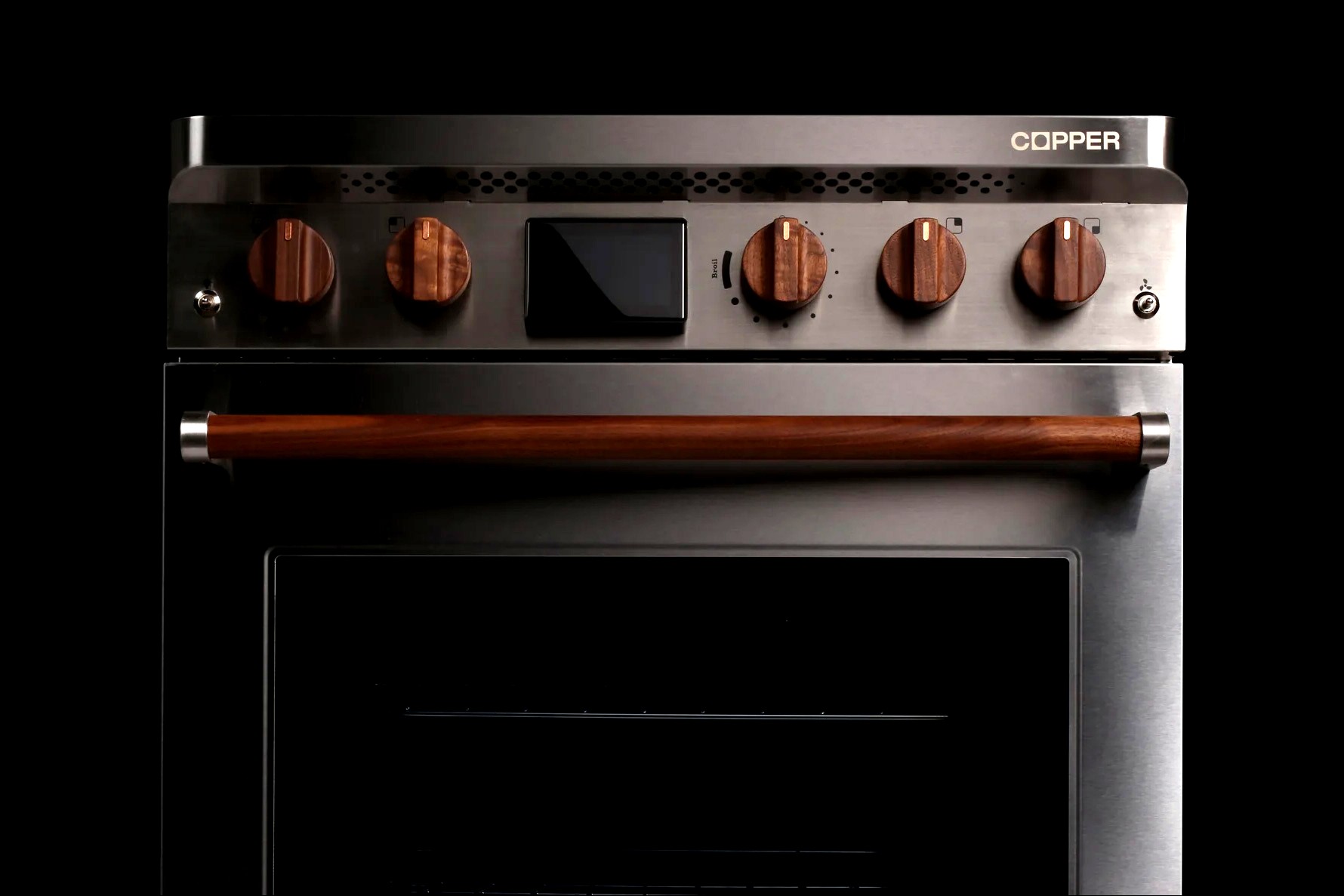
Enter Copper, a startup founded by Sam Calisch, who aims to change this trend. The company has introduced a kitchen range that comes with a built-in battery and can simply plug into a standard 120-volt outlet. This induction range is equipped with a lithium iron phosphate battery that charges during off-peak times, using the cleanest energy available, before providing power when it’s time to cook.
Calisch emphasizes that this innovation simplifies the electrification process. “Switching to electric could feel more like changing an appliance rather than undergoing a major construction project,” he states. “In single-family homes, there’s usually an outlet nearby, but in apartment buildings, it’s a different story. Rewiring large buildings costs too much for many to consider.”
So far, Copper has delivered about 1,000 of its battery-powered ranges, mainly to developers of apartment complexes. They’ve also partnered with the New York City Housing Authority for a project that includes at least 10,000 units.
These ranges can contribute to a cleaner energy grid. Recently, Copper launched a program in California to supply affordable, clean energy back to the grid, especially during peak demand times when gas plants would generally be called upon to ramp up production.
After installation, Calisch explains, these appliances can become valuable assets for the energy grid. “We can manage these batteries to provide consistent power, which helps increase the flow of clean electricity,” he adds. The revenue generated will aid in reducing electrification costs even further.
Finding Purpose in Climate Solutions
Calisch’s journey in climate tech started at Otherlab, a clean technology incubator. “That’s where my passion for creating technology that makes a difference was ignited,” he recalls. He later pursued advanced studies at MIT, focusing on developing better manufacturing practices that are energy-efficient.
In 2019, after earning his Ph.D., he co-founded a nonprofit called Rewiring America, aimed at advocating for widespread electrification and working closely with U.S. Senate offices on legislative initiatives like the Inflation Reduction Act.
Since the introduction of lithium-ion batteries in 1991, their cost has plummeted by around 97%, paving the way for a range of electric products. As technology continues to evolve, countries that embrace these developments will have a significant manufacturing edge.
Calisch believes that the home appliance market can drive battery usage, while the batteries support the shift to electric systems. The kitchen range is a strategic starting point because it demands high amounts of power. By lowering this peak demand, the benefits can be substantial. Ranges also hold emotional significance as central gathering spots for families.
Copper’s 30-inch induction range offers faster heating and precise temperature control compared to gas alternatives. Installation is straightforward, much like swapping out a refrigerator. Plus, its 5-kilowatt-hour battery ensures that cooking can continue even during a power outage.
“Batteries are now dramatically more affordable and can genuinely improve daily life,” says Calisch. “This shift isn’t about compromising our comfort for environmental reasons; it’s about embracing advanced technologies that benefit us all.”
Making a Larger Impact
Calisch asserts that maintaining reliable energy systems in the U.S. future depends heavily on battery adoption. Because of regulatory and technical constraints, not all batteries can be placed on the power grid.
He sees parallels to the internet’s growth: “To handle the massive increase in information flow, we didn’t lay more wires; we added local storage and caching. This enhanced overall capacity. We’re applying this same principle to the electric grid.”
Recently, Copper secured $28 million to boost production and cater to the rising demand for its innovative appliances. The company is also exploring partnerships with other manufacturers to accelerate the shift toward electrification.
Calisch believes that these technologies have the potential to significantly enhance everyday life while also helping to transition away from fossil fuels. “We focus on addressing the barriers to this transition. We’re not just an appliance company; we consider ourselves an energy company.”
Reflecting on his experience at MIT, Calisch acknowledges it played a crucial role in preparing him to manage a technologically focused business. “My time at MIT gave me hands-on exposure to various engineering systems, allowing me to effectively communicate with our engineering teams,” he notes.
Ultimately, he envisions a future where homes actively participate in the energy network rather than just consuming electricity. “It’s about redefining our buildings as part of a broader energy ecosystem.”
