
Manchester United: An Era of Change and Challenge
Football is often said to be a game steeped in history, and for Manchester United, this history feels like both a badge of pride and a heavy load to carry. With every manager that steps in, there is hope for a fresh start, but the question remains: why do things often seem to go wrong?
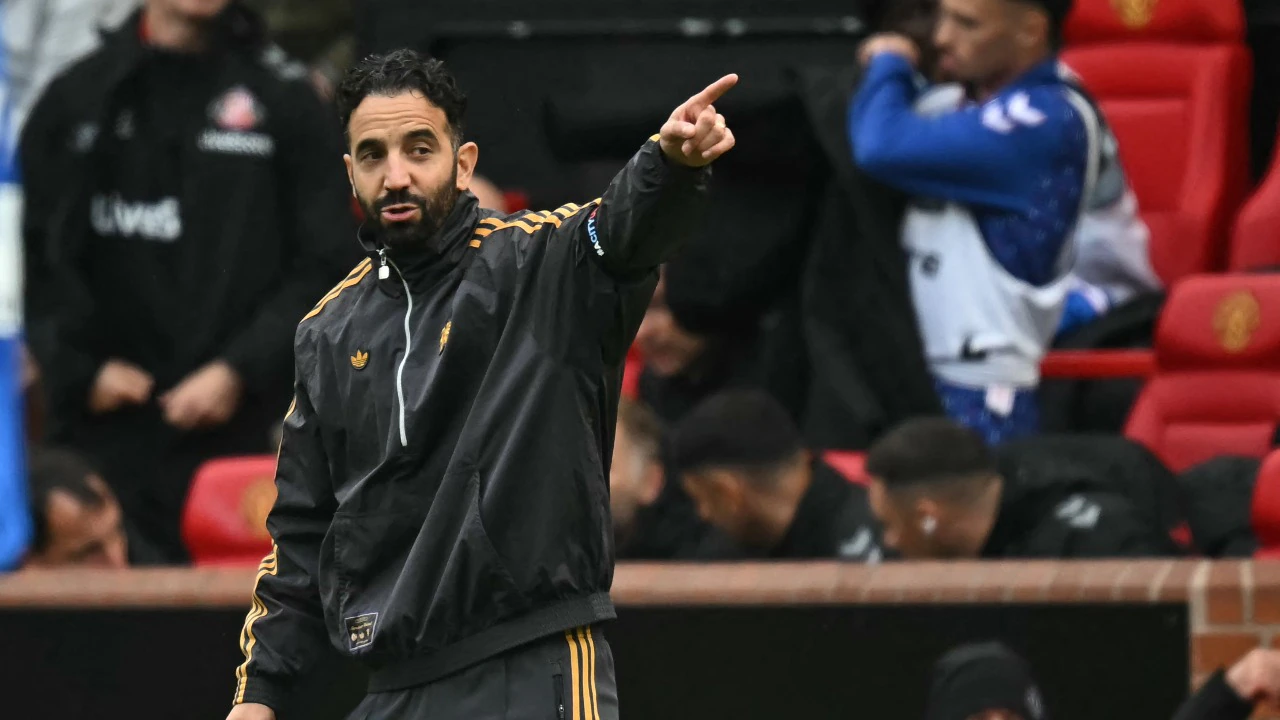
When Ruben Amorim became Manchester United’s manager last November, he was seen as the one to usher in a new age. Young and confident, he seemed to promise a fresh approach after years of difficulties. However, nearly a year into his tenure, his once-strong convictions are starting to feel rigid.
A recent 2-0 victory over Sunderland brought a hint of optimism, lifting the team to ninth place in the league. Yet, even this win does not hide the ongoing struggles. United appears to be lacking the rhythm and unity that fans fondly remember from the Ferguson era.
Amorim’s Tenure: A Mixed Bag
Ruben Amorim has become the first manager since Sir Alex Ferguson to oversee 50 games at the club. Unfortunately, he also holds the record for the poorest performance at this stage compared to his predecessors.
- Wins: 20
- Draws: 9
- Losses: 21
- Win Percentage: 40%
- Loss Percentage: 42%
In contrast, Erik ten Hag, Amorim’s predecessor, secured 35 wins in the same number of games. Ten Hag benefitted from a full pre-season and new signings, while Amorim took over mid-season with a team that was low on confidence and struggled to adapt to his favored system.
Despite spending around £200 million on new players, including Matheus Cunha and Benjamin Sesko, the chemistry within the team remains elusive. There were rumors that Amorim’s job could be in jeopardy if the team failed to defeat Sunderland, but this recent victory may have bought him some time.
A Long-Standing Issue
Michael Owen, speaking recently, commented that the challenges facing United go beyond just one manager or season. He stated, “I grew up watching Manchester United dominate, so I understand the frustrations.” This ongoing issue seems to be part of a cycle that has plagued the club since Ferguson’s departure, characterized by a series of managers, fresh ideas, and significant investments, yet little long-term progress.
Continuity in Strategy, Inconsistency in Results
Amorim’s preference for a specific formation offers some structure but has shown weaknesses in creativity. The team’s inconsistency, as evident from their draws and losses, suggests that success is shaped by more than just the manager’s choice of tactics.
Owen noted that despite numerous changes in management and player personnel, the results remain stagnant. He insists that for real change to occur, there needs to be a unified approach from everyone involved, from management down to the players.
Despite the issues, there is potential within the squad. Talented young players like Kobbie Mainoo and Amad Diallo showcase promising skills but have struggled this season to find their footing.
The Need for Patience
According to Owen, the current struggles are part of a natural cycle in football history. He compared the situation to that of Arsenal and Liverpool after their dominant eras, suggesting that quick fixes are unrealistic.
He remains hopeful, believing that Manchester United will find their way back to success eventually, although it might take a few years.
With a crucial match against Liverpool upcoming, this could be a defining moment for Amorim. A win could spark much-needed momentum, while a loss could further reopen old wounds.
United possesses strong players and a manager with a clear vision; what they desperately need is harmony. Until that cohesion is achieved, the echoes of the Ferguson era will linger, leaving the Red Devils to find a way to make their pieces fit together.
