
Remembering 9/11: Ongoing Health Challenges for Survivors
As we pause to remember the events of September 11, 2001, many who lived through that day still carry physical reminders in their daily lives.
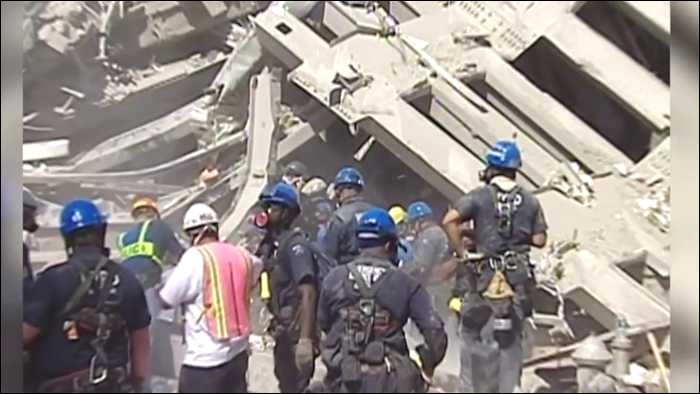
William Giammarino, a first responder at Ground Zero, shared his experience, saying, “It started with breathing difficulties and the need for inhalers, and it just got worse over time.”
According to the Centers for Disease Control and Prevention (CDC), around 400,000 people were exposed to harmful toxins in the days and months following the attacks. This exposure has been linked to both immediate and long-term health issues.
Among these issues are mental health conditions, such as post-traumatic stress disorder (PTSD), depression, and substance use disorders. There are also serious respiratory conditions like asthma and sleep apnea that many survivors face.
Perhaps most alarmingly, various types of cancer have been widely reported. This includes non-melanoma skin cancer, prostate cancer, and breast cancer. Dr. Jacqueline Moline, who leads the World Trade Center Health Program at Northwell Health, noted that over 50,000 cancer cases are now linked to the toxic exposures at Ground Zero. Alarmingly, this number has surged by 143% in just the last five years.
Currently, the World Trade Center Health Program has enrolled over 86,000 first responders and nearly 51,000 survivors. However, officials believe that many others who were affected by the events of 9/11 may still qualify to join the program.
If you think you might be eligible, you can find out more about the enrollment process online at the CDC’s website. The World Trade Center Health Program offers essential medical monitoring and treatment for health conditions recognized as related to the exposures from the attacks—all at no cost for those who meet the criteria.
As we remember this tragic day, it’s crucial to recognize the ongoing struggles faced by many individuals and families impacted by 9/11.
